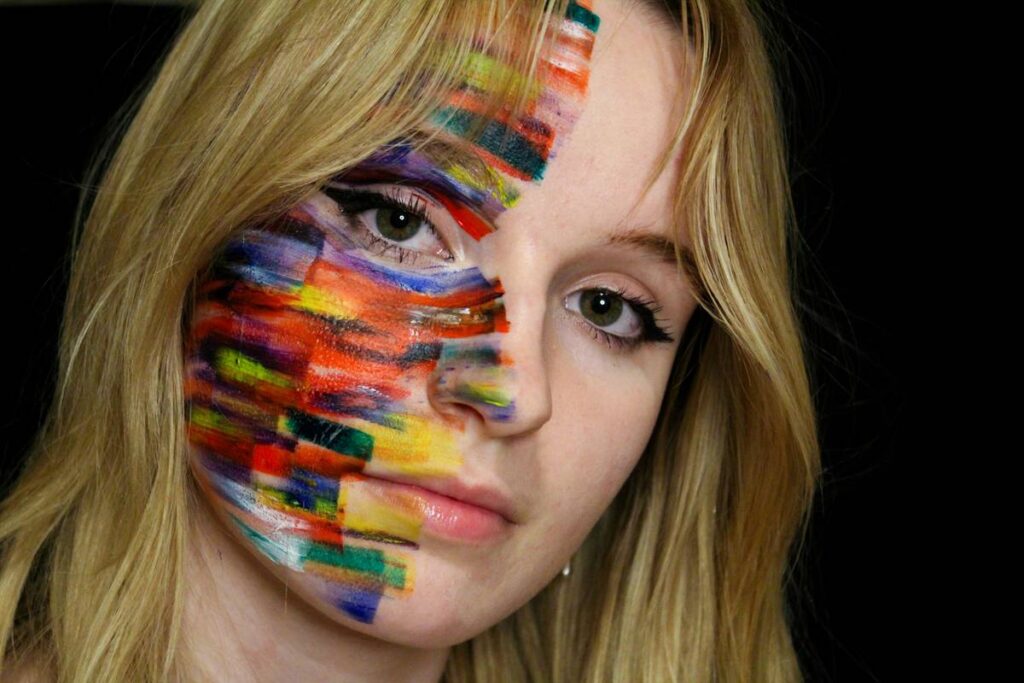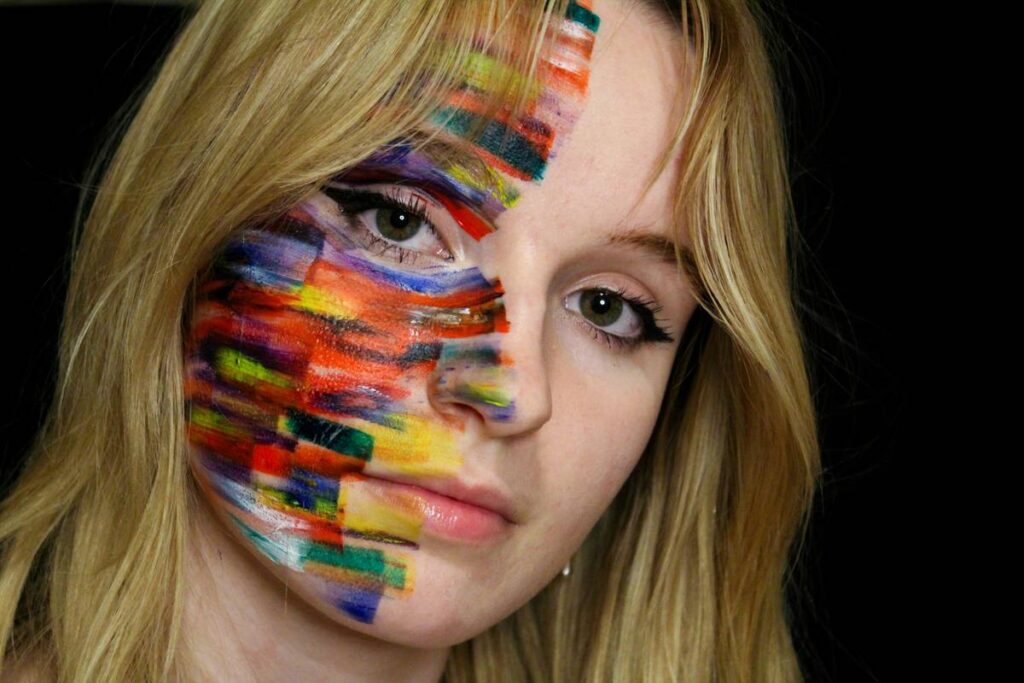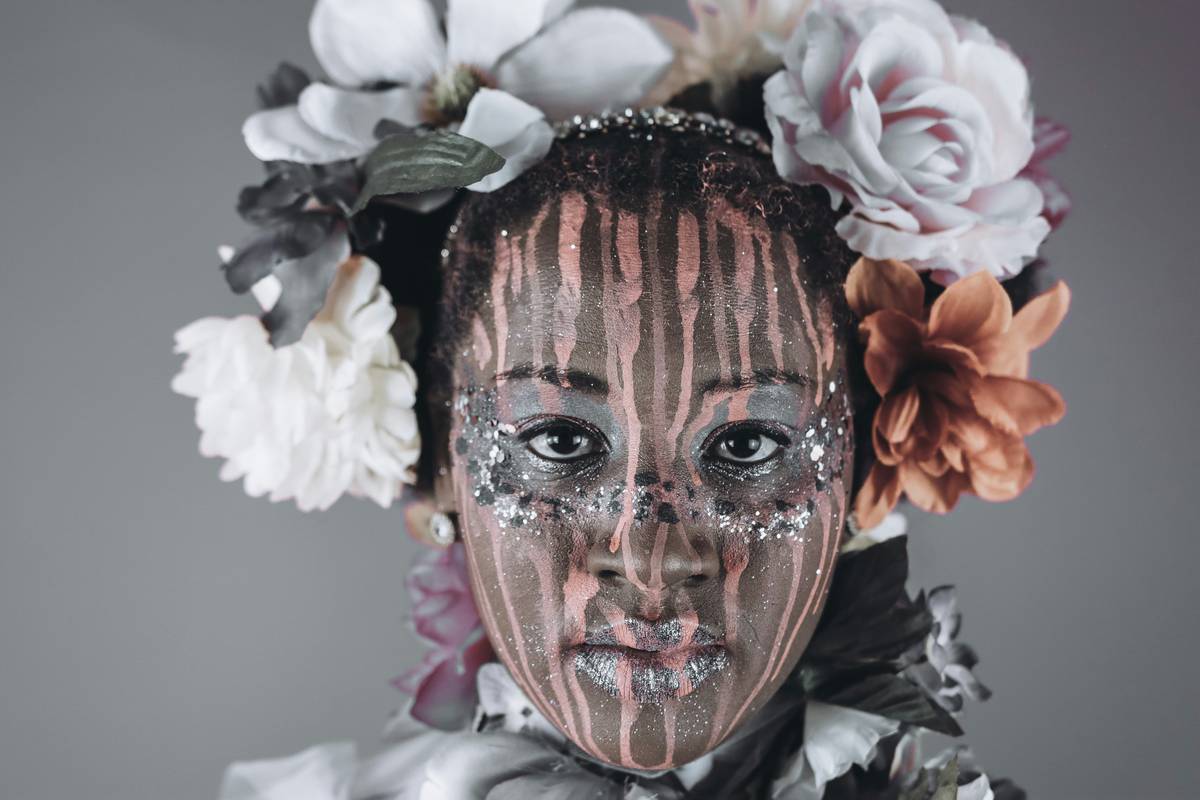
Ever stared at a runway photo and thought, “Is that makeup… or performance art?” You’re not alone. While everyday glam aims for enhancement, conceptual makeup obliterates the line between cosmetics and commentary. It doesn’t just accentuate—it interrogates, provokes, and transforms.
In this deep dive, we’ll unravel what conceptual makeup really means in today’s beauty landscape, how top artists wield it on international runways, and—crucially—how you can harness its principles without needing a backstage pass to Paris Fashion Week. You’ll walk away understanding: the philosophy driving this avant-garde niche, 4 essential techniques used by pros like Isamaya Ffrench and Kabuki, where to source unexpected materials (spoiler: your hardware store might help), and why slapping neon paint on your cheeks ≠ conceptual art (trust me—I’ve made that mistake).
Table of Contents
- What Exactly *Is* Conceptual Makeup?
- How to Create Conceptual Makeup That Communicates, Not Confuses
- 5 Pro Tips to Elevate Your Conceptual Makeup Game
- Real Runway Examples That Redefined Beauty
- FAQs About Conceptual Makeup
Key Takeaways
- Conceptual makeup prioritizes idea over aesthetics—it’s visual storytelling using skin as canvas.
- It’s rooted in fashion theory, often responding to social, political, or technological themes.
- Materials extend far beyond traditional cosmetics: silicone, metal leaf, thermochromic pigment, even 3D-printed elements.
- Beginner-friendly entry points exist—start with symbolic color palettes or texture play before diving into full prosthetics.
- Misusing the term “conceptual” for anything bold or colorful dilutes its artistic integrity (more on this later).
What Exactly Is Conceptual Makeup?
Let’s cut through the glitter: conceptual makeup isn’t just “weird” makeup. It’s makeup with a thesis statement.
Unlike editorial or bridal makeup—which enhances natural features—conceptual makeup uses the face as a site of discourse. Think of it as wearable philosophy. According to Dr. Joanne Entwistle, author of The Fashioned Body, “The body in fashion is never neutral; it’s always coded with meaning.” Conceptual makeup amplifies that coding intentionally.
I learned this the hard way during my first experimental shoot. Fresh out of makeup school, I layered iridescent gel over cracked latex, thinking “texture = concept.” My model looked like she’d survived a chemical spill—not exactly the commentary on climate anxiety I’d envisioned. The feedback? “Visually arresting, but where’s the why?” Ouch. But accurate.
True conceptual work answers: What are you saying? To whom? And why use makeup—not sculpture, not photography—to say it?
How to Create Conceptual Makeup That Communicates, Not Confuses
Creating meaningful conceptual makeup isn’t about shock value—it’s about resonance. Here’s how the pros structure their process:
Step 1: Start With a Question, Not a Product
Ask: “What idea haunts me right now?” Maybe it’s digital identity erosion, gender fluidity, or the illusion of wellness culture. Once you have your core question, everything flows from there. For Alexander McQueen’s Fall 2010 show, makeup artist Peter Philips explored mortality using pale foundation, bruise-like contouring, and teardrop crystals—a direct response to McQueen’s grief after his mother’s passing.
Step 2: Choose Materials That Extend the Metaphor
If your theme is “fragility,” don’t just use light powders—consider shattered mica sheets or dissolving sugar appliqués. For her 2023 Vogue editorial on AI anxiety, Isamaya Ffrench embedded micro-circuit patterns using conductive ink. The material is the message.
Step 3: Collaborate Beyond the Mirror
Conceptual makeup rarely lives in isolation. It dialogues with hair, costume, lighting, and movement. At Iris van Herpen’s 2022 haute couture show, models’ faces were partially obscured by translucent resin masks—makeup was strategically placed only where skin peeked through, emphasizing absence as much as presence.
Step 4: Test for Emotional Impact, Not Just Aesthetics
Show your test shots to someone unfamiliar with your concept. Ask: “What feeling does this evoke? What story do you imagine?” If they say “cool colors” instead of “alienation in hyperconnectivity,” revisit Step 1.
5 Pro Tips to Elevate Your Conceptual Makeup Game
- Ditch the brush sometimes. Sponges, credit cards, syringes, or even your fingers can create textures that communicate rawness or precision better than a fluffy dome.
- Master negative space. What you don’t cover speaks volumes. Clean skin next to chaotic pigment suggests duality—perfection vs. chaos, control vs. surrender.
- Study non-beauty references. Architecture, glitch art, microbiology slides—these fuel richer concepts than scrolling Instagram reels.
- Document your process rigorously. Conceptual work loses impact if the backstory isn’t shared. Shoot mood boards, material tests, and sketches alongside final looks.
- Know when to stop. Overloading symbols creates noise, not narrative. One strong gesture > five competing ones.
Optimist You: “These tips will unlock your inner visionary!”
Grumpy You: “Ugh, fine—but only if I can nap afterward. My eyelids are still recovering from that liquid latex incident.”
⚠️ Terrible Tip Disclaimer
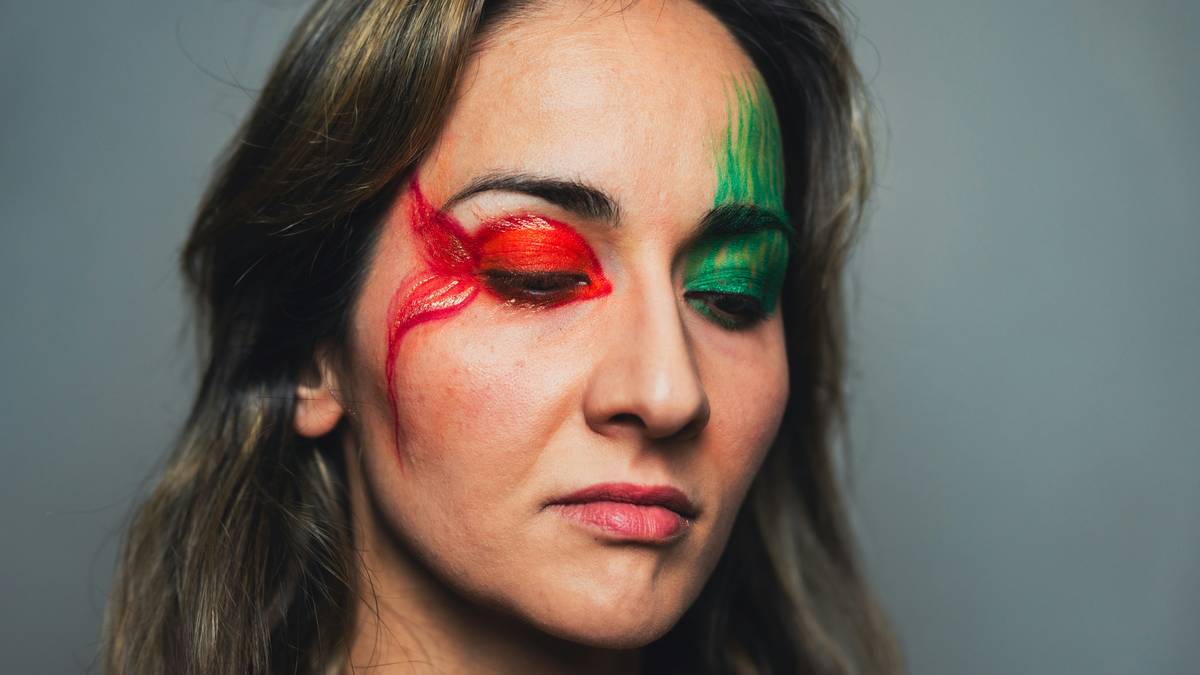
“Just buy bold pigments and go wild!” — Nope. Without intention, it’s costume, not concept. Bold ≠ conceptual. Please stop calling your rainbow cut crease “avant-garde.” It’s pretty. It’s skilled. But unless it’s interrogating chromatic colonialism or something equally specific… it’s not conceptual.
Rant Section: My Biggest Pet Peeve
When influencers slap “#conceptualmakeup” on any look with unusual color placement. Listen: naming your blue eyeliner “deconstructed femininity” doesn’t make it so. Conceptual work requires intellectual labor—not just aesthetic risk. It’s the difference between wearing a protest sign and making one.
Real Runway Examples That Redefined Beauty
Comme des Garçons SS 1995 (“Body Meets Dress, Dress Meets Body”)
Pat McGrath used flesh-toned prosthetics to distort facial symmetry, challenging Western beauty norms long before “body positivity” entered mainstream lexicon. This wasn’t decoration—it was deconstruction.
Schiaparelli Haute Couture Spring 2023
Makeup artist Aaron de Mey created gilded tears and molten gold drips using custom-formulated metallic waxes. The collection critiqued opulence and grief in equal measure—inspired by surrealist Elsa Schiaparelli’s own emotional archives.
Junya Watanabe MAN SS 2022
Models wore fragmented mirror shards adhered to brows and cheekbones, reflecting audience members back at themselves. The concept? Surveillance culture and fractured self-perception. No foundation, no blending—just sharp, literal reflection.
These weren’t random experiments. Each responded to cultural moments with precision and courage.
FAQs About Conceptual Makeup
Is conceptual makeup wearable in real life?
Not usually—and that’s not the point. Its power lies in provocation, not practicality. However, you can adapt its principles: using a single symbolic element (e.g., a red streak for rage) in daily life.
Do I need professional training?
No—but you do need curiosity. Many conceptual artists come from fine arts, theater, or design backgrounds. Technical skill supports the idea; it doesn’t replace it.
Where can I see more conceptual makeup?
Follow artists like Isamaya Ffrench, Kabuki, and Aaron de Mey. Also explore Beauty Papers magazine and the MET’s Costume Institute archives.
Can men or non-binary people do conceptual makeup?
Absolutely. Gender has never limited conceptual expression. In fact, many groundbreaking looks (like those on Rick Owens’ male models) deliberately blur gendered expectations of adornment.
Conclusion
Conceptual makeup isn’t about looking “different”—it’s about thinking differently. It transforms the face from a passive surface into an active voice. Whether you’re a working artist or an enthusiast experimenting in your bathroom, remember: the most powerful looks begin not with a palette, but with a question.
So next time you reach for your eyeshadow, ask: What do I want this color to say? Because in the world of conceptual makeup, silence isn’t golden—it’s just unused potential.
Like a Tamagotchi, your creativity needs daily feeding. Neglect it, and your ideas starve.
cracked skin, wired thoughts—
the mirror asks: who are you?
I answer in pigment.