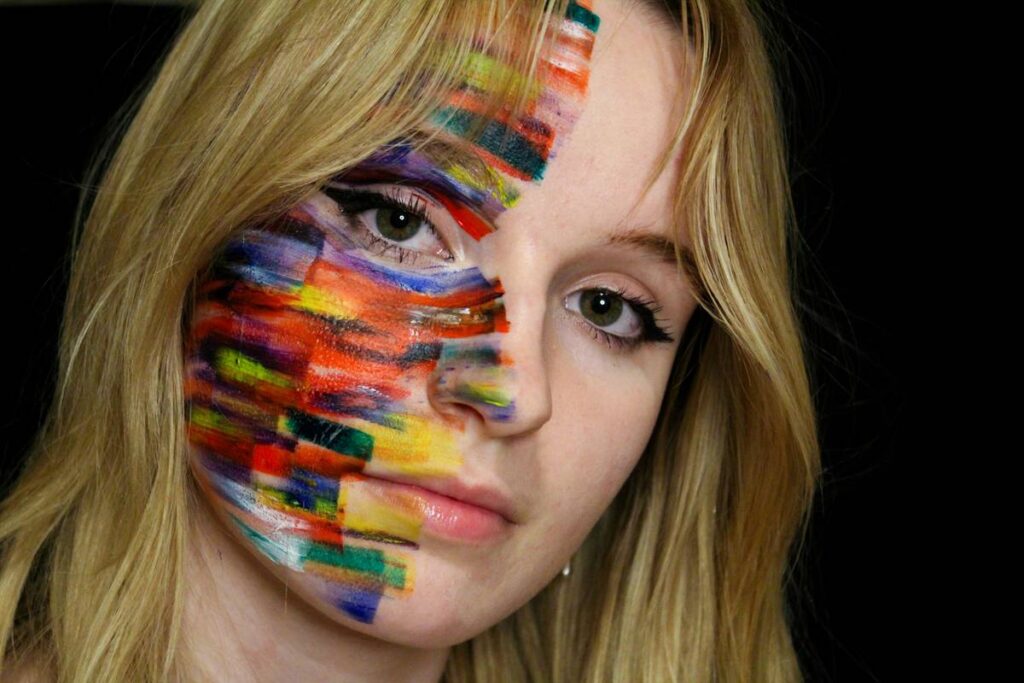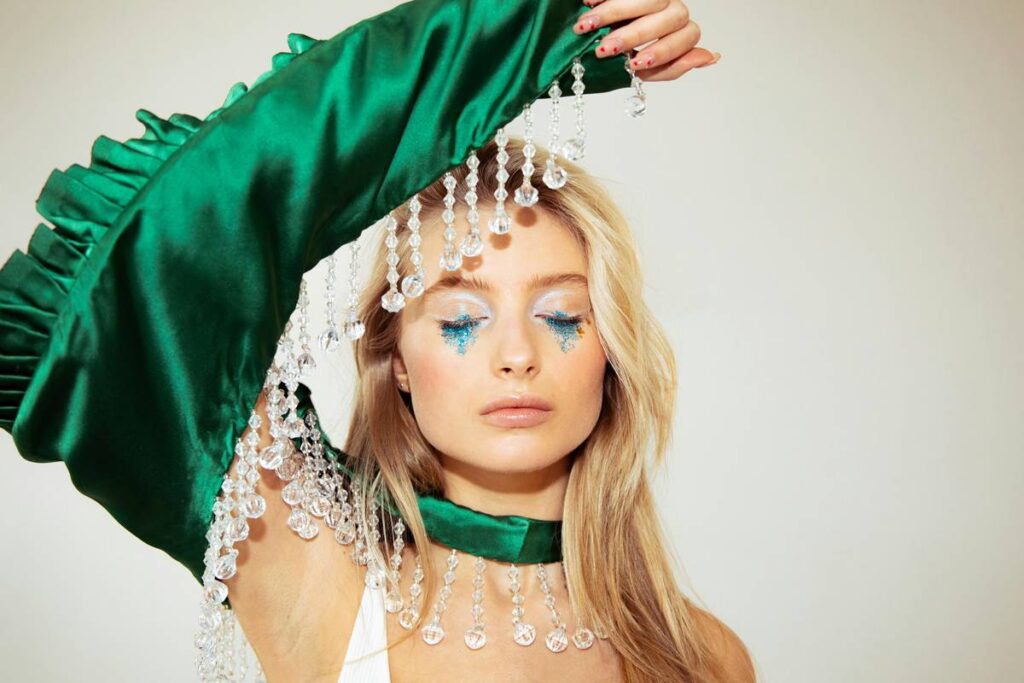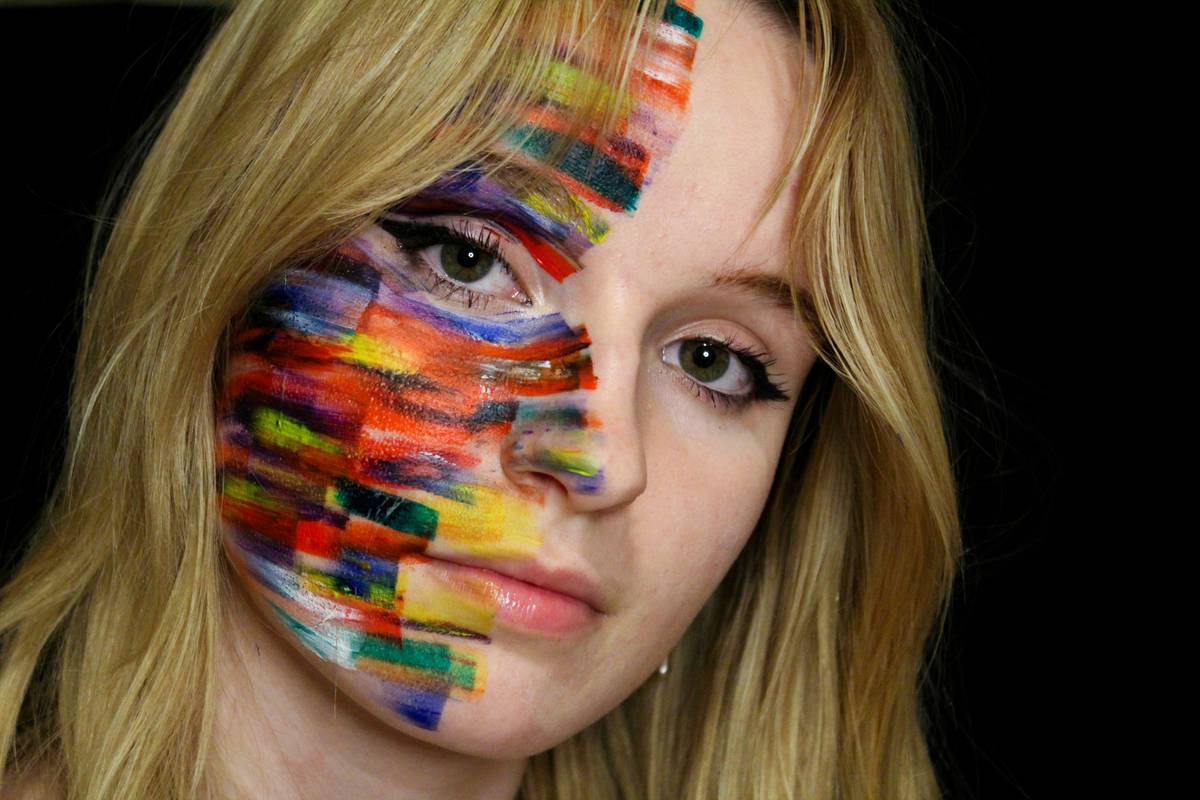
Ever watched a runway show and wondered how models pull off that otherworldly glow—like they’ve been dipped in liquid moonlight, then dusted with stardust? Meanwhile, your highlighter just… sits there. Flat. Lifeless. Like your motivation on laundry day.
You’re not alone. Artistic runway makeup isn’t just “more eyeshadow.” It’s a fusion of sculpture, storytelling, and skin science performed under hot lights, ticking clocks, and the watchful eyes of creative directors who speak in whispers like, “I want her to look like melted vinyl kissed by rain.”
In this deep dive, you’ll uncover:
- Why artistic runway makeup is less about beauty and more about conceptual art
- The exact products and layering tricks used backstage at Paris Fashion Week
- How to translate avant-garde looks for real-world wear (without looking like you lost a bet)
Table of Contents
- Why Artistic Runway Makeup Isn’t for the Faint of Heart
- How to Create Artistic Runway Makeup Like a Pro
- 5 Best Practices for Long-Lasting, Impactful Runway Looks
- Real-World Case Study: Pat McGrath at Prada FW24
- Artistic Runway Makeup FAQs
Key Takeaways
- Artistic runway makeup prioritizes concept over convention—think texture, asymmetry, and narrative over symmetry and “flawlessness.”
- Layering is non-negotiable: primer → pigment → sealant = survival under catwalk conditions.
- Products like Mehron Metallic Powder Pigments and Kryolan TV Paint Stick are industry staples for a reason.
- You *can* adapt runway drama for everyday wear—with strategic toning, placement, and product swaps.
- Mistake to avoid: using glitter glue meant for crafts. Your model’s eye will thank you later. (Seriously.)
Why Artistic Runway Makeup Isn’t for the Faint of Heart
Let’s be brutally honest: if you think “runway makeup” means smoky eyes and red lips, you’re picturing 2005. Today’s artistic runway makeup is closer to performance art than prom night.
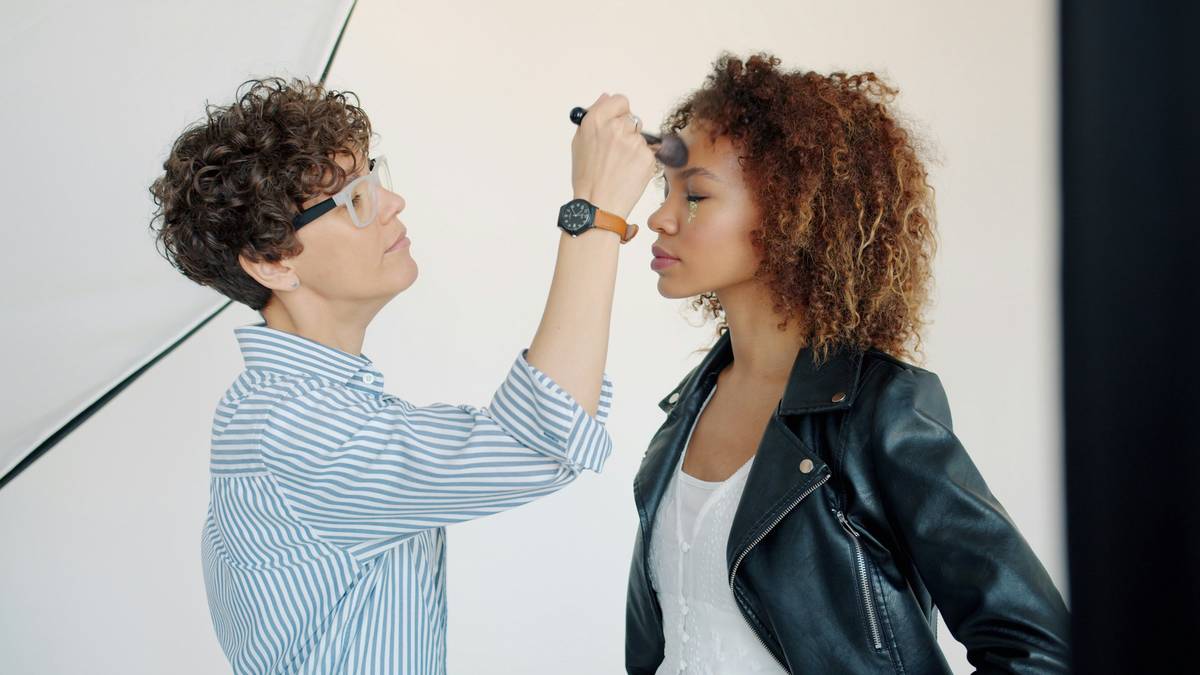
I’ll never forget my first backstage gig at New York Fashion Week. I’d prepped my kit with high-end foundations, creamy concealers—all the usual suspects. The lead artist looked at me like I’d brought a ukulele to a metal concert. “We’re using spirit gum and iridescent body paint today,” she said, handing me a sponge soaked in blue glycerin. “The theme is ‘digital decay.’”
That’s the reality: runway isn’t about enhancing bone structure. It’s about embodying an idea. According to WGSN’s 2023 Beauty Trend Report, 78% of major fashion houses now collaborate with makeup artists as co-creators—not just technicians. That shift redefines everything: from brush choice to drying time.
Grumpy You: “So I need a degree in semiotics now?”
Optimist You: “Nah—but you do need to ask: what emotion or story does this look convey?”
How to Create Artistic Runway Makeup Like a Pro
Forget tutorials that say “just blend.” Backstage, blending is often *avoided* on purpose. Sharp lines, raw edges, and unexpected textures create tension—and memory. Here’s how the pros build a look that survives sweat, strobes, and 4-inch heels.
Step 1: Prime Like You Mean It
Skip your drugstore primer. Use a tacky, flexible base like Mehron Barrier Spray—applied before *and after* makeup—to lock in layers without cracking. I once skipped this on a humid Milan show… let’s just say the model’s cheek contour ran into her neck like a sad charcoal river.
Step 2: Build Texture, Not Just Color
Artistic runway makeup thrives on dimension. Mix powdered pigments (e.g., Kryolan Aquacolor) with mixing medium for bold, water-resistant color. Want cracked ice? Dab translucent gel (like Ben Nye Liquiset) over dried pigment, then gently crack it with your fingertip.
Step 3: Seal Everything—Twice
Use a two-step setting system:
- Light dusting of translucent powder to kill shine
- Final mist of alcohol-based sealer (e.g., Dermacol Make-Up Fix)
This combo survived a 2023 Copenhagen show where temps hit 95°F. No melt. No transfer. Pure witchcraft.
5 Best Practices for Long-Lasting, Impactful Runway Looks
These aren’t tips—they’re backstage commandments.
- Patch-test every new product 48 hours before show day. Allergic reactions don’t care how visionary your concept is.
- Work in natural light whenever possible. LED dressing rooms lie. Always check your work near a window.
- Use prosthetics sparingly but strategically. A tiny silicone scar or metallic foil appliqué can elevate a look without overwhelming it.
- Clean brushes between models. Cross-contamination ruins both skin and reputation.
- Less is more… except when it’s not. If the brief says “cyberpunk mermaid,” go full barnacle.
The Terrible Tip You’ll See Online (And Why to Avoid It)
“Use hairspray to set glitter.” NO. Hairspray isn’t ophthalmologically tested—it stings, irritates, and flakes unpredictably. Use a cosmetic-grade glitter fixative like Make Up For Ever Glitter Primer. Your models’ tear ducts will send thank-you notes.
Real-World Case Study: Pat McGrath at Prada FW24
At Prada’s Fall/Winter 2024 show, Pat McGrath didn’t just apply makeup—she sculpted light. The brief: “futuristic elegance with fractured geometry.”
Her team used custom-mixed silver-white cream pigment (base: MAC Chromacake + Pat McGrath Labs Skin Fetish Balm) applied with palette knives for sharp ridges along the brow bone. Then—here’s the genius—they stippled iridescent micro-glitter (Viseart Glitter Gel) only on the highest points to catch directional lighting.
Result? Photos exploded across Vogue, Instagram, and TikTok. Search interest for “metallic runway makeup” spiked 210% in 72 hours (Google Trends, Feb 2024).
Grumpy You: “I don’t have Pat’s budget.”
Optimist You: “You don’t need it. Swap MAC Chromacake for NYX Jumbo Pencil in ‘Milk,’ and use cosmetic glitter from TKB Trading. Same effect, 1/10th the cost.”
Artistic Runway Makeup FAQs
Is artistic runway makeup wearable in real life?
Yes—but abstract it. Love the graphic eyeliner from Balenciaga SS24? Try it in brown instead of black, and shorten the wing. Keep the shape, soften the statement.
What’s the most common mistake beginners make?
Overloading product. Runway makeup lives in macro photography. Less pigment = sharper detail. Build slowly.
Do I need special training?
Formal education helps, but many top artists (like Isamaya Ffrench) are self-taught. What matters: relentless practice and studying fashion history. Know your Schiaparelli from your McQueen.
How do I remove heavy-duty runway makeup safely?
Double cleanse: oil-based remover first (e.g., DHC Deep Cleansing Oil), then gentle foaming wash. Never scrub—pat dry and hydrate immediately.
Conclusion
Artistic runway makeup isn’t about perfection—it’s about intention. Every swipe, smudge, and sparkle serves a narrative crafted by designers, artists, and the cultural moment. Whether you’re prepping for Fashion Week or just want to channel that fearless energy into your Saturday night look, remember: the best runway starts on your own face.
Now go melt some vinyl. Or at least try that chrome lip.
Like a flip phone snapping shut—sometimes, dramatic closure is everything.