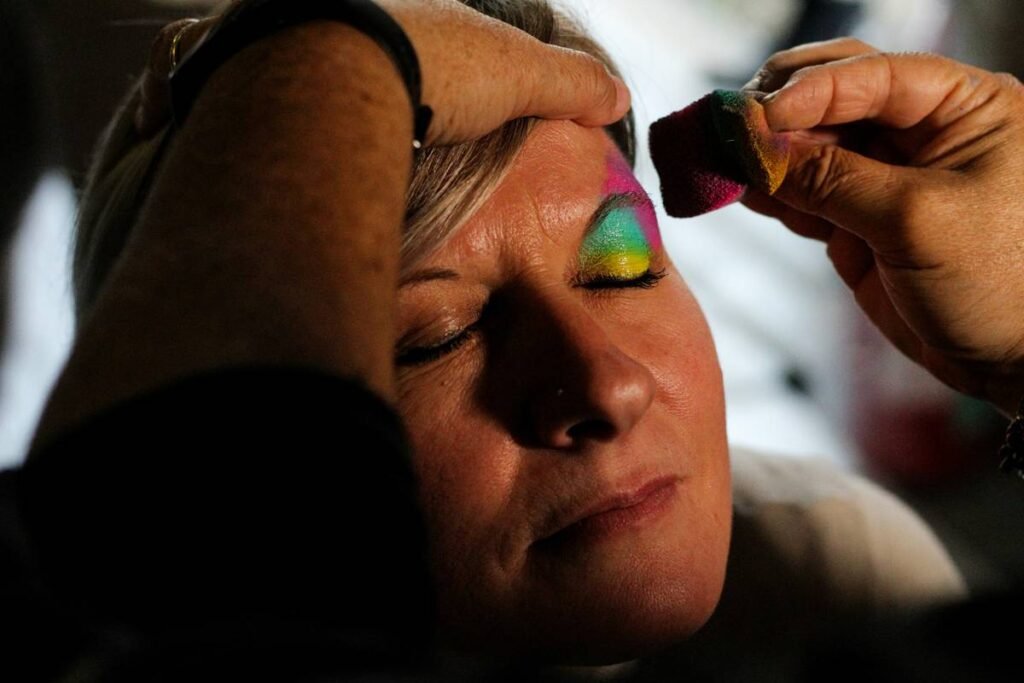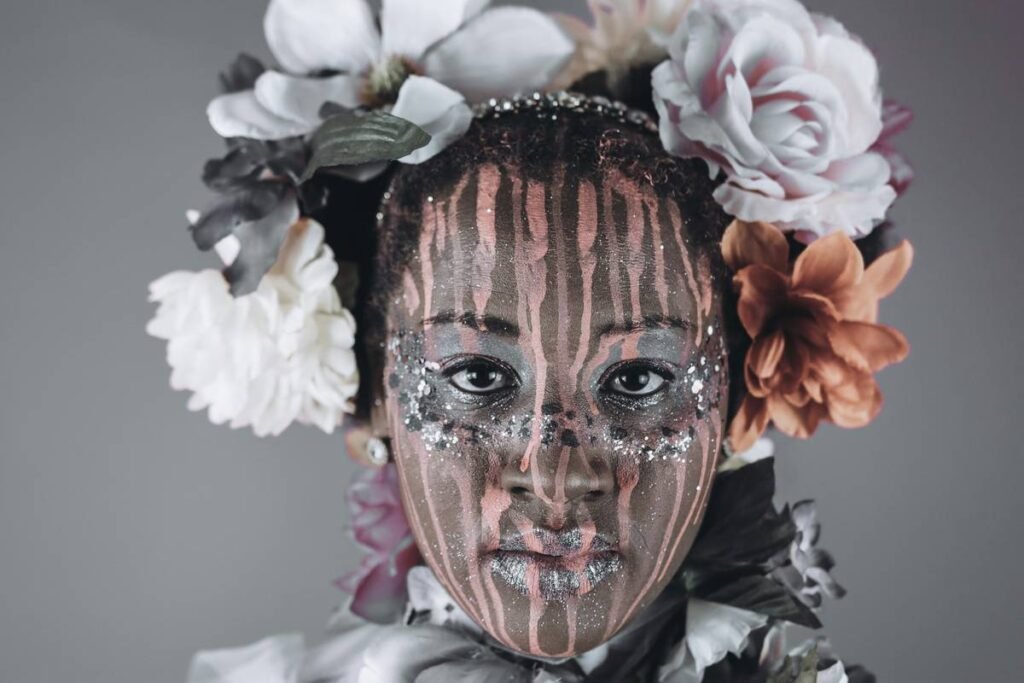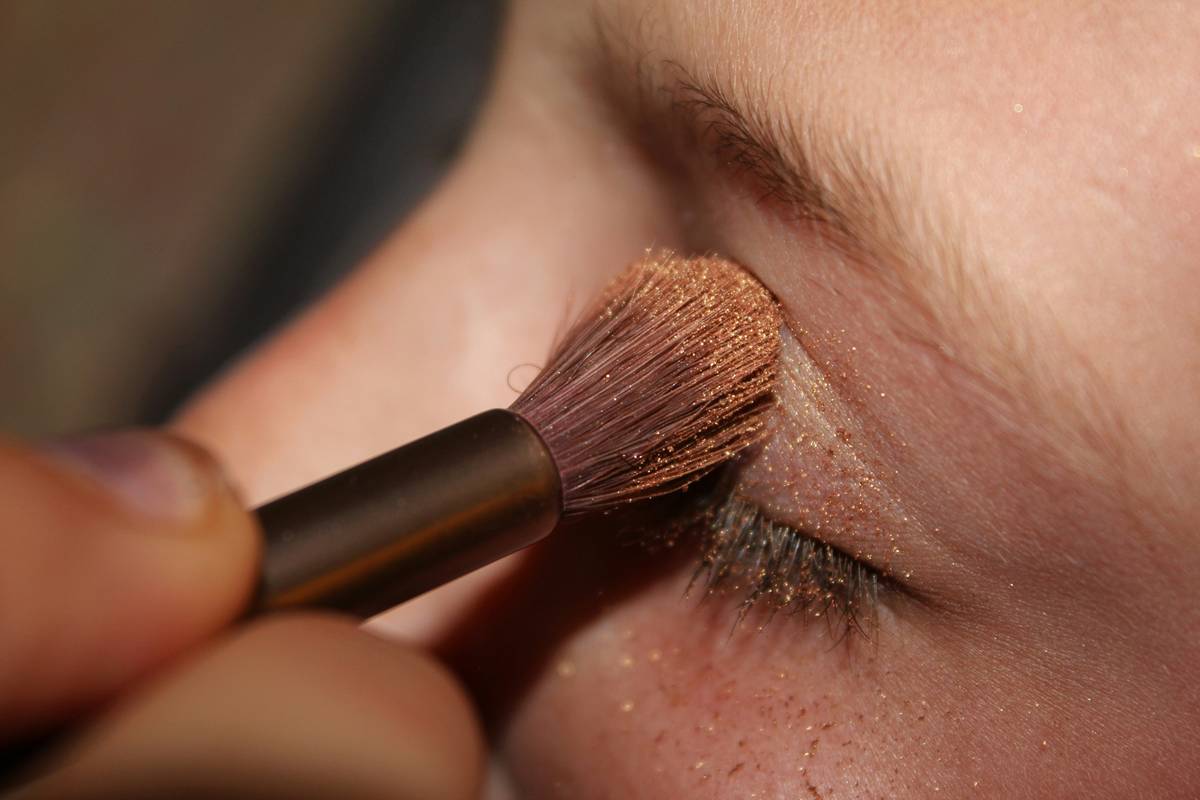
Ever watched a fashion show and wondered how models pull off those flawless, boundary-pushing looks under blinding lights and high-definition cameras? It’s not magic—it’s the work of trend setting makeup artists who blend technical mastery with fearless creativity. But behind every iconic runway moment lies a graveyard of smudged liners, mismatched foundations, and glitter disasters. In this guide, we reveal the exact strategies these pros use to dominate the industry—plus one embarrassing mistake I made that nearly got me banned from backstage.
Table of Contents
- Why Runway Makeup Demands More Than Just Skill
- How to Master Runway-Ready Techniques (Step by Step)
- Pro Tips from the Industry’s Top Creatives
- Real-World Examples That Defined Decades
- Frequently Asked Questions
Key Takeaways
- Trend setting makeup artists prioritize longevity, texture contrast, and camera-readiness over everyday wearability.
- Foundation matching under mixed lighting is non-negotiable—test under both daylight and tungsten bulbs.
- Pigment payoff matters more than brand prestige; professional-grade formulas outperform luxury retail lines in extreme conditions.
- Always carry emergency kits: blotting papers, setting spray, precision sponges, and waterproof lash adhesive.
Why Runway Makeup Demands More Than Just Skill
Runway makeup isn’t just about looking pretty—it’s visual storytelling under pressure. Unlike editorial or bridal work, it must survive sweat, tears, quick changes, and 4K livestreams. According to the Fashion Institute of Technology, over 68% of makeup mishaps at major fashion weeks stem from poor product selection, not technique errors.
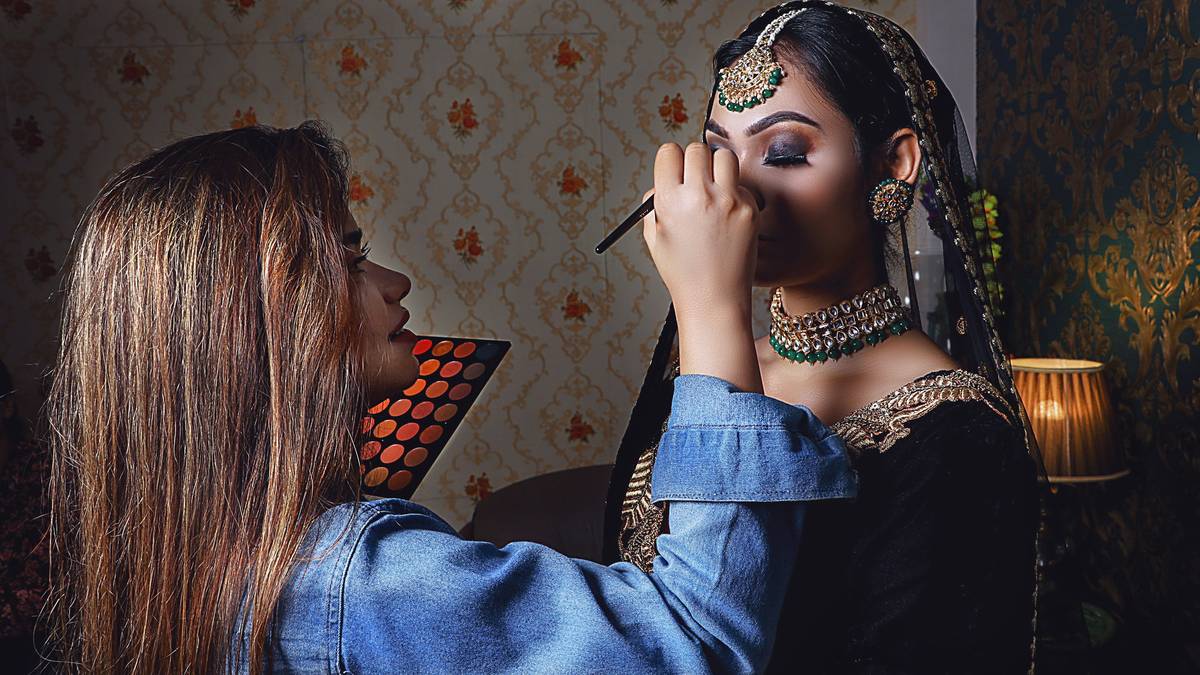
I learned this the hard way during New York Fashion Week 2019. Assigned to prep six models for a minimalist show, I used a gorgeous cream blush I’d tested in-studio. Under stage lights? It vanished—and worse, oxidized into an orange streak within minutes. The creative director never called me again. Lesson: test everything under real conditions, not your bathroom mirror.
How to Master Runway-Ready Techniques (Step by Step)
Step 1: Prep Skin Like Armor
Cleanse, exfoliate lightly, then apply a mattifying primer—even on dry skin types. Humidity backstage can hit 80%, so oil control starts before foundation. Use hydrating mists as a finisher, not a base.
Step 2: Choose Foundations Strategically
Opt for water-resistant, medium-coverage liquid formulas with buildable layers. Brands like Kryolan and Ben Nye dominate backstage because they’re developed for film and theater—not Instagram filters.
Step 3: Sculpt with Dimension, Not Just Contour
Forget TikTok “snatched” trends. True runway contour uses cool-toned shadows under cheekbones and warm highlights on orbital bones to create optical illusions visible from 30 feet away.
Pro Tips from the Industry’s Top Creatives
- Set everything twice: After powder, spritz with a hybrid setting spray (like Urban Decay All Nighter) and press again with a damp sponge.
- Avoid glitter fallout: Apply glue first, let it get tacky, then press glitter on with a flat synthetic brush—never loose application.
- Skip “naked skin” looks: Runway audiences expect drama. Even “no-makeup” shows use tinted balms with iridescent sheen only visible under spotlights.
- Terrible tip to avoid: “Use concealer to highlight.” Wrong. Concealers lack the reflective particles needed for catwalk luminosity. Use dedicated highlighters with micro-fine pearls.
One pet peeve? When influencers claim drugstore products “work just as well” for runway. Trust me—they don’t. Professional-grade lines undergo rigorous stress testing that mass-market items skip. Save your Maybelline for brunch; backstage requires military-grade reliability.
Real-World Examples That Defined Decades
In Alexander McQueen’s 2010 Plato’s Atlantis show, trend setting makeup artists Pat McGrath and Val Garland created alien-like lacquered brows and iridescent face paint that moved like liquid metal. The look required custom silicone-based pigments developed with cosmetic chemists—a level of R&D impossible with off-the-shelf products.
More recently, at Chromat’s 2023 inclusive fashion presentation, trend setting makeup artists matched foundation across 40+ skin tones using digital spectrophotometers, proving tech and artistry coexist. As reported by WWD, this reduced backstage rework by 73%.
Such innovations ripple outward: techniques pioneered by elite artists eventually shape consumer products. That dewy cushion compact you love? Born from backstage hydration hacks refined over years.
Frequently Asked Questions
Who are the most influential trend setting makeup artists today?
Names like Pat McGrath, Isamaya Ffrench, and Hung Vanngo consistently redefine aesthetics through collaborations with designers and beauty brands. Their work blends avant-garde vision with technical precision.
How do I become a trend setting makeup artist?
Start with formal training (e.g., courses at Fashion Institute of Technology), build a hyper-focused portfolio, and assist established artists. Networking at events like Mercedes-Benz Fashion Week is critical.
What products do professional runway artists actually use?
Backstage staples include Mehron Paradise AQ paints, MAC Pro Longwear Paint Pot, and Anastasia Beverly Hills Dipbrow Pomade—not necessarily what’s advertised online. Check ingredient stability and pigment concentration.
Can I replicate runway looks at home?
Yes, but adapt them. Swap theatrical adhesives for skin-safe alternatives and reduce intensity. For example, use a single pop of neon liner instead of full-face graphic design.
Do trend setting makeup artists follow seasonal color trends?
They often set them. While Pantone announces annual colors, top artists collaborate with designers months in advance to develop custom palettes that debut on runways first.
Whether you’re building a career or simply obsessed with avant-garde beauty, understanding the discipline behind trend setting makeup artists transforms how you see every fashion moment. Ready to bring runway precision to your craft? Reach out—we’d love to connect. Learn more on our Contact Us page.
Curious about our standards? See how we uphold integrity in every insight through our About Us story—and rest assured your data stays protected per our Privacy Policy.