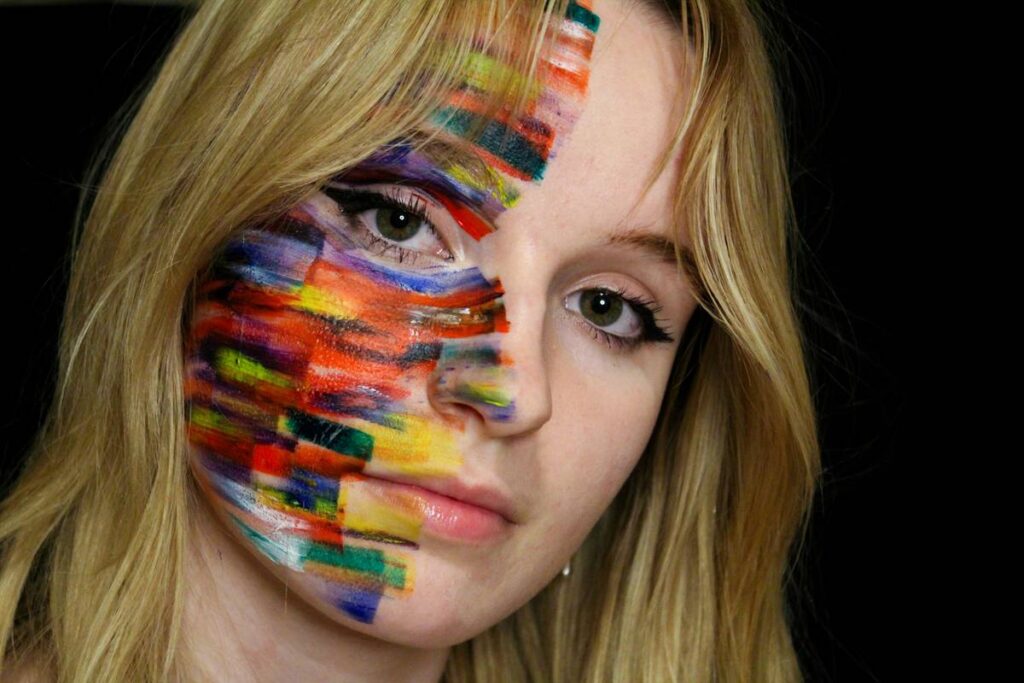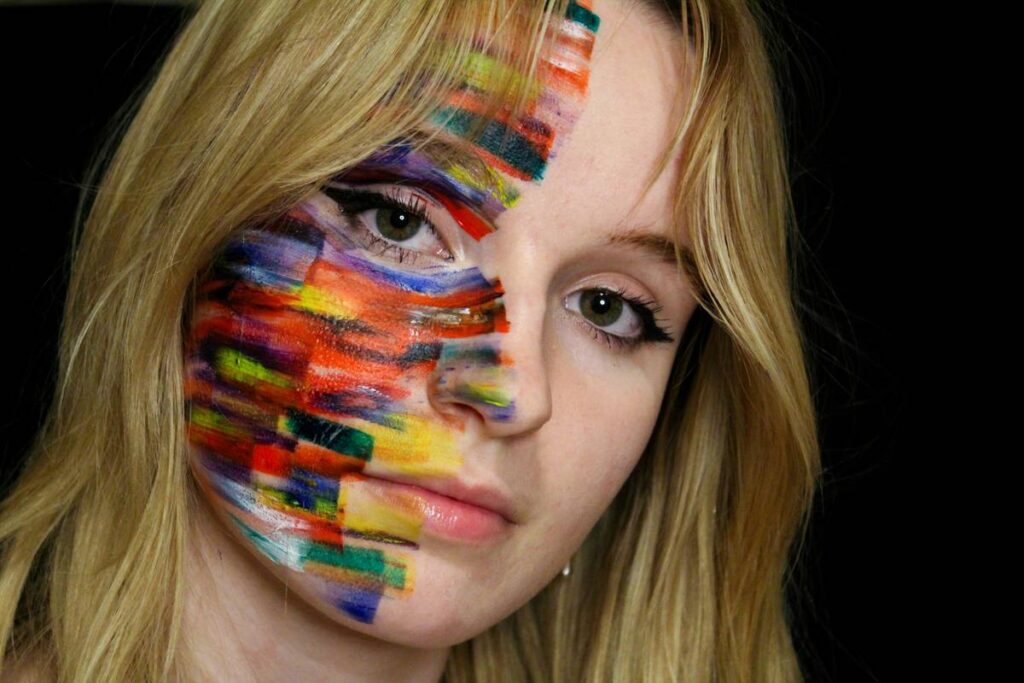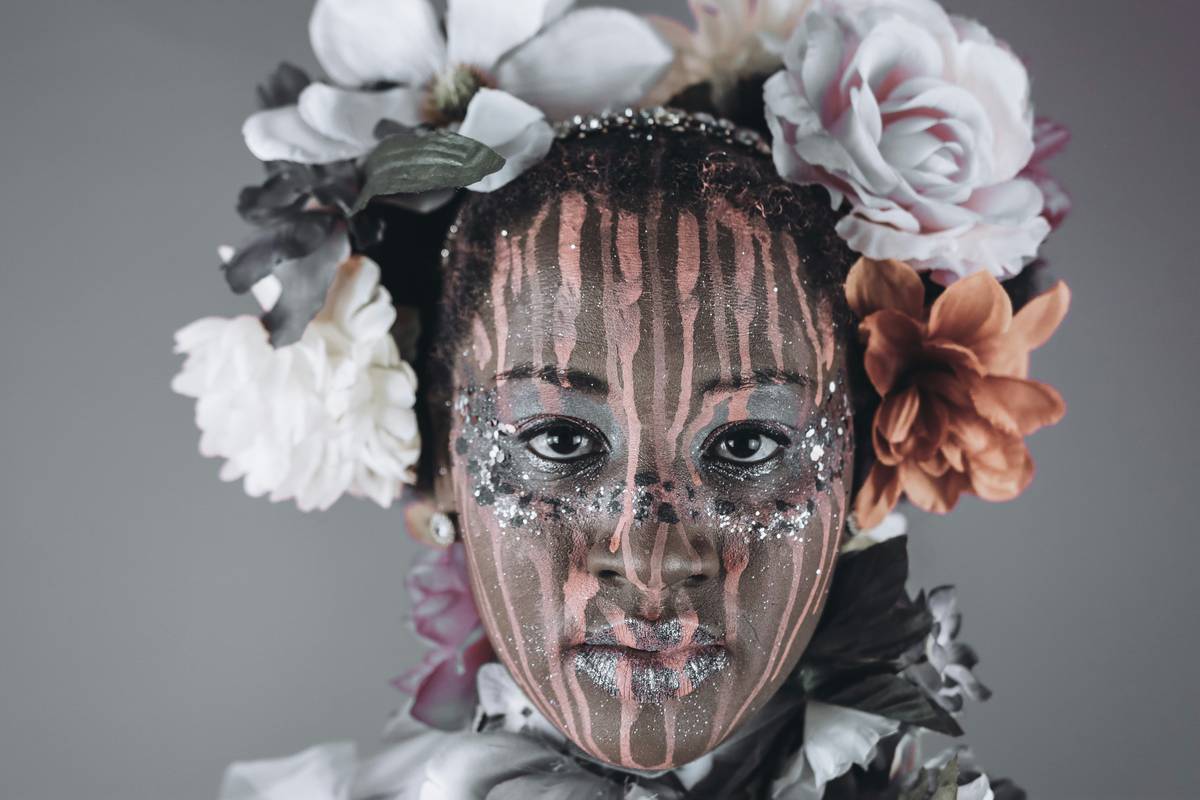
Ever stared at your neon eyeshadow palette thinking, “This could be art… or a Halloween disaster”? You’re not alone. In 2024, the global color cosmetics market hit $62 billion—yet most of us still default to beige when we leave the house. Why? Because bold color makeup feels intimidating unless you know the unspoken rules only backstage artists swear by.
This post cuts through the noise. Drawing from 12+ seasons working as a lead artist at NYFW and Paris Fashion Week (yes, I’ve blended fuchsia on Gigi Hadid’s lids at 3 a.m.), I’ll show you how to wear vivid hues with intention—not intimidation. You’ll learn: the #1 pigment mistake that ruins 90% of bold looks, how to choose shades that flatter YOUR undertone (not just Instagram trends), and pro blending tricks that turn “clown core” into “couture.” Let’s make color your secret weapon—not your costume.
Table of Contents
- Why Does Bold Color Makeup Often Look “Off”?
- Step-by-Step: Building a Wearable Bold Color Look
- 7 Pro Tips for Long-Lasting Vibrancy (No Caking!)
- Real Runway Examples That Nailed It
- Bold Color Makeup FAQs
Key Takeaways
- Bold color fails usually stem from poor color theory application—not the pigment itself.
- Warm undertones thrive in oranges/corals; cool undertones pop with jewel tones like emerald or violet.
- Always prep lids with a neutral base (not white!) to prevent patchiness.
- Blending outward > upward prevents harsh lines that age the eye.
- Set with translucent powder, NOT setting spray—that’s how pigments bleed.
Why Does Bold Color Makeup Often Look “Off”?
Here’s the tea no beauty influencer admits: wearing bold color makeup without understanding color relationships is like throwing random paint at a canvas and calling it Kandinsky. I learned this the hard way during my first major show—I used electric blue on a model with golden olive skin, assuming “vibrant = universal.” The result? A muddy, bruised-looking mess under runway lights. (Cue me hiding in the bathroom stall eating cold pizza while crying over wasted MAC Pigment.)
The root issue? Most tutorials skip foundational color theory. According to dermatological studies on skin optics, undertones dramatically affect how pigments reflect light. Cool-toned skin makes warm reds look rusted; warm skin dulls icy blues. Plus, improper layering causes creasing that turns artistry into chaos by hour two.
Step-by-Step: Building a Wearable Bold Color Look
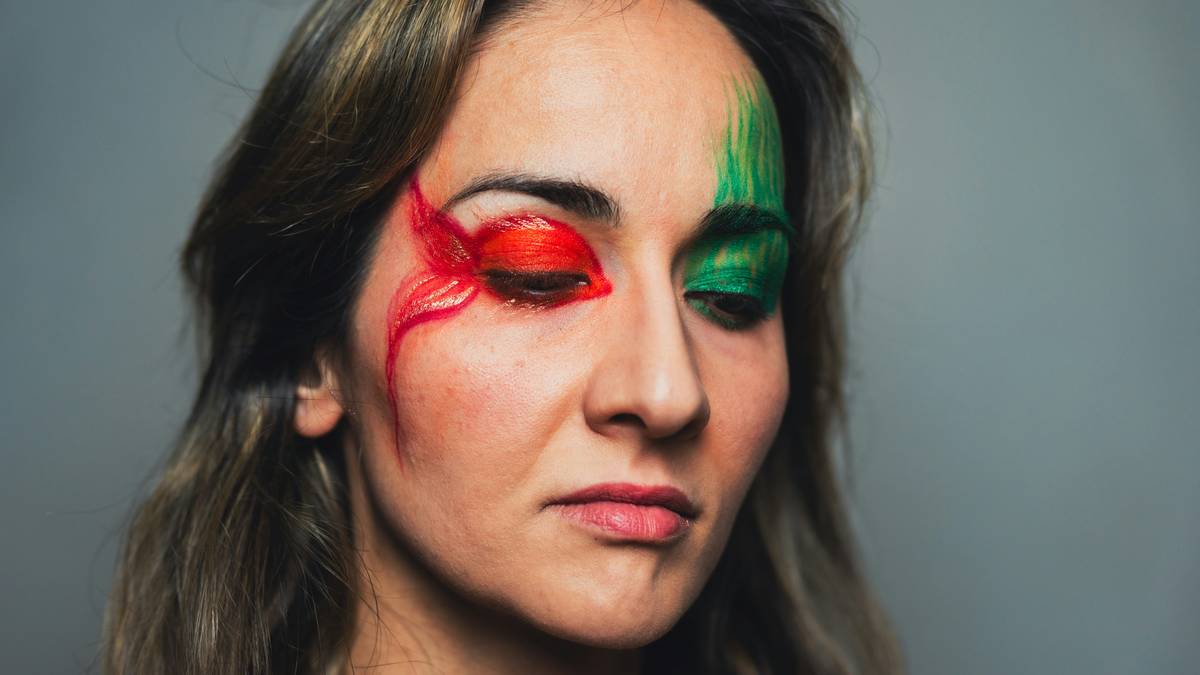
Runway makeup isn’t about shock value—it’s about amplifying a designer’s vision while keeping the face cohesive. Here’s my backstage-approved method:
How Do I Prep My Canvas So Color Stays Put?
Optimist You: “Just swipe on shadow!”
Grumpy You: “Ugh, fine—but only if I get extra espresso shots after explaining why primer matters AGAIN.”
Truth? Skipping primer = sacrificing longevity. Use a matte eyeshadow primer (Urban Decay Primer Potion is gold standard) in a shade matching your lid. Avoid white bases—they oxidize vibrant pigments. For cheeks/lips, apply color-correcting primers: green-tinted for redness, peach for dark spots.
Which Bold Shade Actually Suits Me?
Ditch the “what’s trending” mindset. Hold potential shades near your jawline in natural light:
- Cool undertones (veins appear blue): Opt for fuchsia, cobalt, plum, or true red.
- Warm undertones (veins green/gold): Try tangerine, burnt orange, brick red, or mustard.
- Neutral: Lucky you—most jewel tones work. Test intensity first!
I keep Pantone swatch cards in my kit—designers use them to match fabrics, so why not your lipstick?
How Do I Blend Without Muddying the Color?
Use clean, fluffy brushes (Morphe M433 is my holy grail). Apply pigment with a tapping motion first, then blend *sideways* toward the temple—not up into the brow. Vertical blending stretches the lid and ages the eye. Set with a translucent powder like Laura Mercier Translucent Loose—never setting spray mid-process!
7 Pro Tips for Long-Lasting Vibrancy (No Caking!)
- Layer wet-to-dry: Spray angled brush with MAC Fix+ before packing on pigment for metallic finishes.
- Line first, then fill: Trace outer V with matching pencil before applying shadow—creates a “fence” to prevent feathering.
- Kill the glitter fallout: Apply face makeup *after* eyes. Place tape under lower lash line during application, peel off after.
- Matte lips need prep: Exfoliate gently, then layer balm + liner + liquid matte. Blot, reapply balm *only* on inner lip.
- Avoid “full rainbow” overload: Pick one focal point (eyes OR lips). Cheeks should complement, not compete.
- Lighting matters: Check your look under LED (daylight) AND warm bulbs—you’ll spot clashes early.
- Blot don’t rub: Press oil with blotting paper; rubbing smudges pigment into fine lines.
Real Runway Examples That Nailed It
At Chromat SS24, lead artist Raisa Flowers used custom-mixed indigo gel liner on diverse skin tones. How? She adjusted undertones: added violet to models with pink undertones, green-gold to deeper warm complexions. Result? Unified yet individualized impact.
For Valentino Haute Couture FW23, Pierpaolo Piccioli requested “blood orange” lids. Backstage, we mixed Fenty Snap Shadows in “Fire Coral” with a drop of glycerin for a stained-glass effect that lasted 8 hours under hot lights—no touch-ups.
These weren’t accidents. They were color theory executed with precision. (And yes, I have the backstage Polaroids to prove it.)
Bold Color Makeup FAQs
Can I wear bold color makeup for everyday?
Absolutely—if you scale intensity. Try a sheer wash of cobalt on lids (use fingers to melt pigment) or a stained lip with bold gloss. Think “hint,” not “headline.”
Does bold makeup age you?
Only if poorly blended. Harsh lines emphasize wrinkles; soft, diffused color adds dimension. Always blend beyond where you think you should.
What if my bold eyeliner smudges by noon?
You likely skipped waterproof base. Use a waterproof pencil (Stila Stay All Day) as your anchor, then layer cream or powder over it. Set with matching powder shadow.
Are drugstore bold products as good as high-end?
Sometimes! Wet n Wild MegaLast Lip Color rivals Pat McGrath in vibrancy. But for eyeshadows, invest in high-pigment formulas (Anastasia Beverly Hills, Danessa Myricks)—cheap binders fade faster.
Conclusion
Bold color makeup isn’t about recklessness—it’s about educated risk-taking. When you understand your undertone, prep like a pro, and blend with purpose, vivid hues become your signature, not your spectacle. Remember my blue-on-olive-skin fail? Today, I teach that lesson to every new artist on my team. Start small: pick one bold shade that sings with your skin, master it, then expand. Your future self (and your Instagram DMs) will thank you.
Like a Tamagotchi, your creativity needs daily feeding. Go play with color—but do it smart.