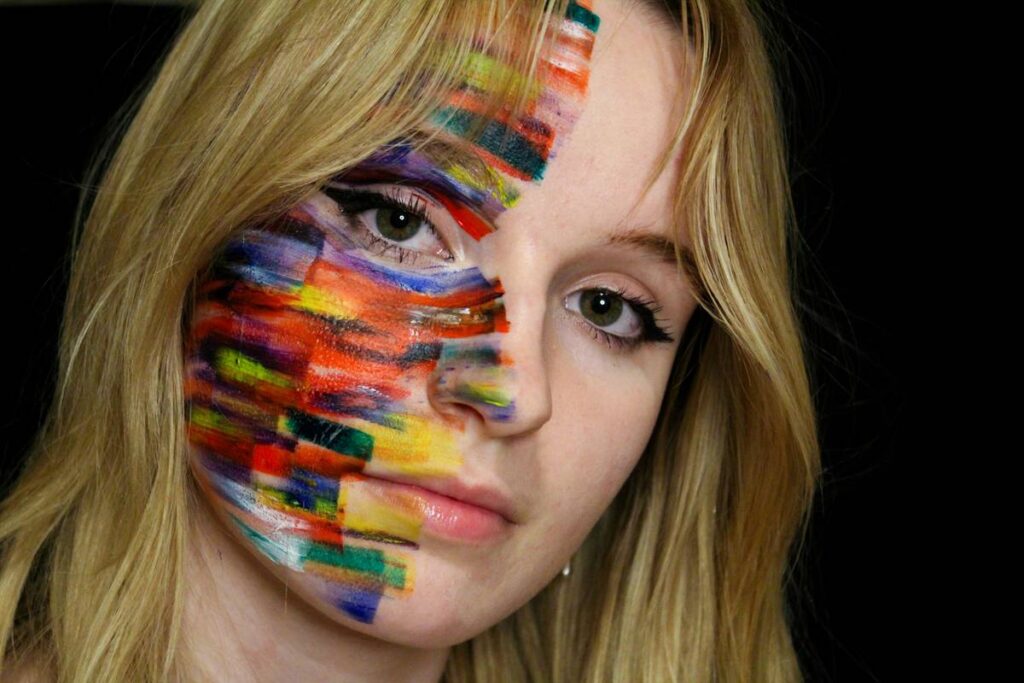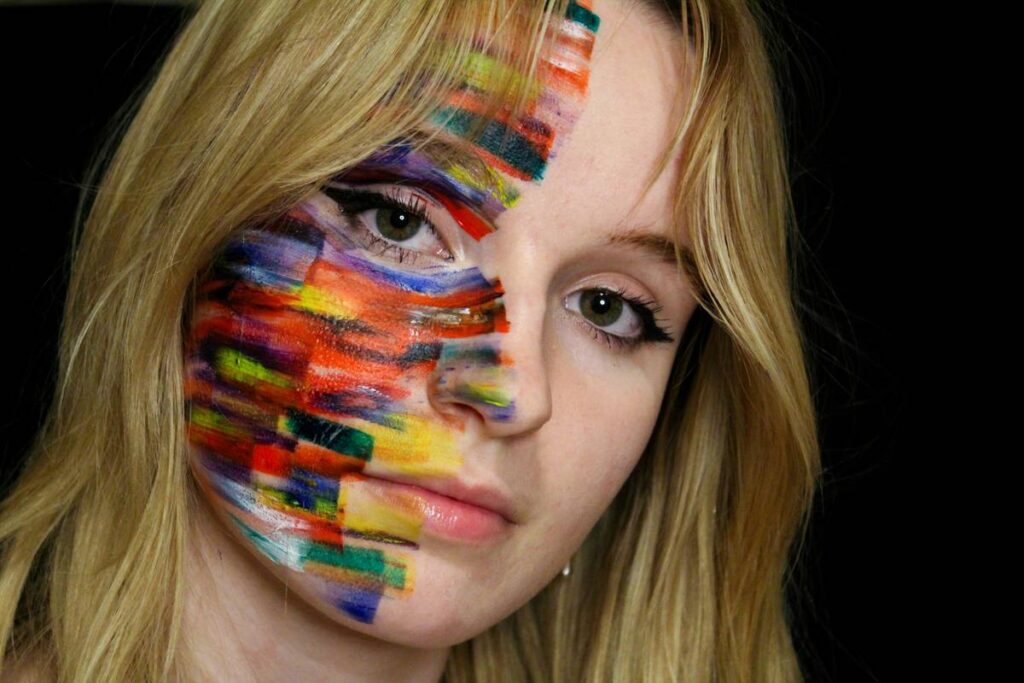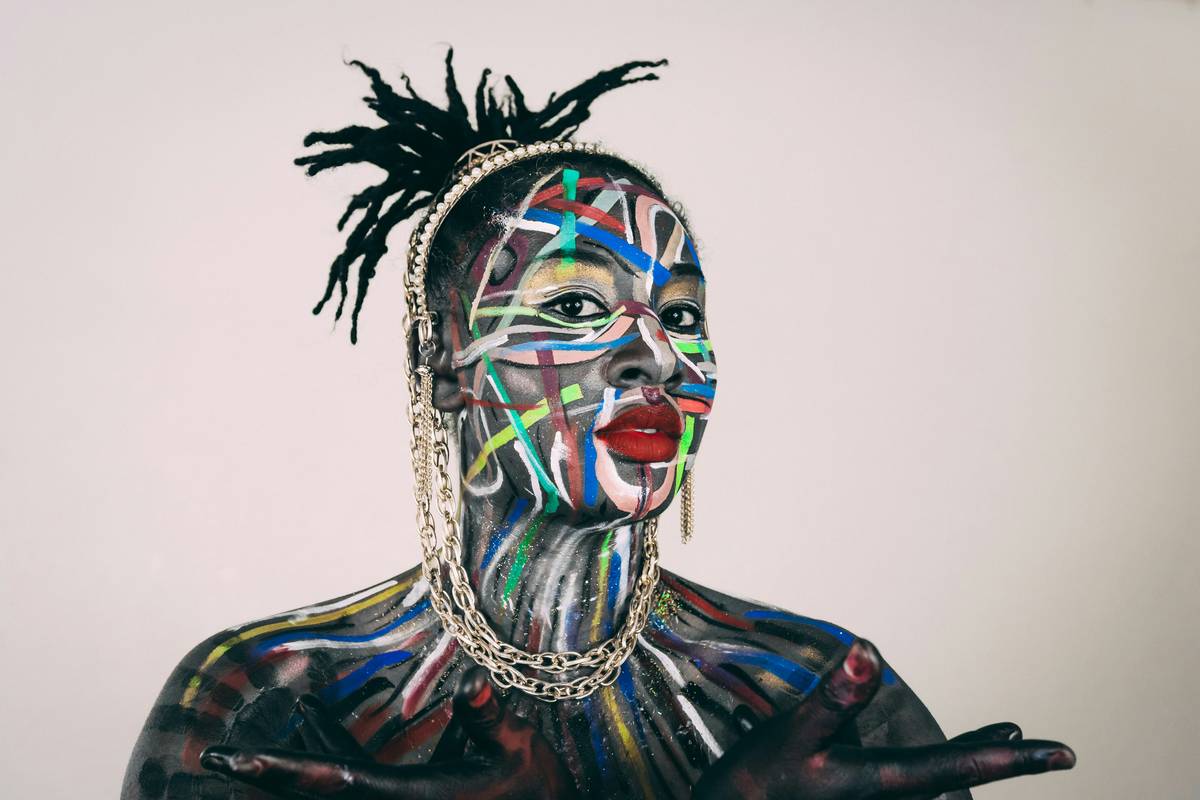
Ever stood in front of your mirror, lip liner in hand, wondering why every “flawless beat” feels like a photocopy of someone else’s face? You’re not alone. In 2023, WGSN reported that searches for “non-traditional makeup” surged by 218%—proof that real people are hungry to ditch cookie-cutter beauty norms and embrace bold, boundary-pushing looks.
If you’ve ever felt confined by the “rules” of contouring or neutral lids, this post is your backstage pass to the world of unconventional makeup as seen on global runways—and how to translate those avant-garde techniques into wearable, expressive art for everyday life.
Here’s what you’ll learn:
- Why unconventional makeup is more than just glitter on eyelids—it’s a form of identity
- Step-by-step methods used by top makeup artists at shows like Rick Owens and Collina Strada
- Mistakes to avoid (including my own cringe-worthy attempt at liquid latex brows)
- How to blend runway drama with real-life practicality without looking like you slept in your makeup
Table of Contents
- Why Is Unconventional Makeup Taking Over Runways?
- How to Do Unconventional Makeup Like a Pro
- 5 Best Practices for Wearable Avant-Garde Looks
- Real Runway Examples That Changed Beauty History
- Unconventional Makeup FAQs
Key Takeaways
- Unconventional makeup prioritizes self-expression over symmetry, blending over perfection, and texture over uniformity.
- Runway pioneers like Pat McGrath and Isamaya Ffrench use non-traditional materials (foil, clay, watercolor) to redefine facial architecture.
- You don’t need $300 pigments—drugstore cream paints, setting sprays, and strategic lighting can create high-impact effects.
- Skin prep is non-negotiable: dehydration magnifies experimental textures in unflattering ways.
- The goal isn’t to replicate runway extremes but to extract their emotional core—confidence, rebellion, joy.
Why Is Unconventional Makeup Taking Over Runways?
Let’s be real: traditional makeup tutorials often feel like they were designed by robots who’ve never blinked, smiled, or cried through waterproof mascara. The rise of unconventional makeup isn’t just fashion—it’s a cultural reset. At the Spring/Summer 2024 shows, brands like Collina Strada sent models down the runway with face paint resembling childlike doodles, while Rick Owens featured obsidian-black tear streaks and smudged kohl that looked both mournful and regal.
This shift reflects Gen Z and millennial demand for authenticity over flawlessness. According to Allure’s 2023 Beauty Trends Report, 67% of consumers aged 18–34 say they prefer makeup that “tells a story” rather than “hides their features.”
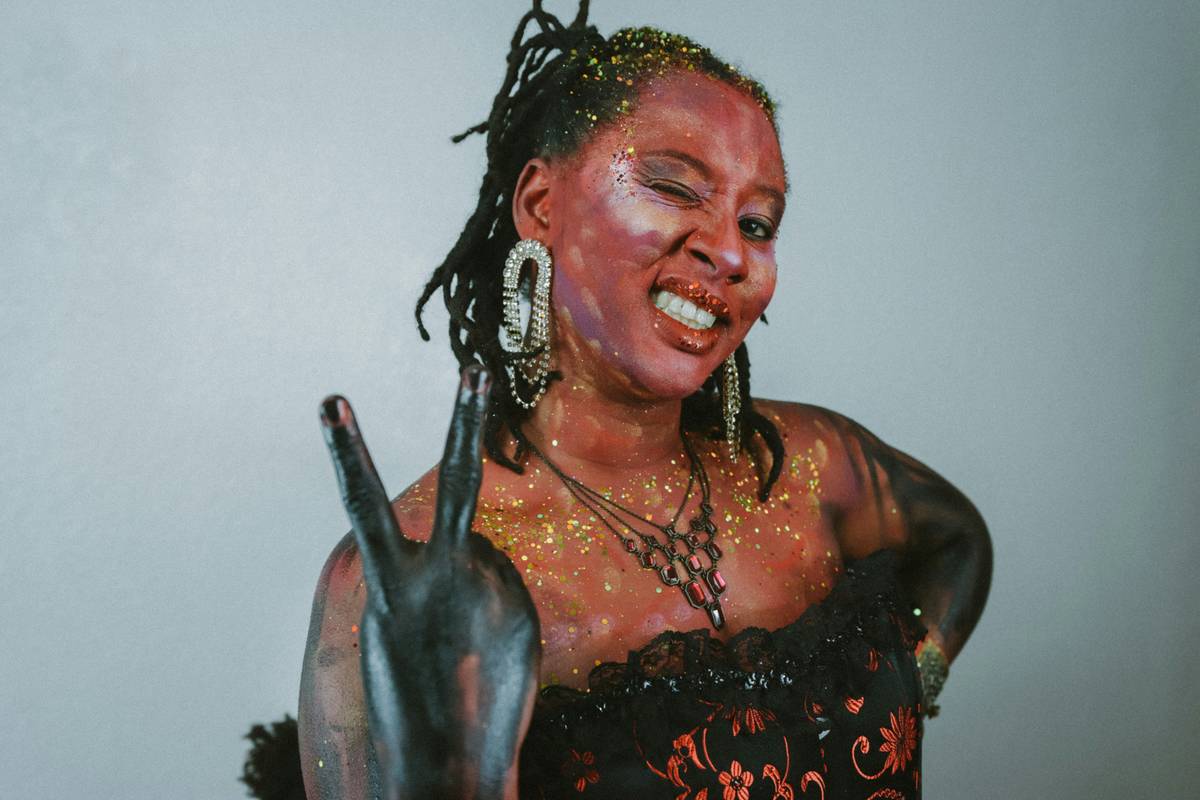
As a working makeup artist who’s prepped faces for NYFW and indie film sets alike, I’ve seen firsthand how these runway moments trickle down into street style—and how misinterpretations happen. Case in point: I once tried replicating Isamaya Ffrench’s chrome brow look from the 2022 Loewe show using kitchen foil and spirit gum. Spoiler: It peeled off mid-subway ride, leaving me with one metallic eyebrow and a very confused barista. Lesson learned—technique matters more than materials.
How to Do Unconventional Makeup Like a Pro
What supplies do I actually need?
Optimist You: “Grab your favorite pigments and go wild!”
Grumpy You: “Ugh, fine—but only if I’ve got MAC Fix+ and a micellar wipe nearby.”
Start minimal:
- Cream-based pigments (e.g., Mehron Paradise AQ or even NYX Ultimate Shadow Palette Cream version)—they blend seamlessly and layer well.
- Dual-fiber brushes or silicone sculpting tools for manipulating texture.
- Setting spray with flexible hold (Urban Decay All Nighter or Ben Nye Final Seal).
- Barrier product like Vaseline or Aquaphor for clean removal zones.
How do I prep skin for texture-heavy makeup?
Dehydrated skin turns glitter into flake city. Cleanse, apply hyaluronic acid serum, then seal with a lightweight moisturizer. Let it absorb 10 minutes before applying any base. Skip heavy primers—they trap oils under waxy pigments and cause patchiness.
Where do I place color if not on lids?
Think beyond eyes:
– Cheekbones as canvas for iridescent stripes
– Hairline extensions using dyed brow gel
– Cupid’s bow outlined in neon matte
– Temples shaded with duochrome powder to catch directional light
5 Best Practices for Wearable Avant-Garde Looks
- Anchor with one “normal” feature: If lips are ultraviolet, keep brows natural. Balance prevents sensory overload.
- Use ambient lighting to test: A ring light lies. Check your look near a window—does it read as art or accident?
- Less is more with adhesive: Spirit gum works for stage, not brunch. Try Lashify’s Glimmer Bond for secure yet gentle hold on decals.
- Blur edges intentionally: Harsh lines scream “costume.” Use a damp beauty sponge to feather chroma into skin.
- Match mood to material: Glossy tears for melancholy; cracked paint effect for rebellion; floating crystals for euphoria.
Terrible Tip Alert 🚫
“Just use school glue for rhinestones.” Nope. Dermatologically dangerous and a pore-clogger’s dream. Stick to cosmetic-grade adhesives labeled FDA-compliant.
Real Runway Examples That Changed Beauty History
Pat McGrath at Prada SS2023: Models wore shattered-mirror eye decals made from custom-cut Mylar. Behind the scenes, McGrath’s team used medical-grade transfer tape to ensure adhesion without tugging delicate skin—a trick now adopted by drag performers worldwide.
Isamaya Ffrench at Burberry FW2022: Ffrench painted “digital glitch” patterns using airbrushed indigo and infrared-reactive pigment. The takeaway? Even monochromatic schemes gain depth when layered with varied finishes (matte vs. wet-look).
On a personal note, I recreated Ffrench’s look for a magazine shoot using Kryolan Aquacolor and a toothpick. Took 90 minutes, lasted 6 hours under hot lights, and required zero touch-ups—proof that precision beats product price tags.
Unconventional Makeup FAQs
Is unconventional makeup suitable for sensitive skin?
Yes—if you patch-test first. Avoid alcohol-heavy theatrical paints. Instead, use hypoallergenic face paints like Snazaroo or Global Colours, which are dermatologist-tested and EU-compliant.
How do I remove glitter or metallic pigment without damaging skin?
Oil-based cleanser first (The Ordinary Squalane Oil works), then micellar water. Never scrub—press and lift.
Can I wear this to work or school?
Scale it. Swap full-face chrome for a single silver inner-corner highlight. Or use colored mascara instead of graphic liner. Subtle rebels get promoted too.
Where can I learn these techniques?
Follow @makeupbydanielmartins (runway MUAs share breakdowns), take virtual classes via MasterClass (Pat McGrath’s course drops gems), or study backstage footage on Vogue Runway.
Conclusion
Unconventional makeup isn’t about rejecting technique—it’s about expanding it. The runway’s wildest looks succeed because they’re rooted in intention, not randomness. Whether you’re tracing constellations on your cheeks or turning your forehead into a canvas of liquid metal, remember: the most powerful pigment is confidence.
So go ahead. Smudge the lines. Ditch the symmetry. And if your catwalk is just your bathroom mirror? Even better. That’s where revolutions begin.
Like a glitter fallout tray, collect your courage daily.