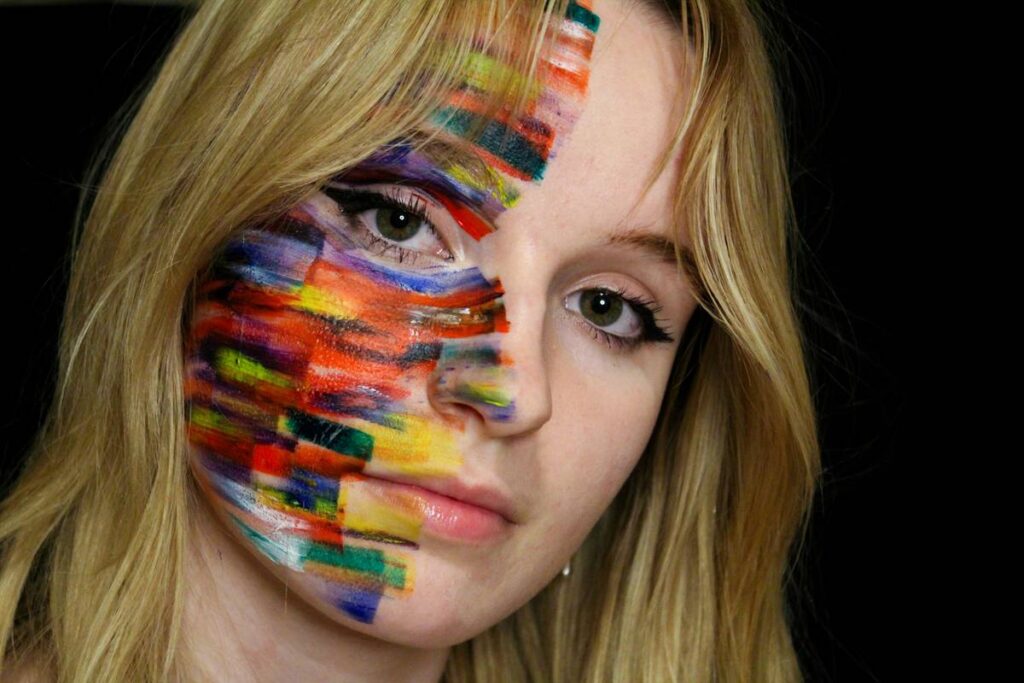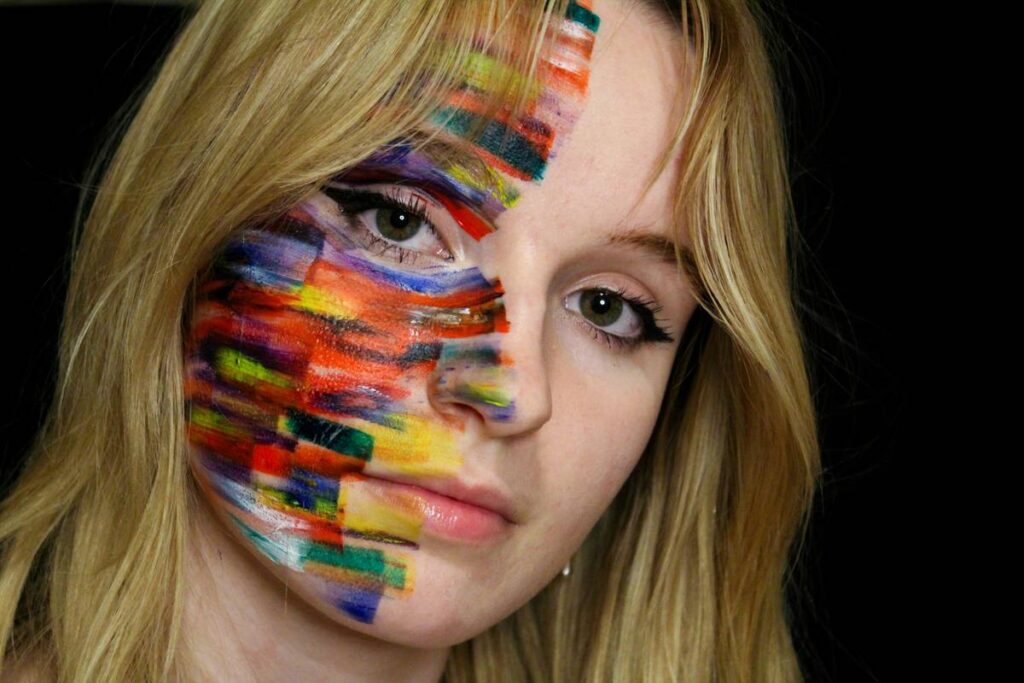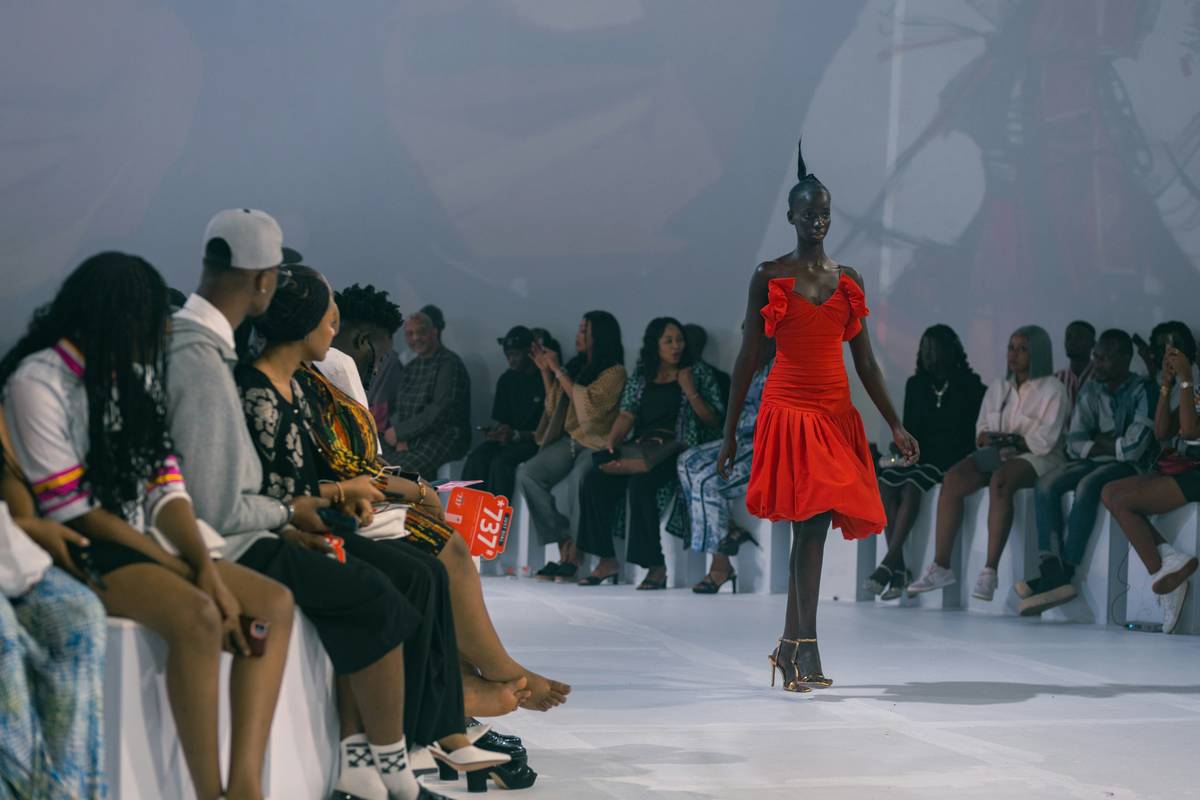
Most makeup artists treat runway like red carpet. Big mistake. Theatrical makeup looks demand exaggeration, structure, and narrative—not soft focus or “natural glow.” When you blend stagecraft too gently into avant-garde fashion, you vanish under the lights. Here’s how to build boldness that survives 500-watt spotlights—and why your current kit is holding you back.
Why Standard Runway Techniques Fail for Theatrical Makeup Looks
Runway makeup thrives on minimalism. But theatrical makeup lives in hyperbole. Lighting alone explains it: catwalks use flat, diffused LEDs; stages blast directional tungsten that eats subtle contours.
You can’t rely on a fluffy brush and a neutral palette. And no—foundation matching isn’t enough if your cheekbones disappear from Row F.
Step-by-Step Guide to Crafting Unforgettable Theatrical Makeup Looks
Select Your Narrative Before Your Palette
Avoid random shock value. Ask: Is this character tragic? Mechanical? Mythic? That dictates color temperature, line sharpness, even texture. Think Kabuki meets cyberpunk—not just glitter bombs.
Build Dimension with Strategic Depth
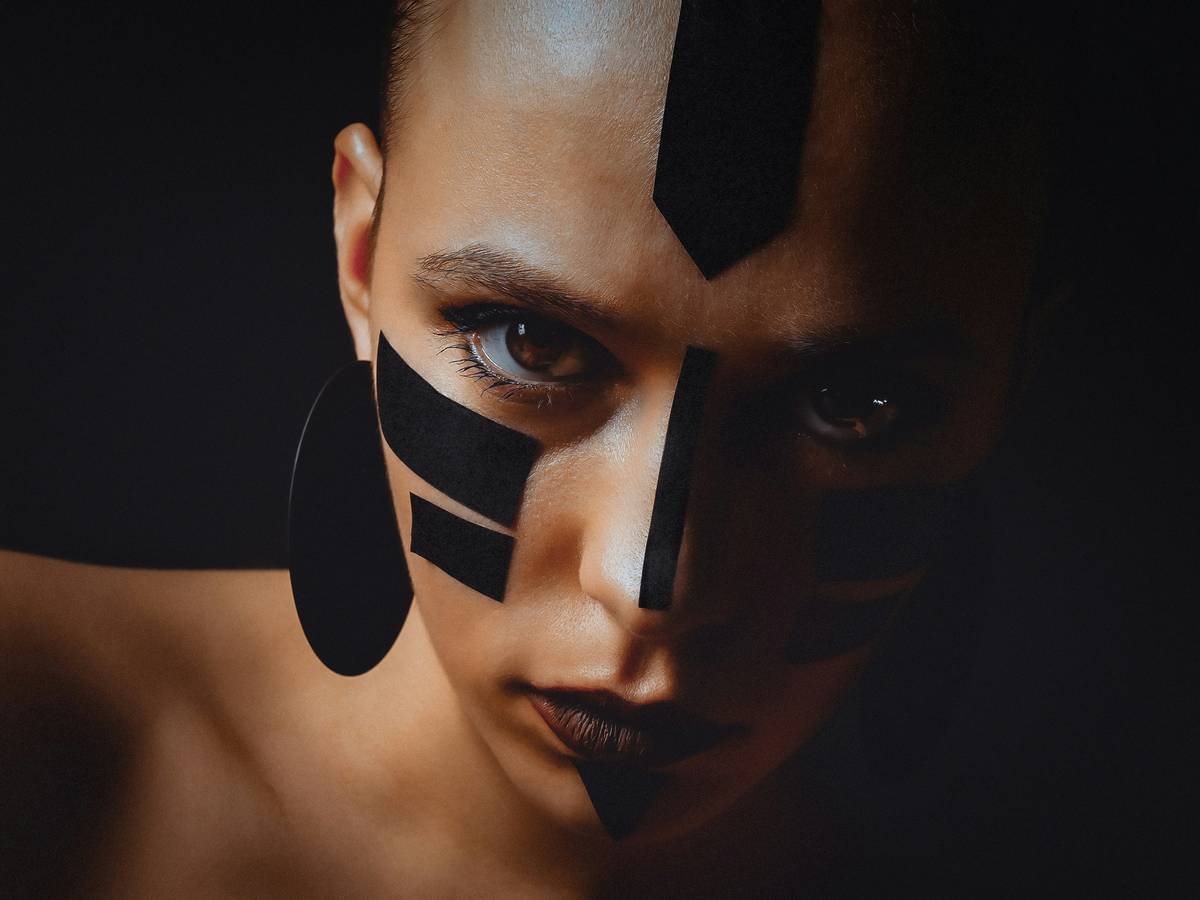
Forget contouring like Instagram. On stage, recesses must read from 30 feet away. Carve hollows with matte cool-toned browns two shades deeper than skin—not bronzer. Highlight with opaque white, not pearlized cream.
Seal It Like Armor
Sweat, heat, and frantic costume changes destroy delicate layers. Layer setting powder, then spray fixative—not once, but twice. Let each dry fully. Yes, it feels stiff. Good. Durability > comfort here.
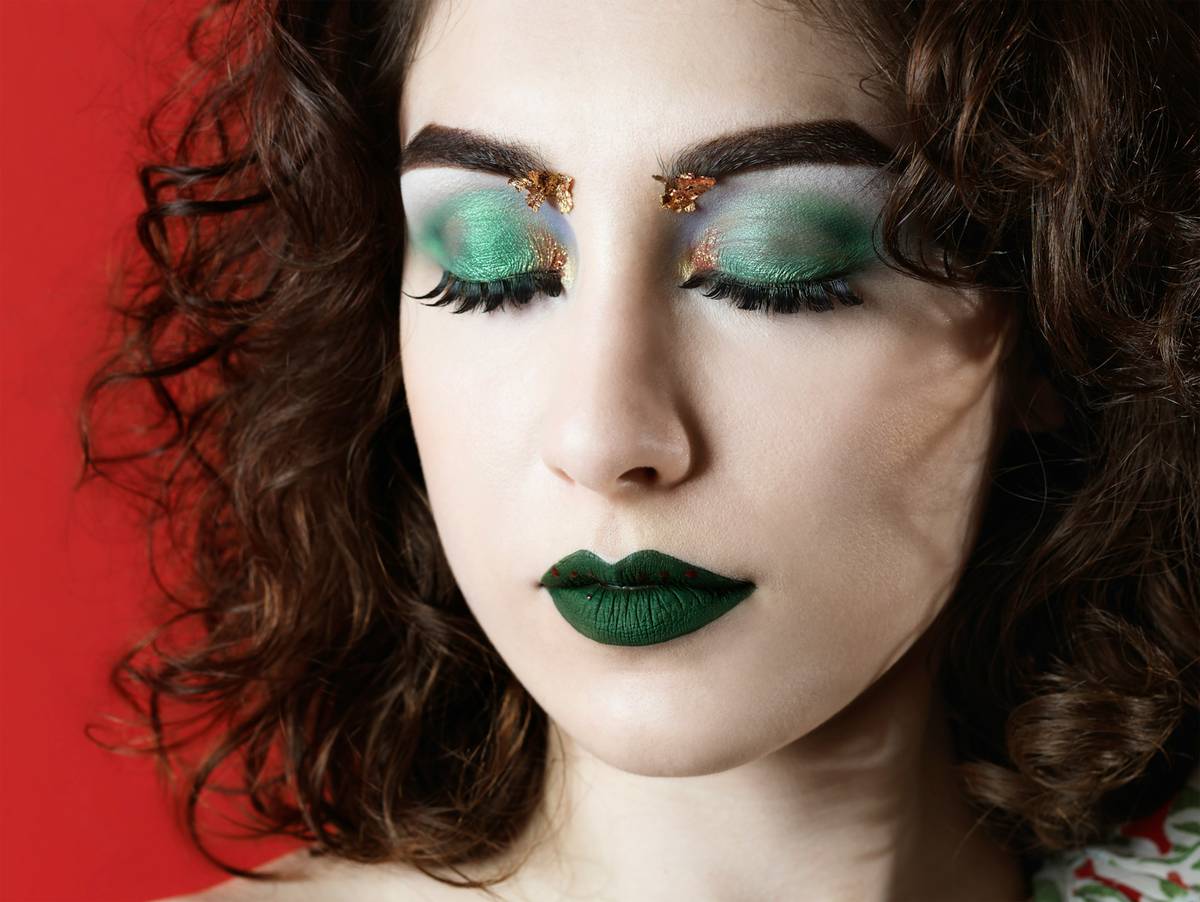
| Technique | Standard Runway Approach | Theatrical Makeup Looks Approach | Why It Matters |
|---|---|---|---|
| Contour | Soft, diffused bronzer | Matte cool gray-brown, razor-defined edges | Creates readable bone structure under harsh light |
| Eyes | Nude lids, subtle liner | Graphic shapes, opaque pigments, extended wings | Eye shape must read instantly in motion |
| Setting | Light mist of setting spray | Powder bake + dual-layer fixative | Withstands sweat, fabric friction, 90-minute shows |
Color Isn’t Just Hue—It’s Psychology
Red doesn’t mean “sexy” under footlights. It reads as danger, blood, passion—or rage—depending on saturation and placement. Desaturated teal? Alienation. Electric yellow on temples? Mania. Choose emotion first, pigment second.
The Industry Secret No One Admits: The Mirror Lies
Here’s a hard truth: what looks grotesque up close often reads perfectly at distance. Veteran theater MUAs check their work by stepping 15 feet back—or viewing via phone zoom at 2x. Your vanity mirror? Useless.
I once watched a designer reject a model’s look because “the eyes vanished.” They hadn’t—they just looked extreme in the dressing room. From the front row? Iconic. Test under real conditions, not flattering selfie lighting.
Frequently Asked Questions
Can theatrical makeup looks work for editorial photoshoots?
Yes—if stylized intentionally. Photographers love sculptural contrast, but reduce intensity by 30% unless going full conceptual.
What’s the biggest mistake beginners make with theatrical makeup?
Blending too much. Precision beats softness every time. Sharp lines hold energy.
Do I need special products for theatrical makeup looks?
Not necessarily—but avoid dewy formulas. Matte, high-pigment, alcohol-based paints last longer and photograph truer.