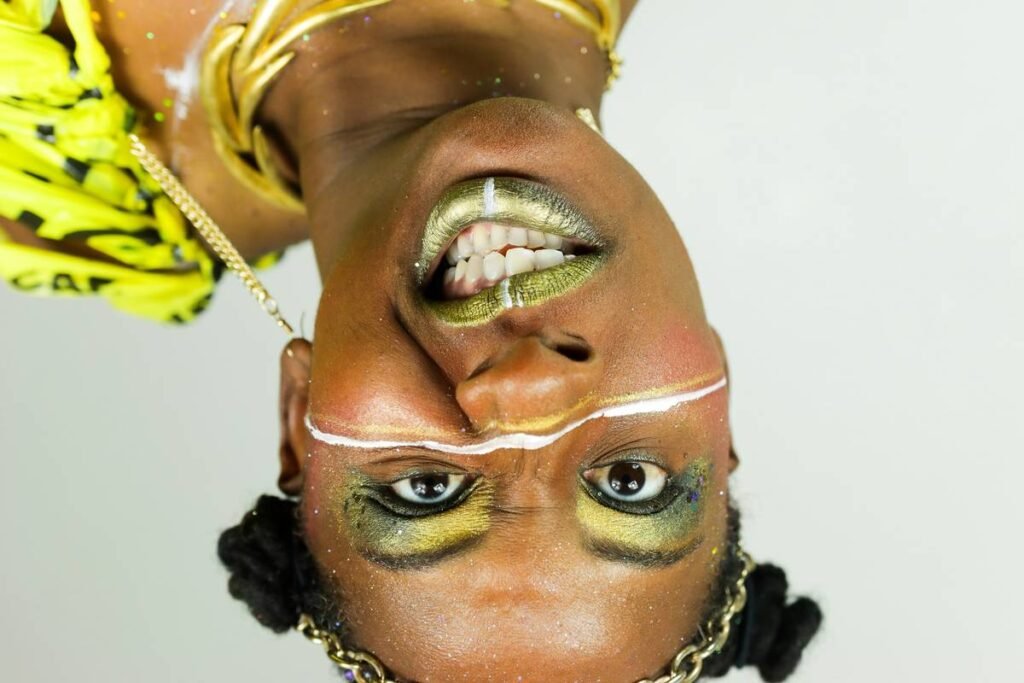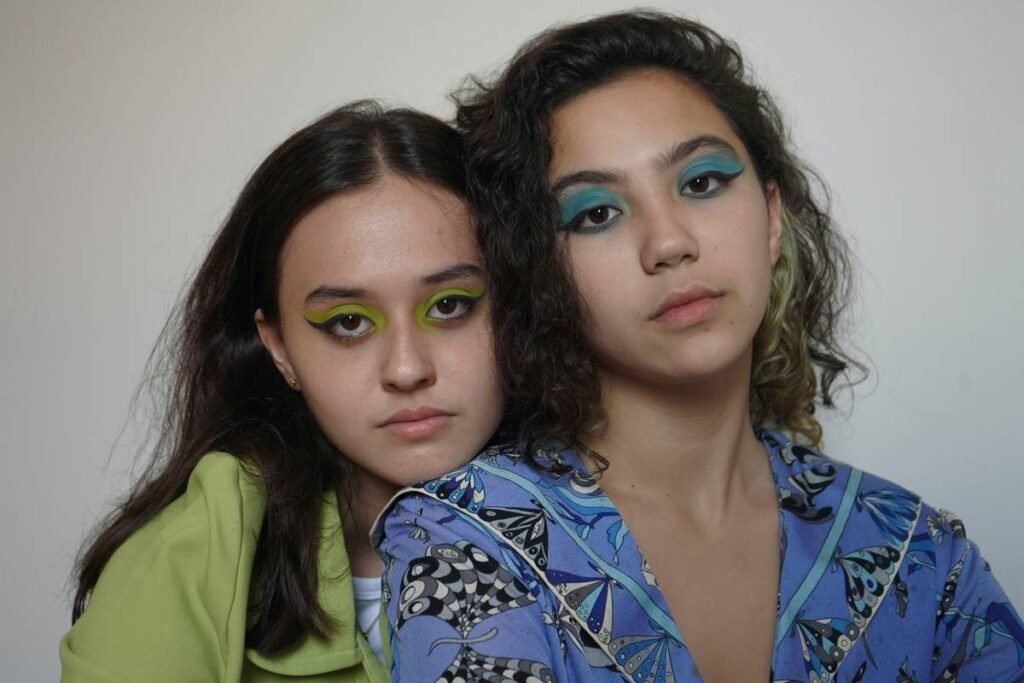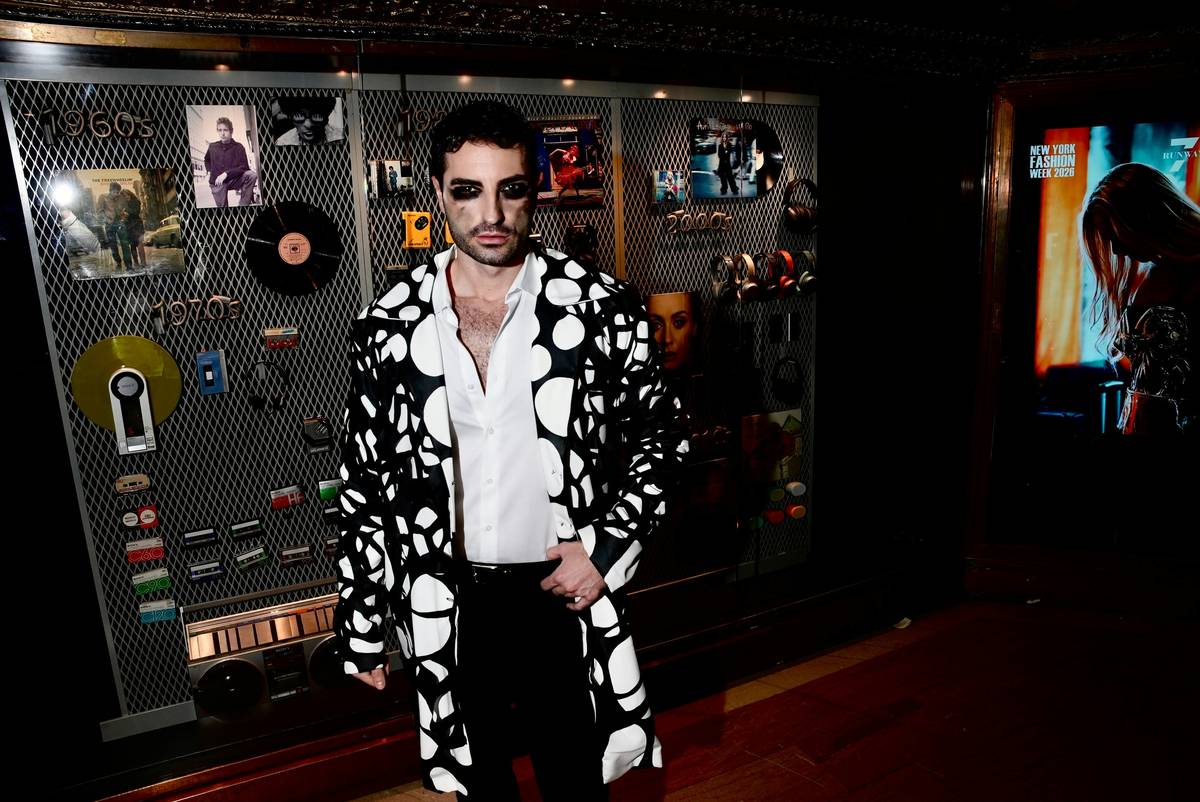
Fashion Week isn’t just about clothes—it’s a high-stakes visual theater where model beauty trends dictate what millions will try in their bathrooms. Yet most recreations fall flat. Why? Because you’re copying the finish, not the strategy. The runway look you admire was engineered under 3am lighting, with six pro artists and wind machines—not your ring light and drugstore kit.
Why DIY Runway Makeup Usually Fails
Runway makeup isn’t “more makeup.” It’s calculated distortion. A matte lip that reads as nude on camera might be borderline violet IRL. Contour so sharp it looks unnatural up close vanishes at 20 feet. And here’s the brutal truth: brands pay to showcase products—not wearable art. What lands on Instagram is often a heavily edited ghost of the live show.
And the kits? Packed with custom-blended formulas never sold to consumers. You’re playing chess while they rewrote the rules mid-game.
How to Actually Recreate Model Beauty Trends (Without a Backstage Pass)
Forget “dupes.” Think translation. Your goal isn’t replication—it’s adaptation for real skin, real light, and zero wind machines.
Step 1: Reverse-Engineer the Light
Runway lighting is cold, intense, and directional. That means warm-toned concealers will turn orange. Instead, match your foundation to your jawline under LED bulbs—not daylight. Pro tip: mix a drop of blue corrector into your base if you’re fighting sallowness under fluorescent office lights.
Step 2: Sculpt for Distance, Not Detail
On camera, subtlety disappears. But on your Zoom call? Heavy contour screams “trying too hard.” Solution: use a cool taupe powder one shade deeper than your skin, applied only along the hollows—never the temples. Blend upward. Always upward.
Step 3: Edit the Eyes Ruthlessly
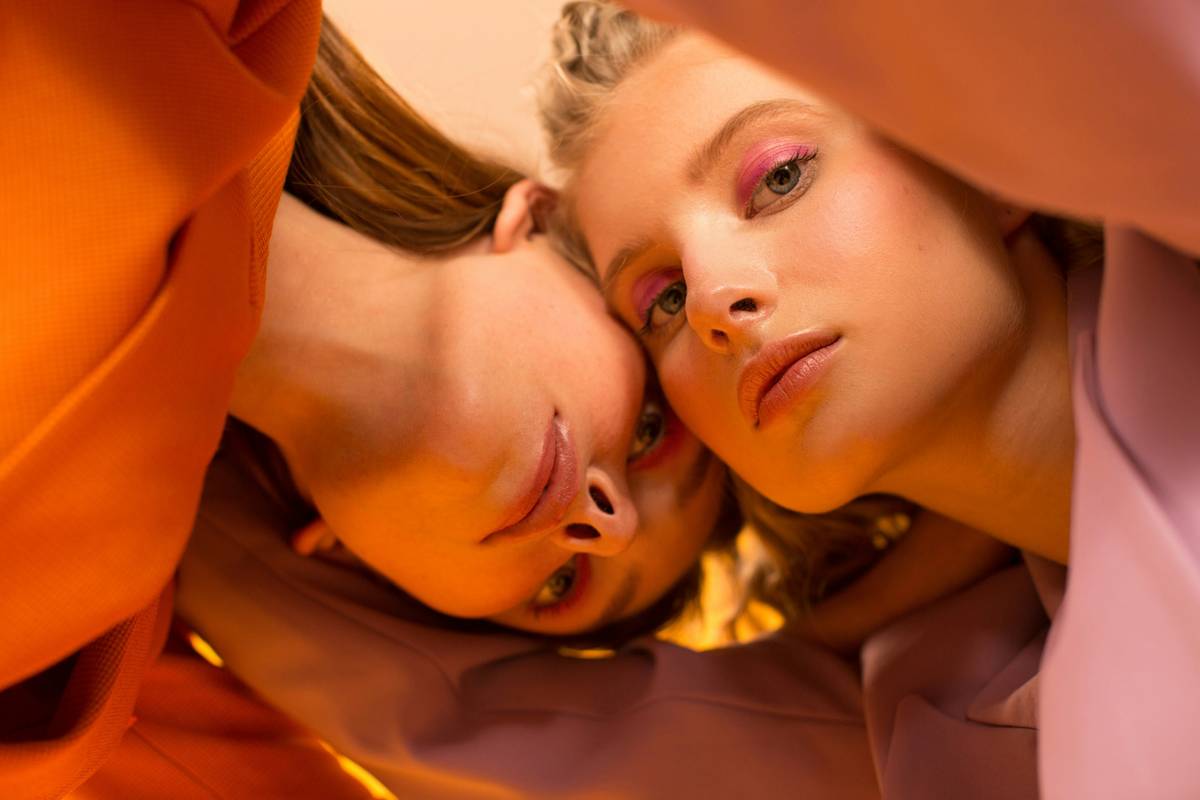
Smoky eyes on models often involve five shadows and two liners. For daily wear? Pick one focal point. Either smudged liner OR blended crease—not both. And skip bottom lashes unless you’re going full evening. They age you faster than you think.
| Runway Technique | At-Home Translation | Key Product Shift |
|---|---|---|
| Wet-look skin with glycerin gloss | Dewy—but not shiny—finish using cream highlighter on cheekbones only | Swap liquid illuminators for balm-based sticks (less migration) |
| Bleached brows + graphic liner | Feathered natural brows + single flick of gel liner | Avoid bleach; use clear brow gel with spoolie for lift |
| Monochromatic color blocking | One-tone harmony: rose blush + muted rose lip | Use cream formulas—they melt together seamlessly |
Step 4: Finish Like a Pro (Without the Fog Machine)
Backstage, setting sprays are layered—toner first, then mist, then powder puff tap. At home? Spritz thermal water before makeup, then a fine-mist setting spray after. Never powder your T-zone aggressively; it kills dimension. Let skin breathe—just blot strategically.

The Industry Secret No One Talks About: “Negative Space” Makeup
Here’s what separates editorial from amateur: restraint. Top makeup artists like Isamaya Ffrench don’t add—they subtract. On Kendall at Balenciaga? Bare lids, no mascara, but razor-sharp skin. The eye area becomes negative space that draws you into the bone structure. Try this: skip eye makeup entirely one day. Just perfect your skin prep, groom brows, and wear a bold lip. You’ll get more compliments than you expect. The math is simple—fewer elements = stronger impact.
Frequently Asked Questions
What defines current model beauty trends?
Today’s model beauty trends favor skin-first minimalism—think hydrated complexions, blurred lips, and strategic pops of color. Less masking, more enhancement.
Can I wear runway makeup daily?
Not directly. But you can adapt core ideas: swap graphic liner for tightlining, or use a sheer wash of runway shadow as a lid stain.
Which brands actually create Fashion Week looks?
MAC, Fenty, Chanel, and Pat McGrath Labs dominate backstage. But their pro-only shades rarely hit retail—so focus on technique over exact products.