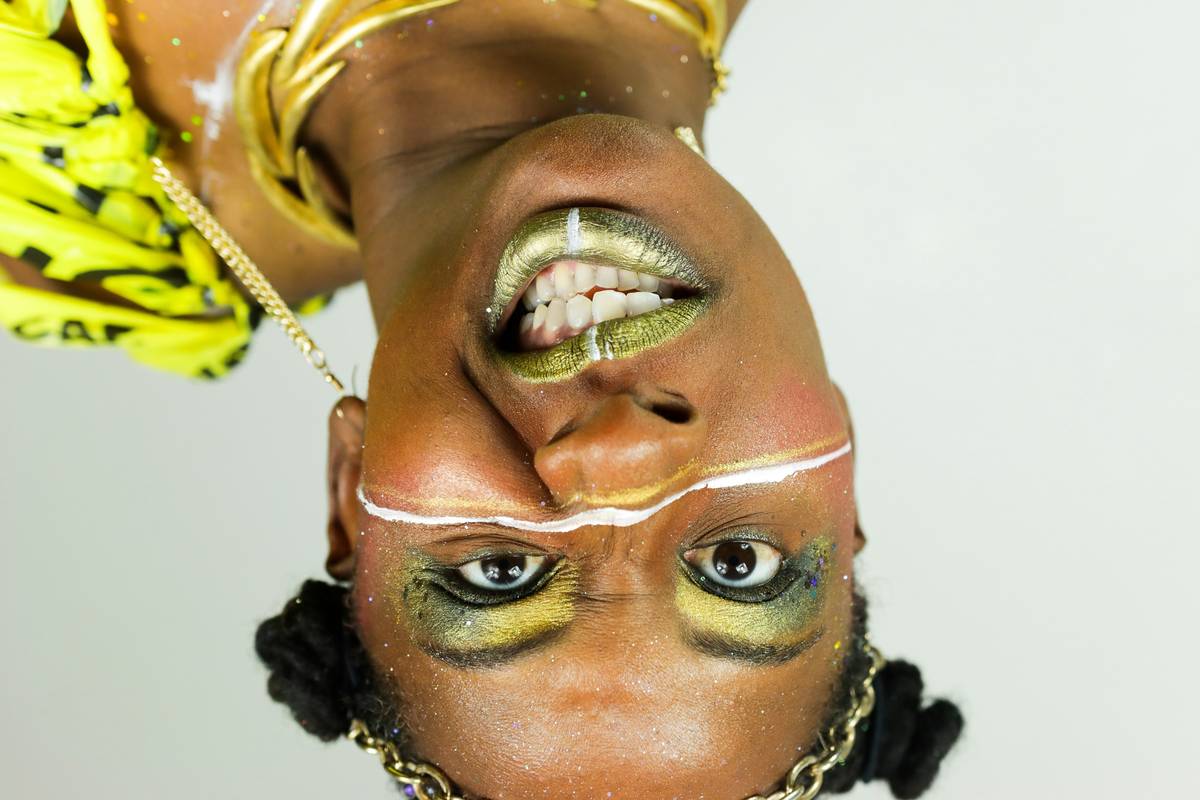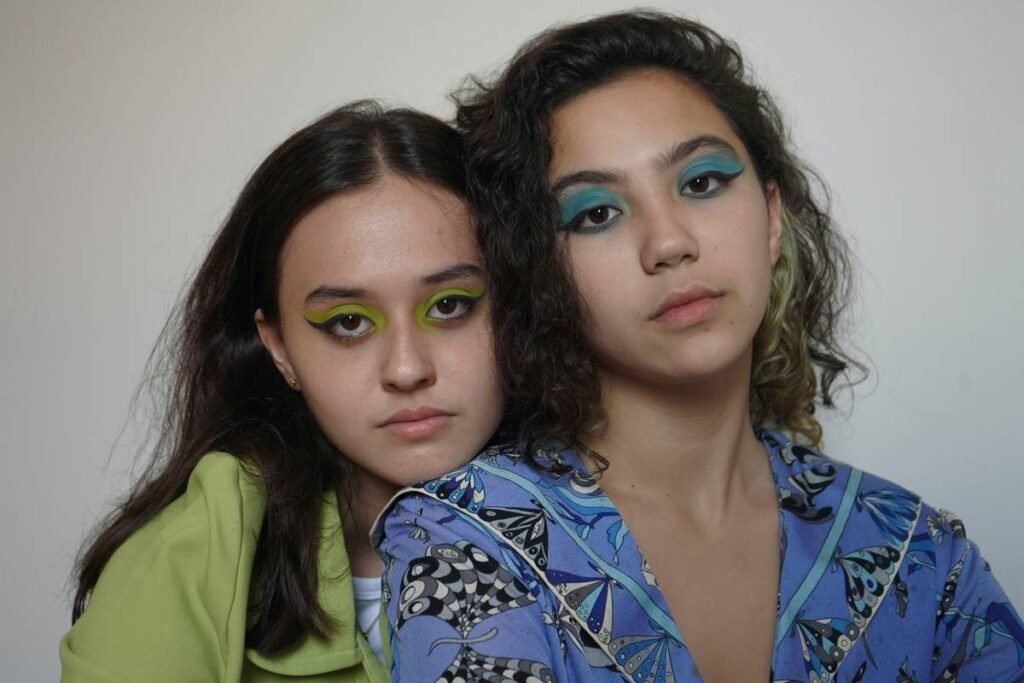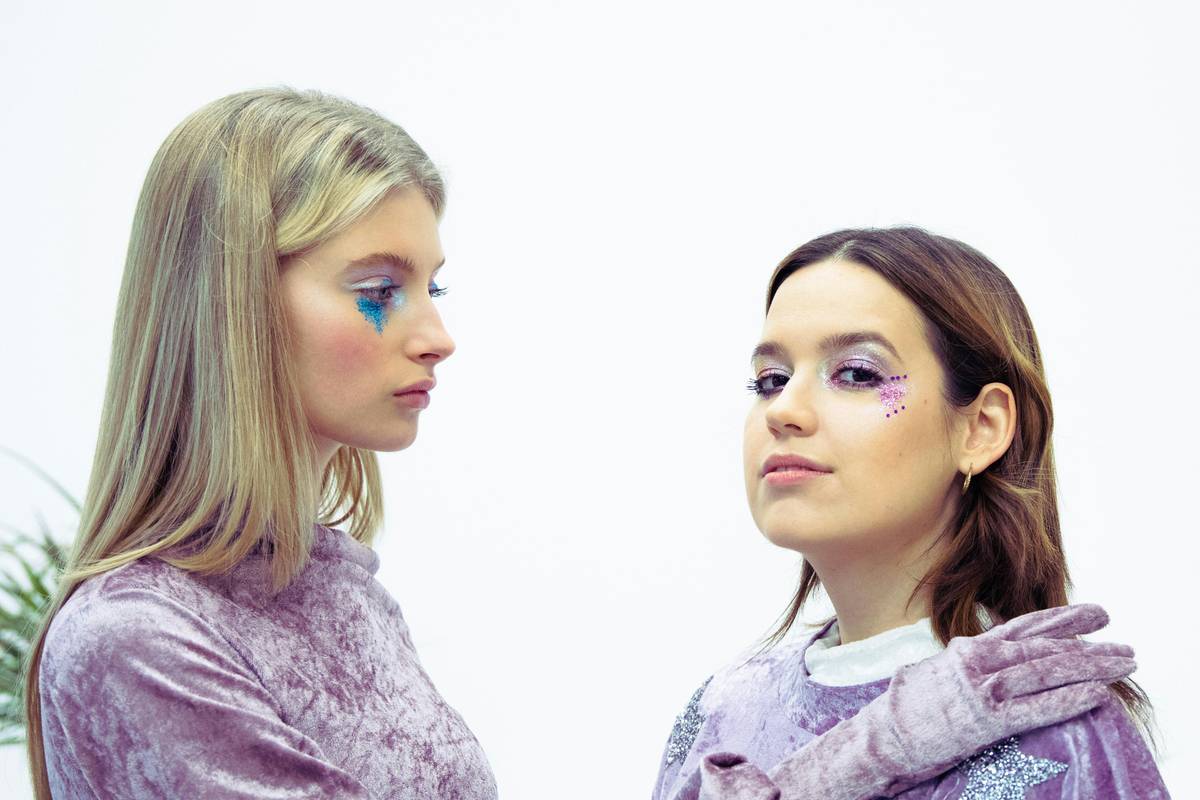
Fashion Week doesn’t reward “pretty.” It rewards provocation. Yet most makeup artists—armed with flawless blending skills and Instagram-famous brushes—still treat the runway like a bridal suite. They miss the point entirely. Editorial runway makeup isn’t about enhancing features; it’s about distorting, exaggerating, or erasing them to serve narrative. The solution? Stop mimicking red carpets. Start thinking like a sculptor with pigment.
Why Traditional Makeup Techniques Fail on the Runway
Runway lighting is brutal. Catwalk cameras demand contrast, not softness. And designers aren’t hiring you to make models look “natural”—they want a living extension of their collection’s moodboard. Using everyday foundation layering or subtle contour here is like bringing a watercolor brush to a graffiti battle.
Worse? Many artists over-index on product without understanding spatial storytelling. A smoky eye that works in editorial shoots collapses under the harsh glare of a Milanese stage. The math is simple: if your look reads as “done” from 20 feet away, it’s already failed.
How to Build an Editorial Runway Makeup Look That Commands Attention
Forget tutorials. This isn’t about steps—it’s about strategy. Start with the garment. Then reverse-engineer the face. Is the fabric metallic and severe? Your skin should feel like cold steel—not dewy, but matte with a slight sheen from strategic oil, not moisturizer. Here’s how pros actually break it down:
Step 1: Skin as Canvas—Not Complexion
Scrap “flawless.” Aim for uniformity. Use high-coverage cream foundations (not liquids) mixed with setting powder for a flat, poreless finish. Bake only where shadows would naturally fall—cheekbones? No. Temples and jawline? Yes.
Step 2: Feature Distortion Over Enhancement
Want drama? Shift proportions. Extend brows past the orbital bone. Draw lips smaller—or larger—with hard edges. Soft lines vanish under lights. Sharp geometry survives.
Step 3: Color With Intention, Not Trend
That viral lavender shadow? Irrelevant. If the show’s palette is rust and charcoal, your eyes must echo that—even if it means using actual powdered pigment mixed with mixing medium. Authenticity > virality.
| Technique | Purpose | Common Mistake | Pro Adjustment |
|---|---|---|---|
| Matte Foundation Base | Create non-reflective canvas | Using hydrating formulas for “healthy glow” | Mix foundation with translucent powder pre-application |
| Graphic Liner | Define silhouette from distance | Fine, wispy wings | Use gel liner + flat brush for 5mm-thick strokes |
| Monochromatic Cheeks | Eliminate warmth that distracts | Blending blush into temples | Apply neutral taupe with stippling sponge—no blending |
| Lip Erasure | Redirect focus to eyes/structure | Nude gloss for “barely there” effect | Conceal lips fully, then redraw with pencil only |
The Industry Secret: It’s Not About Beauty—It’s About Erasure
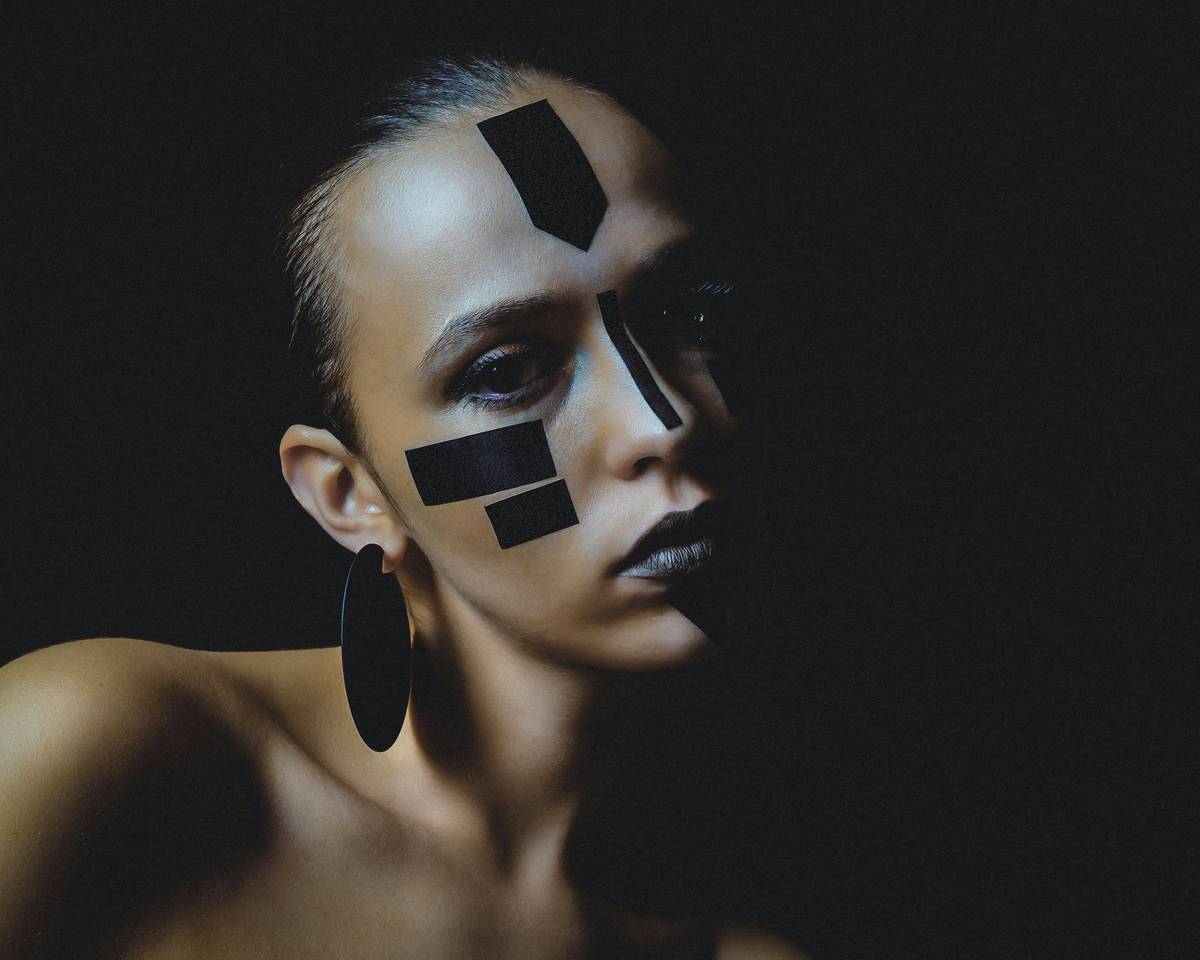
Here’s what backstage veterans won’t say out loud: editorial runway makeup often aims to *remove* identity, not celebrate it. The goal? Turn the model into a moving sculpture—an anonymous vessel for the designer’s vision. That’s why you’ll see faces stripped of brows, lips painted flesh-tone, or eyes hollowed with grey shadow. It feels counterintuitive. But think about it: when a Balenciaga show features models with obscured features, it’s not lazy—it’s deliberate dehumanization to elevate clothing as protagonist. And that mindset shift changes everything.
And yes—sometimes that means using adhesive, paint, or even prosthetics. Makeup isn’t just color here. It’s architecture.
Frequently Asked Questions
What’s the difference between editorial runway makeup and regular editorial makeup?
Editorial runway makeup is built for live presentation under extreme lighting and movement—it prioritizes shape and contrast over subtlety. Regular editorial (for print) allows nuance and texture.
Do models keep runway makeup on after the show?
Rarely. Most tear it off immediately. These looks aren’t meant for real life—they’re temporary installations. Cleansing wipes backstage are soaked through before the last model exits.
Can you recreate these looks for everyday wear?
Not directly. But you can borrow elements—like monochrome skin or graphic liner—and soften edges. Never copy the intensity; extract the concept.