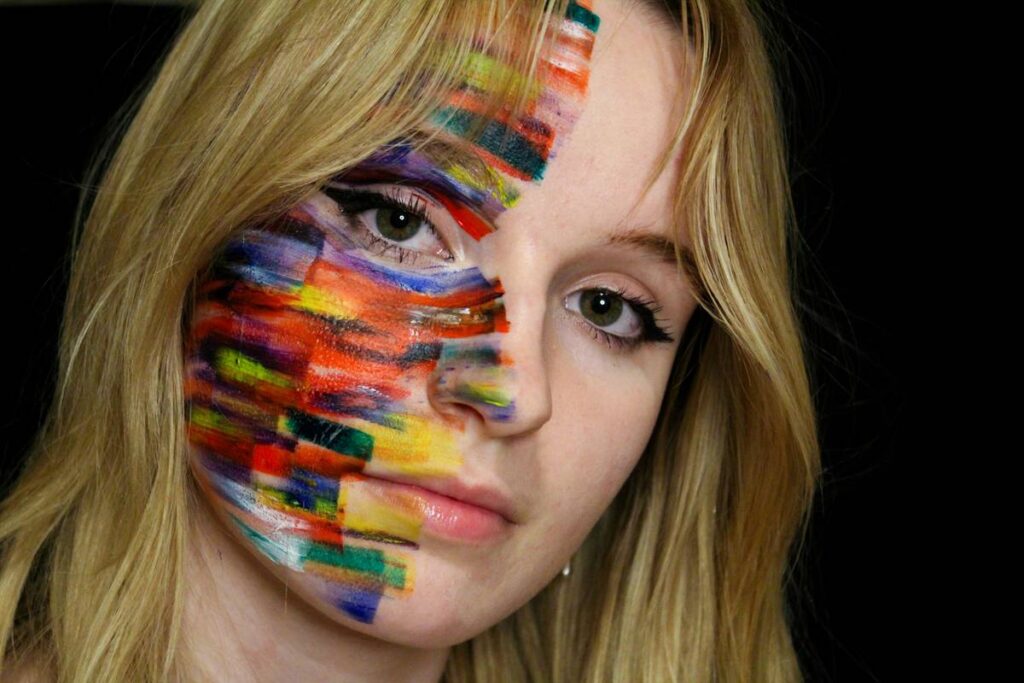
Ever spent hours perfecting a bold eye look only to watch it melt under stage lights halfway through a show? You’re not alone. Runway makeup isn’t just about being flashy—it’s about engineering art that survives heat, sweat, and high-definition scrutiny. Whether you’re prepping for Fashion Week or experimenting with avant-garde styles at home, the wrong technique can turn your masterpiece into a smudged disaster. In this guide, we’ll break down seven actionable creative runway makeup tips that blend artistry with endurance—all backed by real-world experience and pro insights.
Table of Contents
- Why Runway Makeup Is Different
- Step-by-Step Guide to Long-Lasting Avant-Garde Looks
- Pro Tips Beyond the Brush
- Real-World Examples from Fashion Week
- FAQs
Key Takeaways
- Runway makeup must withstand extreme conditions—heat, movement, lighting—unlike editorial or everyday looks.
- Primer choice and setting technique are non-negotiable for longevity.
- Less blending isn’t always better; strategic precision beats chaotic layering.
- Confidence in execution matters more than trend-chasing.
Why Runway Makeup Is Different
Unlike Instagram-ready glam or bridal makeup, runway looks are designed to read clearly from 30 feet away under harsh LED spots. That means saturation, contrast, and structural integrity trump subtlety. I once layered neon pigment over bare skin for a student showcase—no primer, no sealant. By lap two, my “futuristic tear” had migrated into a muddy cheek stain. Lesson learned: artistry without engineering fails fast.

Step-by-Step Guide to Long-Lasting Avant-Garde Looks
1. Prep Like a Pro
Start with a mattifying primer suited to your skin type. Oily skin? Try one with silica (like Hourglass Veil). Dry skin? Opt for hydrating formulas with hyaluronic acid. According to the National Library of Medicine, primers containing dimethicone significantly improve makeup adherence and reduce oxidation.
2. Build in Thin, Sealed Layers
Apply foundation with a damp sponge, then set immediately with translucent powder using the “baking” method only on high-movement zones (under eyes, forehead). For pigments or loose color, mix with a mixing medium—not water—to prevent flaking.
3. Lock It Down Twice
Spray a fine mist of setting spray, let it dry, then repeat. This double-lock technique is standard backstage at shows like Alexander McQueen, as confirmed by lead makeup artist Isamaya Ffrench in Vogue interviews.
Pro Tips Beyond the Brush
- Avoid “more is more” overload: A common rookie error is piling on textures—glitter, gloss, cream, and powder all at once. Pick one focal point (e.g., eyes or lips) and keep other areas crisp but minimal.
- Use tape for sharp lines: Scotch Magic Tape (not duct tape!) creates clean edges for graphic liner or cut creases. Press gently, remove slowly.
- Carry emergency blotting papers: Even the best looks sweat under hot lights. Blot, don’t rub.
- Test under similar lighting beforehand: What looks dramatic in daylight may vanish under stage LEDs. Practice with a ring light or bright white bulb.
And here’s a terrible tip to avoid: “Just use hairspray to set your makeup.” Nope. Hairspray contains alcohol and polymers meant for keratin—not skin. It can cause irritation and actually dissolves some silicones in modern foundations.
Real-World Examples from Fashion Week
At the Spring/Summer 2023 show for Rick Owens, models wore monochromatic white face paint with exaggerated negative-space brows. Despite ambient temperatures hitting 90°F backstage, none showed transfer or cracking. How? The team used Mehron’s Paradise AQ body paint—a water-activated formula known for flexibility and sweat resistance. Similarly, Pat McGrath’s team for Prada S/S 2024 relied on her own Skin Fetish Sublime Perfection Foundation, layered thin and sealed with multiple spritzes of the Sublime Perfection Setting Spray. These aren’t just expensive products—they’re tools selected for performance, not just aesthetics.
If you’re curious about our standards for product testing and artistic integrity, learn more on our About Us page.
FAQs
What’s the best primer for oily skin in runway makeup?
Choose oil-free, pore-blurring primers with silica or nylon-12. Popular backstage choices include Make Up For Ever Step 1 Mattifying Primer and Smashbox Photo Finish Oil & Shine Control.
Can I use regular eyeshadow for runway looks?
Only if it’s highly pigmented and paired with an adhesive base. Cream-to-powder formulas or pressed pigments (like those from Viseart or Danessa Myricks) offer better payoff and staying power than drugstore shadows.
How do I make bold colors pop under stage lighting?
Amplify saturation by applying shadow wet or over a white base (like NYX Jumbo Pencil in “Milk”). Matte black eyeliner along the lower waterline also intensifies vibrancy.
Is setting spray really necessary?
Absolutely. Studies show that setting sprays containing film-forming polymers (like PVP or acrylates) increase wear time by up to 40%. Skipping it risks patchiness and smudging during movement.
Where can I get personalized advice for avant-garde makeup?
Our beauty advisors specialize in experimental techniques. Reach out via our Contact Us page—we’d love to help you craft a look that lasts. (And yes, we comply with strict data practices; see our Privacy Policy.)
In the world of avant-garde beauty, creativity thrives—but only when anchored in technique. Nail these creative runway makeup tips, and your art won’t just turn heads—it’ll survive the spotlight. Remember: precision over panic, strategy over sparkle, and always, always patch-test. Because great runway makeup isn’t seen—it’s remembered.