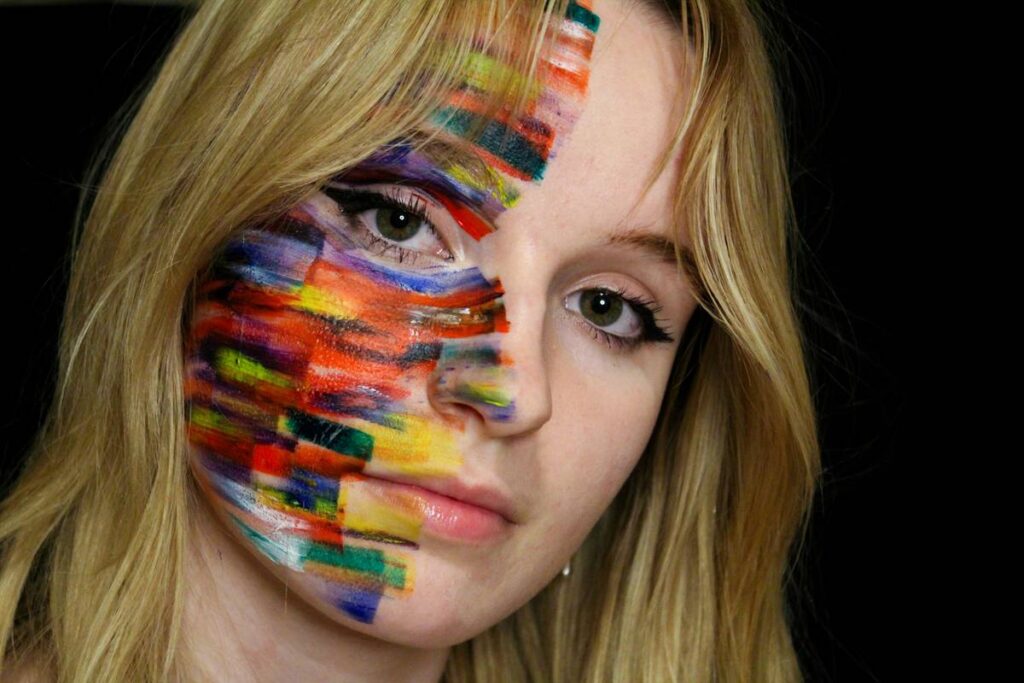
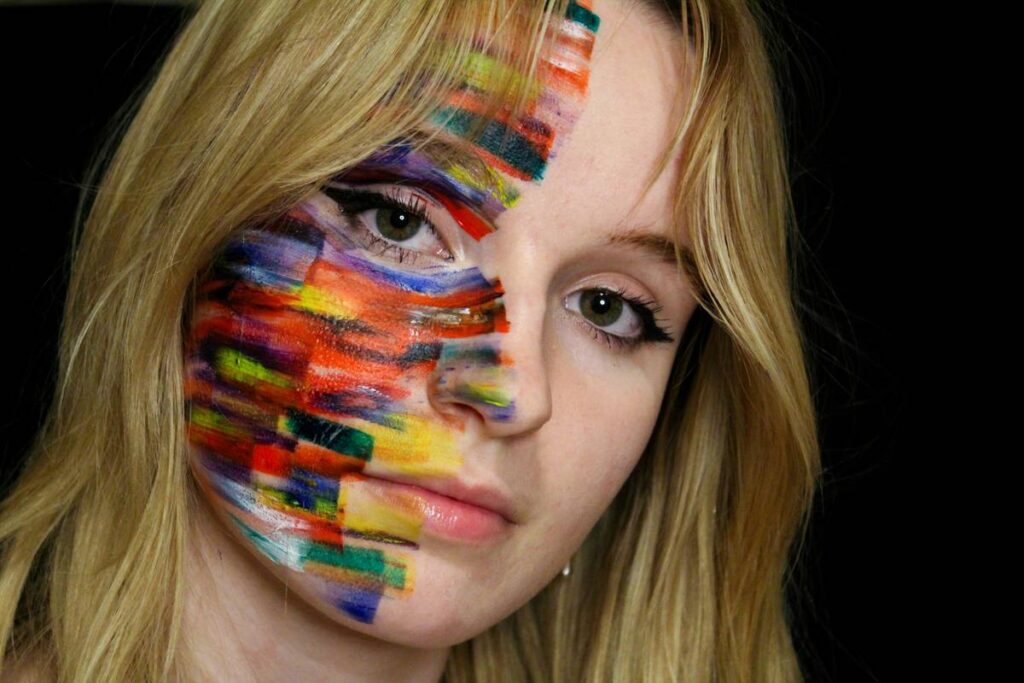
Ever spent hours crafting an avant-garde look only to watch it melt under stage lights or get dismissed as “just shock value” by industry insiders? You’re not alone. In the high-stakes world of runway makeup, boundary pushing makeup isn’t just about glitter and geometry—it’s a precise balance of artistry, technical execution, and strategic risk-taking. This guide breaks down how top artists navigate that razor-thin line between groundbreaking and gimmicky, so you can innovate with confidence—not chaos.
Table of Contents
- Why Boundary Pushing Makeup Matters
- Step-by-Step: Creating Runway-Ready Looks
- Pro Tips for Bold Beauty
- Real-World Case Studies
- FAQs
Key Takeaways
- True innovation in boundary pushing makeup requires structural integrity—form must follow function.
- Prep, setting, and lighting compatibility are non-negotiable for runway longevity.
- Reference credible sources like the FDA’s cosmetic guidelines to ensure safety amid experimentation.
- Avoid “more is more” thinking—clarity often trumps clutter in avant-garde contexts.
Why Boundary Pushing Makeup Matters
In fashion’s most experimental spaces, makeup transcends enhancement—it becomes commentary. But without discipline, even the boldest vision collapses. I once layered six textures on a model’s face for a Berlin Fashion Week show, convinced the contrast would read as “cybernetic elegance.” By the second walk, half of it had migrated into her eyebrows. Lesson learned: audacity needs adhesion.

The stakes are real. According to the U.S. Food and Drug Administration (FDA), while cosmetics don’t require pre-market approval, manufacturers remain legally responsible for safety—a crucial reminder when using unconventional materials like metal leaf or theatrical adhesives (FDA Cosmetic Labeling Guide). Avant-garde doesn’t mean unsafe.
Step-by-Step: Creating Runway-Ready Looks
1. Start With Skin Architecture
Map facial planes before adding color. Use contour not to slim, but to create new topographies—think sharp ridges instead of soft shadows.
2. Choose Pigments Strategically
Pigment load matters. Professional-grade loose powders (e.g., Mehron Paradise AQ) offer intensity without caking. Mix with silicone-based mixing mediums for transfer resistance.
3. Lock It In—Twice
After foundation, set with translucent powder. After final pigment application, mist with a high-hold setting spray (like Ben Nye Final Seal), then gently press with tissue to remove excess moisture without disturbing design.
4. Test Under Real Lighting
Runway lights run hot—around 5600K. Rehearse under similar conditions. What reads dramatic backstage may vanish or flare under stage illumination.
Pro Tips for Bold Beauty
- Less product, more precision: A single sharp line of iridescent gel liner often impacts more than chaotic splatter.
- Negative space is your ally: Strategic bare skin creates visual breathing room and elevates complexity.
- Avoid this terrible tip: “Just glue rhinestones anywhere!” Without proper adhesive prep (use medical-grade spirit gum, not craft glue), you risk skin irritation and mid-show fallout.
- Pet peeve rant: Stop calling every smudged eyeliner “avant-garde.” Intentionality separates art from accident. Blurry edges only work when they serve the concept—not when they’re a cover-up for shaky hands.
Real-World Case Studies
At Alexander McQueen’s Fall 2023 show, lead makeup artist Isamaya Ffrench deployed boundary pushing makeup using 3D-printed silicone appliqués fused seamlessly to models’ temples. The pieces lasted all three shows because they were bonded with medical adhesive and tested over 12-hour wear trials.
Conversely, a lesser-known indie designer’s 2022 presentation used water-soluble face paints under hot lights—resulting in models with streaked, tear-streaked cheeks by finale. The difference? Rigorous prototyping. True innovation is repeatable, not just surprising.
For deeper insight into industry standards, refer to the Professional Makeup Artist Handbook, which details material safety and application protocols used by backstage teams globally.
FAQs
What defines true boundary pushing makeup versus just weird makeup?
Intent and execution. True innovation communicates a clear idea through deliberate technique—not randomness. If you can explain why every stroke exists, you’re on the right track.
Can beginners attempt runway-style looks?
Absolutely—but start small. Recreate one element (e.g., graphic liner or sculpted blush) from a show you admire. Build skill before layering complexity. Our team at Experts on Demand began exactly there.
How do I keep experimental makeup from irritating skin?
Always patch-test 48 hours ahead. Stick to cosmetic-grade pigments. Avoid household items (charcoal, food dye)—they aren’t formulated for dermal use. Review ingredient transparency via trusted databases like EWG’s Skin Deep.
Is boundary pushing makeup wearable off the runway?
Elements absolutely translate. Try a single architectural brow or monochromatic highlight instead of full-face sculpture. Adaptation > imitation.
Where can I learn advanced techniques safely?
Enroll in accredited courses through institutions like Make-Up Designory (MUD) or online platforms vetted by industry bodies. Never rely solely on viral TikTok hacks—they rarely disclose material risks.
Does using unusual materials void cosmetic safety rules?
If those materials contact skin, yes—they fall under cosmetic regulation. Always verify compliance. When in doubt, consult our privacy and safety guidelines.
Ready to redefine your artistry without risking your reputation (or your model’s skin)? The runway rewards courage—but only when backed by craft. Reach out to our team for personalized coaching in avant-garde techniques that last beyond the first spotlight.
Remember: Great makeup doesn’t scream for attention. It leans in and whispers, “You’ve never seen this before.”