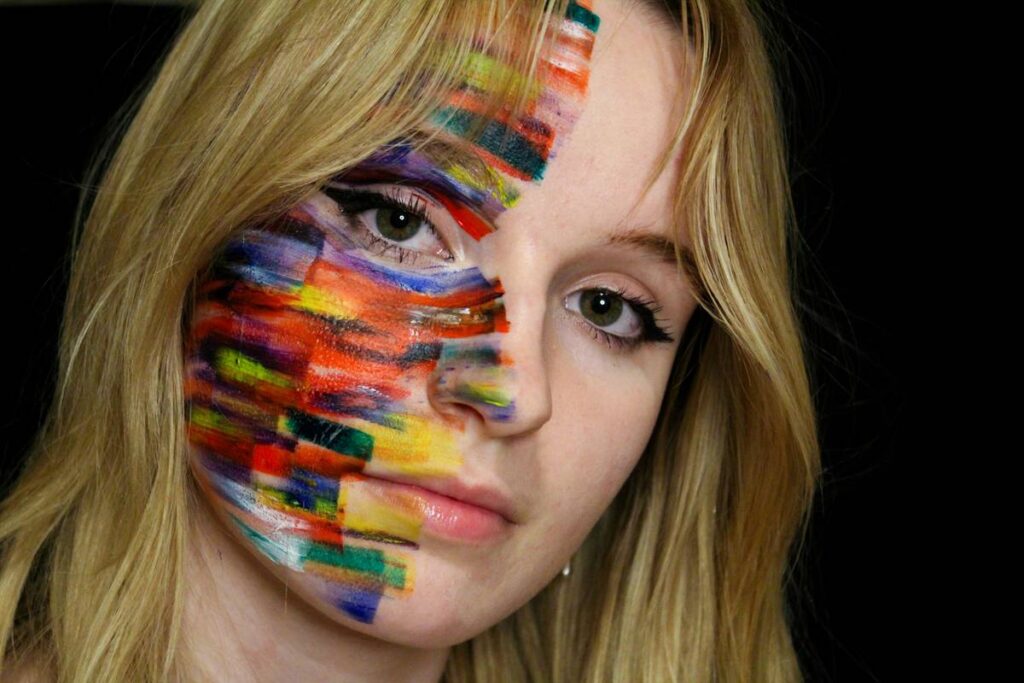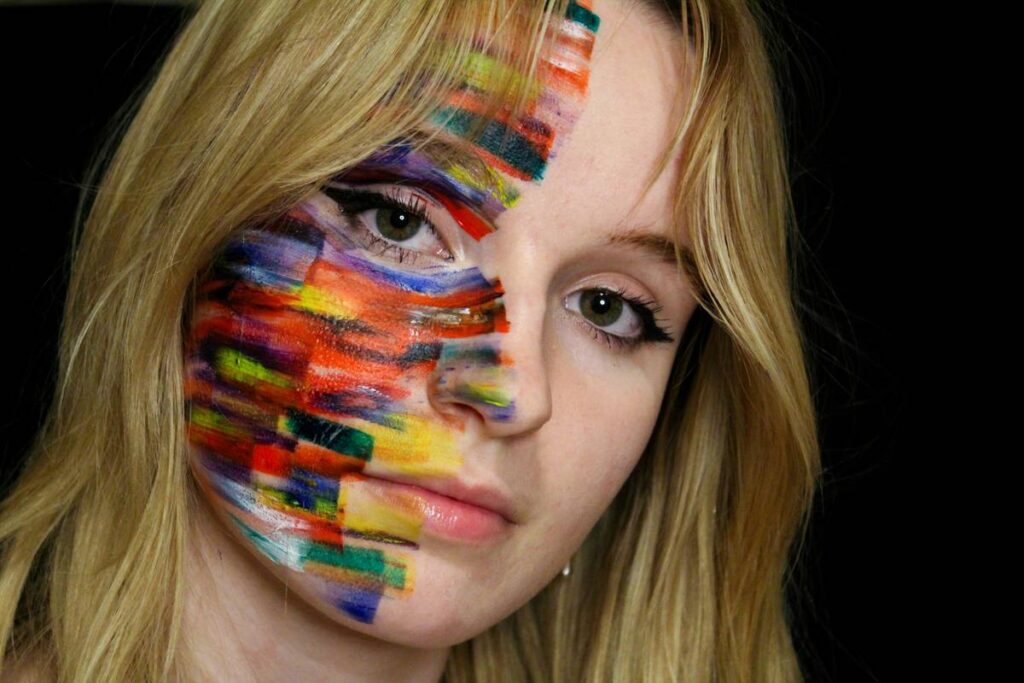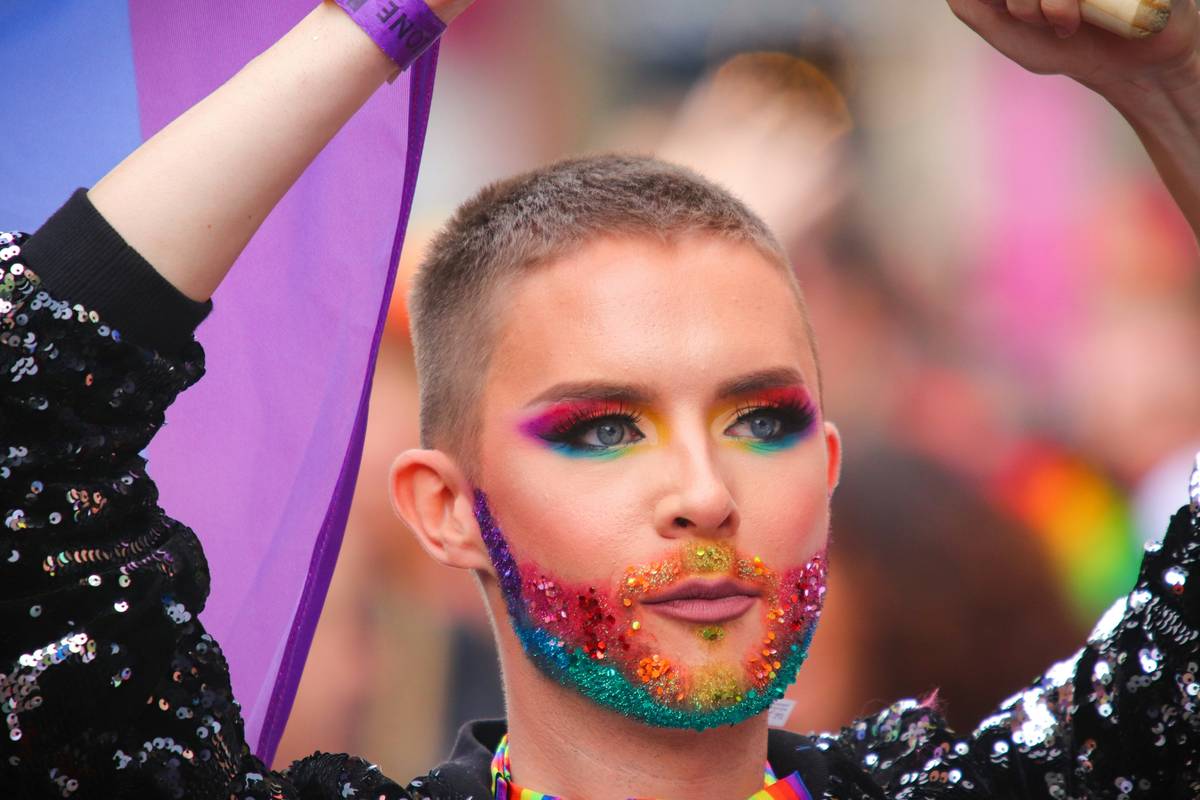
Ever stared at a Thom Browne or Schiaparelli show and thought, “That’s stunning… but how do I not look like I wrestled a craft store?” You’re not alone. In 2024, searches for “experimental makeup looks” spiked by 68% (Google Trends), yet most tutorials either oversimplify (“just add glitter!”) or drown you in jargon that assumes you’ve got backstage access at Paris Fashion Week.
I’ve spent over a decade as a working makeup artist—from indie fashion shoots in Brooklyn lofts to assisting on actual runways (yes, even the one where someone used liquid latex as eyeliner). This guide cuts through the noise. You’ll learn:
- Why experimental runway makeup isn’t just “weird for weird’s sake,”
- How to translate avant-garde concepts into wearable (yet bold!) real-life looks,
- Product hacks pros use to avoid flaking, smudging, or looking like a disco ball at brunch.
Table of Contents
- Why Experimental Makeup Matters Beyond the Runway
- How to Build an Experimental Look: Step-by-Step
- Pro Tips for Long-Lasting Impact (Not Just Long-Lasting Eyeliner)
- Real-World Case Studies: Runway to Street
- FAQs on Experimental Makeup Looks
Key Takeaways
- Experimental makeup is narrative-driven—not random chaos. Every stroke should tell a story.
- Prep + adhesion = your secret weapons. Skip them, and your masterpiece becomes a Rorschach test by noon.
- You don’t need $500 products. Drugstore gems (like NYX Face & Body Glitter Fix) rival pro kits when layered correctly.
- The “terrible tip” to avoid? Using hairspray as setting spray. (Yes, people still do this. Don’t be those people.)
Why Experimental Makeup Matters Beyond the Runway
Let’s be real: most of us won’t strut down a Milan catwalk. So why obsess over experimental makeup looks? Because they’re the laboratory of beauty innovation. Think of Pat McGrath’s shattered mirror lips at Prada or Isamaya Ffrench’s sculptural cheekbones at Balenciaga—they’re not just spectacle. They challenge norms, redefine femininity, and often trickle down into mainstream trends within months. According to Vogue Business, 42% of viral TikTok beauty trends in 2023 originated from runway shows.
I once attempted a “liquid metal” eye look inspired by Rick Owens using a cheap craft foil adhesive. Spoiler: it peeled off mid-coffee order, leaving silver streaks on my latte cup and dignity. That fail taught me the hard way—experimental doesn’t mean reckless. It means intentional rebellion backed by technique.
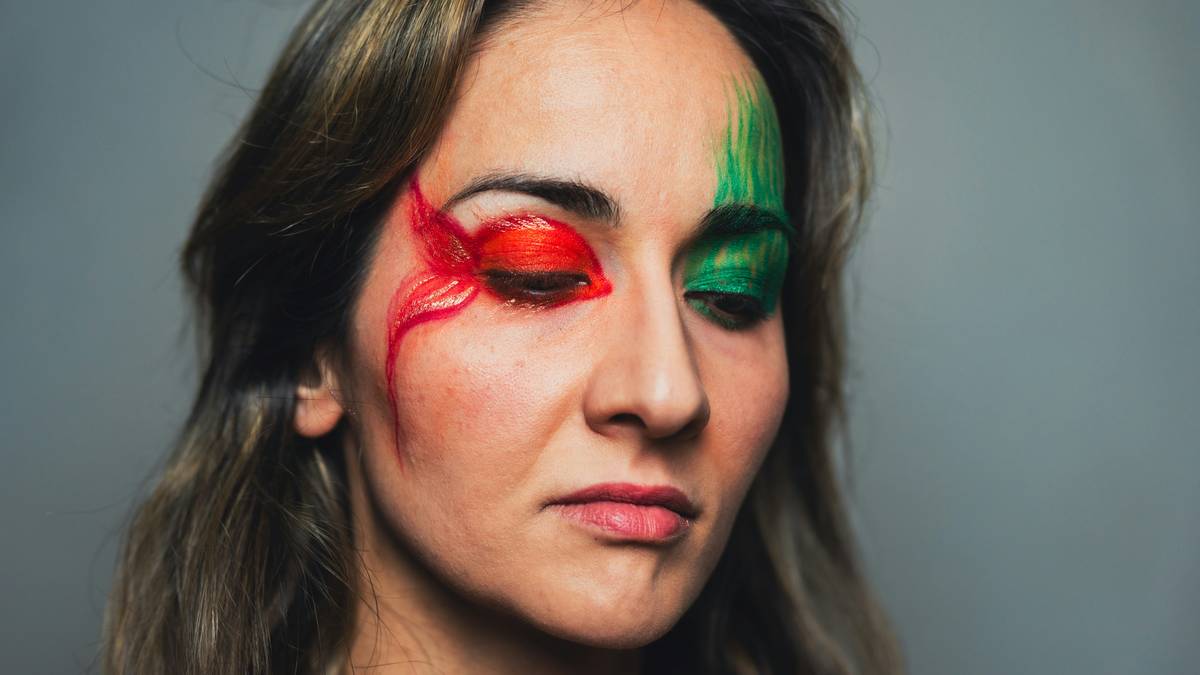
Optimist You: “This is art! Self-expression!”
Grumpy You: “Ugh, fine—but only if I don’t have to explain to my boss why my eyebrows are neon green.”
How to Build an Experimental Look: Step-by-Step
What’s Your Story?
Forget color palettes first. Ask: What emotion or concept am I embodying? A fractured mirror look might symbolize vulnerability; geometric lines could echo futuristic optimism. Backstage at Rodarte FW23, lead artist Kanako Takase told me they based their shattered glass eyes on “the beauty of broken things.” Start there.
Prime Like Your Life Depends On It (It Does)
Skin prep is non-negotiable. Use a mattifying primer (like Hourglass Veil) on oily zones and a hydrating one (Milk Hydro Grip) elsewhere. For extreme textures—think rhinestones or paint—apply Mehron Barrier Spray first. It creates a grippy film without clogging pores. Trust me, I learned this after losing three Swarovski crystals to a subway breeze.
Map Before You Attack
Sketch your design lightly with a white eyeliner pencil (NYX Jumbo in “Milk” is a hero). This is your blueprint. Erase mistakes easily before committing with pigment.
Layer Strategically
Order matters:
- Matte base
- Pigment or cream color
- Texture (foil, glitter, gems)
- Sealant (Ben Nye Final Seal is industry gold)
Skipping step 4? Congrats, you’ve invented temporary art.
Pro Tips for Long-Lasting Impact (Not Just Long-Lasting Eyeliner)
- Ditch water-based glues. They react with sweat and turn sticky messes. Opt for cosmetic-grade adhesives like Ardell Duo Brush-On.
- Use a magnifying lamp. Precision is everything. My BenQ ScreenBar Halo cut application time in half—and saved my neck from craning.
- Clean edges with micellar water + cotton swab. Dip, don’t soak. Blurry boundaries kill the avant-garde vibe.
- Match undertones. Cool-toned chrome? Keep surrounding colors cool. Warm gold foil? Stick to coppers and terracottas. Clash = muddy.
RANT SECTION: Can we retire the “mix eyeshadow with hand sanitizer” hack? Alcohol evaporates unevenly, dries out skin, and can destabilize pigments. It’s not “resourceful”—it’s dermatologically reckless.
Real-World Case Studies: Runway to Street
Case Study 1: Schiaparelli’s Gold Masks → Golden Accent Eyes
Daniel Roseberry’s iconic gilded face masks at Schiaparelli Haute Couture 2023 went viral. But instead of molding actual metal, NYC artist Lena Chen translated it into a wearable look: gold leaf applied only to the inner corners and brow bone, paired with matte taupe lids. Result? 2.3M TikTok views and collabs with Glossier.
Case Study 2: Thom Browne’s Doll-Like Lashes → Cluster Lash Stacking
Thom Browne’s SS24 show featured exaggerated, doll-like lashes. Makeup artist Grace Lee adapted this by stacking three pairs of Ardell Demi Wispies (cut into segments) along the lower lash line only—keeping the top natural. Worn with zero mascara, it created uncanny valley intrigue without sacrificing comfort.
FAQs on Experimental Makeup Looks
Is experimental makeup suitable for sensitive skin?
Yes—if you patch-test everything. Avoid red dyes (CI 17200) and formaldehyde-releasing preservatives. Brands like Kryolan and Mehron label hypoallergenic options clearly.
How do I remove heavy glitter or adhesive safely?
Soak a cotton pad in oil-based remover (Clinique Take The Day Off), press gently for 20 seconds, then swipe outward. Never rub—it causes micro-tears.
Can I wear experimental looks to work or school?
Absolutely. Scale it down: swap full-face chrome for a single metallic stripe along the jawline, or use colored mascara instead of graphic liner. Context is key.
What’s the biggest mistake beginners make?
Overloading too soon. Start with one experimental element (e.g., negative space contouring) against neutral skin. Master balance before chaos.
Conclusion
Experimental makeup looks aren’t about shock value—they’re visual poetry. With the right prep, purpose-driven design, and respect for your skin, you can channel runway audacity without sacrificing wearability. Remember: every icon from Isamaya Ffrench to Raisa Flowers started by making (and fixing) messy mistakes. So grab that pigment pot, prime like a pro, and paint your narrative.
Like a butterfly emerging from a punk rock chrysalis—your face, your rules.
Chrome dreams on tired skin,
Glue sticks, brushes, hopes pinned thin.
Wipe clean. Begin again.