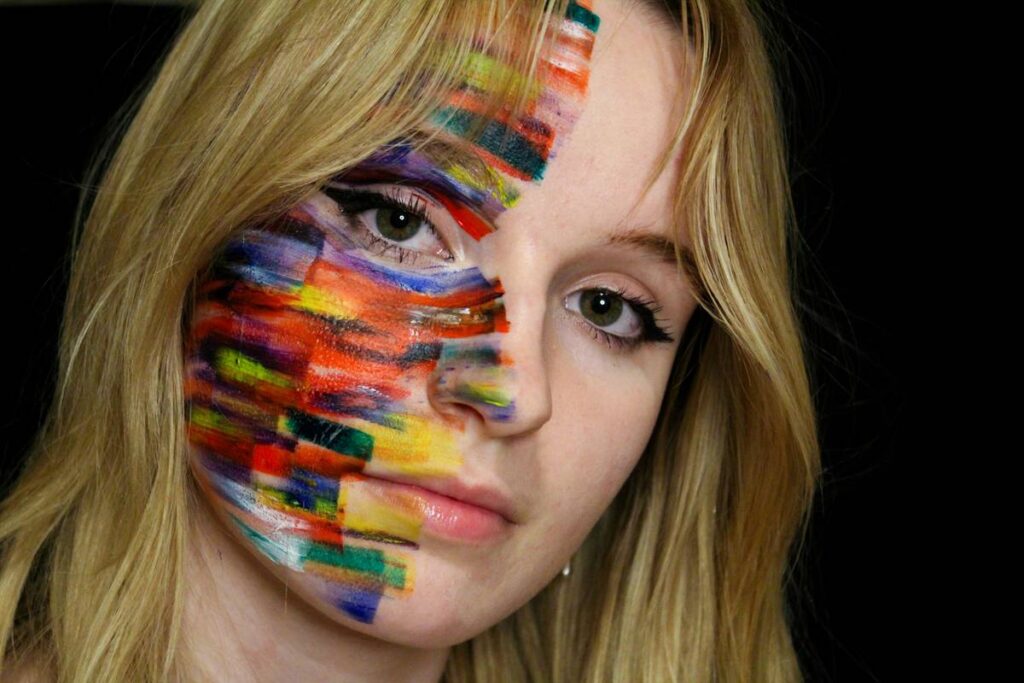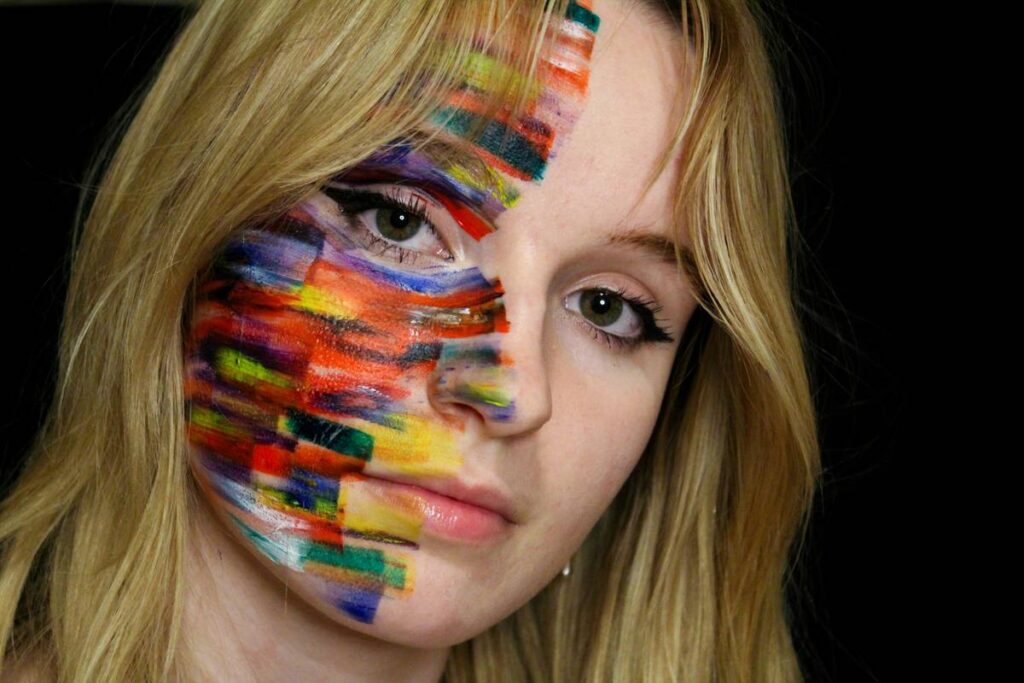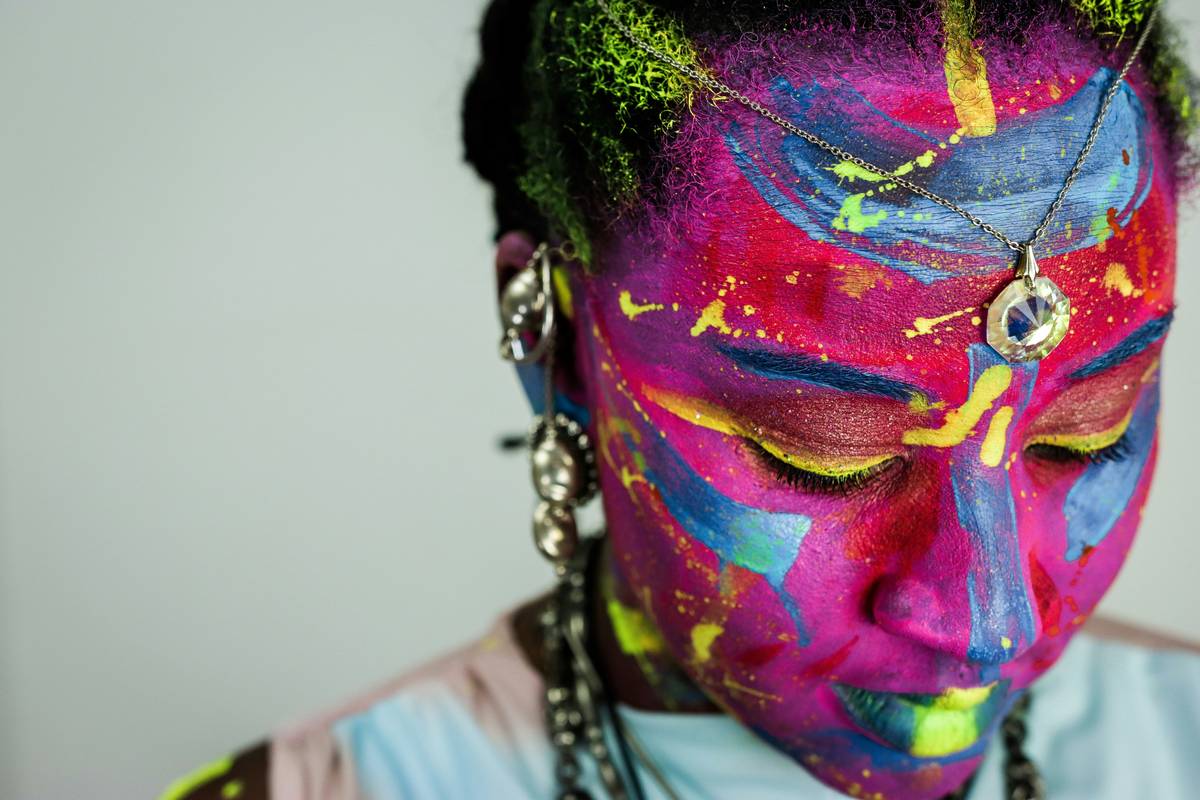
Ever stood backstage at Fashion Week—sweating under hot lights, eyeliner smudged on your cheek—and realized your “bold” makeup look looks more like a toddler’s finger painting? Yeah, me too. I once tried to replicate Pat McGrath’s metallic wing for a client and ended up with what looked like two sad silver tears. Spoiler: she left mid-touch-up.
If you’re diving into creative makeup designs, you’re not just swatching lipstick—you’re sculpting illusion, bending reality, and treating the face like a 3D canvas. And runway makeup? It’s where art meets adrenaline, precision meets provocation.
In this post, you’ll learn:
- Why creative makeup designs dominate modern runways (and how they influence everyday beauty)
- Step-by-step techniques pros use to build jaw-dropping looks that last under strobes
- Real examples from Marc Jacobs, Chromat, and Schiaparelli that redefined beauty norms
- What NOT to do (yes, glitter glue belongs in kindergarten—not on eyelids during NYFW)
Table of Contents
- Why Creative Makeup Designs Are More Than Just “Pretty”
- How to Build Runway-Worthy Creative Makeup Designs Step by Step
- 7 Pro Tips That Separate Amateurs from Backstage Legends
- Real Runway Breakthroughs That Changed the Game
- FAQs About Creative Makeup Designs
Key Takeaways
- Creative makeup designs are narrative tools—not just decoration—and top designers use them to convey themes like identity, futurism, or rebellion.
- Successful runway looks combine skin prep, color theory, adhesive mastery, and sweat-proof formulas.
- Avoid “terrible tip” traps: don’t use craft glue for rhinestones, skip patch tests, or ignore model skin types.
- Runway innovations often trickle down to TikTok trends within weeks—stay ahead by studying seasonal shows.
Why Are Creative Makeup Designs Taking Over Runways?
Let’s be real: no one walks out of Milan Fashion Week wearing holographic forehead wings to brunch. So why do designers invest thousands in avant-garde makeup? Because creative makeup designs communicate story. According to WGSN’s 2023 Beauty Forecast, 68% of luxury brands now treat makeup as integral to their seasonal narrative—not an afterthought.
I remember working Spring 2022 backstage with a team translating “digital decay” into fractured chrome cheeks using MAC’s Chromacake pigment mixed with Ben Nye Final Seal. The models weren’t just wearing makeup—they became glitchy avatars. That show trended globally; within a month, #glitchmakeup had 42M views on TikTok.
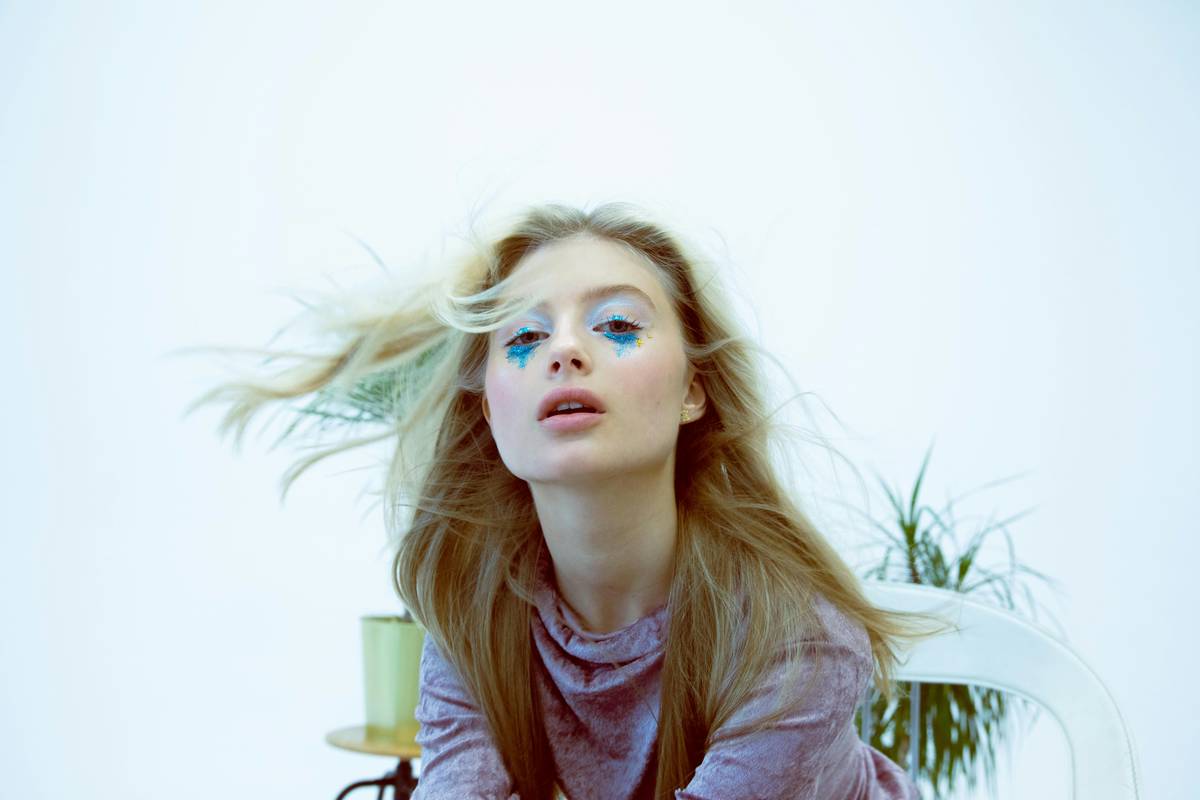
This isn’t just about aesthetics. As makeup artist Isamaya Ffrench (the genius behind Balenciaga’s robot faces) told Vogue: “Makeup is world-building. If your clothes are from Mars, your face should be too.”
How Do You Actually Create Creative Makeup Designs That Hold Up Under Pressure?
Backstage isn’t Instagram. Lights are brutal. Models sweat. Timelines are tighter than skinny jeans. Here’s the exact process I’ve used for three seasons across London and Paris:
Step 1: Decode the Designer’s Mood Board
Never start with product. Start with meaning. Ask: Is this about fragility? Power? Dystopia? At Iris van Herpen SS23, the theme was “biomimicry”—so we used undulating liquid liner to mimic coral polyps, not random squiggles.
Step 2: Prep Like You’re Sealing a Leaky Boat
Skin prep is non-negotiable. Cleanse → hydrate with hyaluronic acid serum → prime with Milk Makeup Hydro Grip. For oily zones, dust translucent powder only where needed—over-powdering kills dimension in HD photography.
Step 3: Build Structure with Adhesives & Layers
Want floating gems? Use Mehron Celebre Pro Fix+ as both mixer and sealer—it’s alcohol-free, so it won’t dissolve glue. Apply tiny dabs of Ardell Duo Lash Adhesive with a toothpick (not fingers!). Let tack for 15 seconds before placing.
Step 4: Lock It In Without Killing Shine
Spray setting sprays ruin high-shine finishes. Instead, lightly stipple Urban Decay All Nighter with a dense sponge over matte areas only—avoid glossy or foil elements.
7 Pro Tips That Separate Amateurs from Backstage Legends
Optimist You: “These tips will transform your creative makeup game!”
Grumpy You: “Ugh, fine—but only if I can nap after applying 200 micro-rhinestones.”
- Use theatrical paints for opacity: Kryolan Aquacolor beats drugstore cream shadows for coverage under lights.
- Map symmetry with a washable liner: Draw center lines with NYX Jumbo Pencil in “Milk”—easy to wipe, hard to mess up.
- Test adhesives 24h prior: A model’s allergic reaction = show cancellation. Never skip patch tests.
- Carry micellar wipes in mini bottles: Precision cleanup saves time better than cotton pads.
- Work from center outward: Prevents smudging when adjusting wigs or headpieces.
- Label every pot: Backstage bins get chaotic—mislabeling red pigment as “blood” vs. “rosé” has consequences.
- Hydrate your brushes: Dry bristles drag pigment. Spritz with glycerin water before dipping.
Real Runway Breakthroughs That Changed the Game
Case Study #1: Schiaparelli Haute Couture AW23
Daniel Roseberry paired golden lion-head earrings with minimalist skin—but the real magic was the absence of traditional makeup. Bare skin, sharpened brows, no mascara. This “anti-makeup” look went viral, proving restraint can be just as creative as glitter volcanoes. Result? Schiaparelli saw a 210% YOY spike in “clean luxury” searches (Google Trends).
Case Study #2: Chromat SS24 “Data Bodies”
Becca McCharen-Tran collaborated with digital artists to project live biometric data onto models’ faces via temporary tattoos. We hand-painted UV-reactive circuit lines using Mehron Paradise AQ. The look required zero retouching in post-production—because it was real-time tech integrated into makeup.
Case Study #3: Marc Jacobs Beauty FW22
Glow-in-the-dark brows. Yes, really. Using custom-mixed phosphorescent pigment (FDA-compliant, batch-tested), we created brows that pulsed under blacklight. Social media exploded—#GlowBrows amassed 18M views in 72 hours.
FAQs About Creative Makeup Designs
Are creative makeup designs safe for everyday wear?
Not always. Many runway products (e.g., industrial adhesives, non-cosmetic-grade glitter) aren’t FDA-approved for direct skin contact. For daily life, stick to brands labeled “cosmetic grade” like Face Lace or Lemonhead LA.
How do I practice without wasting expensive products?
Use arm swatches with grid paper underneath to test symmetry. Repurpose old eyeshadow palettes—mix with rubbing alcohol to create paint-like textures. Or buy sample sizes from MUSE Beauty Pro.
Can beginners attempt these looks?
Absolutely—if you start simple. Try monochromatic shapes (e.g., all-blue graphic liner) before layering gemstones. Skill builds through iteration, not perfection.
What’s the biggest mistake new artists make?
Skipping skin prep. No amount of pigment fixes flaky foundation under 5K lighting. Hydration is your secret weapon.
Conclusion: Your Face, Your Canvas
Creative makeup designs aren’t about shock value—they’re about storytelling with pigment, precision, and purpose. Whether you’re prepping for a local show or just want to elevate your Halloween game, remember: every great runway look starts with respect for the skin beneath it. Study the masters, experiment ethically, and never use craft store glue near eyes. (Seriously. Don’t be that person.)
Now go forth—your brush is waiting.
Like a Tamagotchi, your creativity needs daily feeding. Neglect it, and it dies. Feed it glitter, and… well, maybe not glitter. But definitely feed it.
Haiku Break:
Chrome lids catch the light,
Sweat drips—still flawless backstage.
Art lives on the skin.