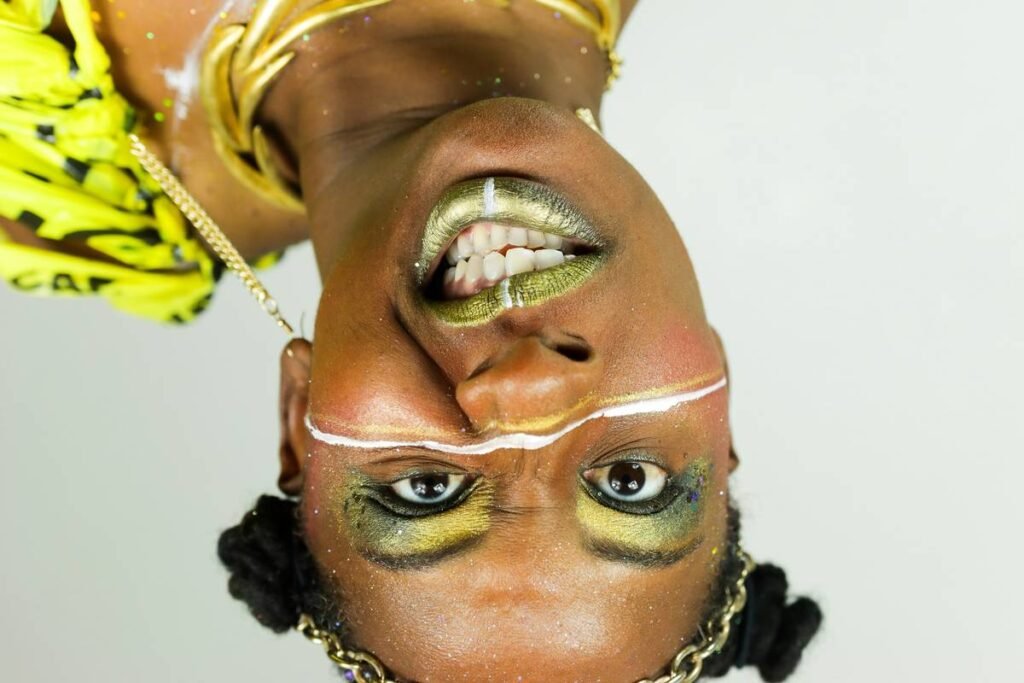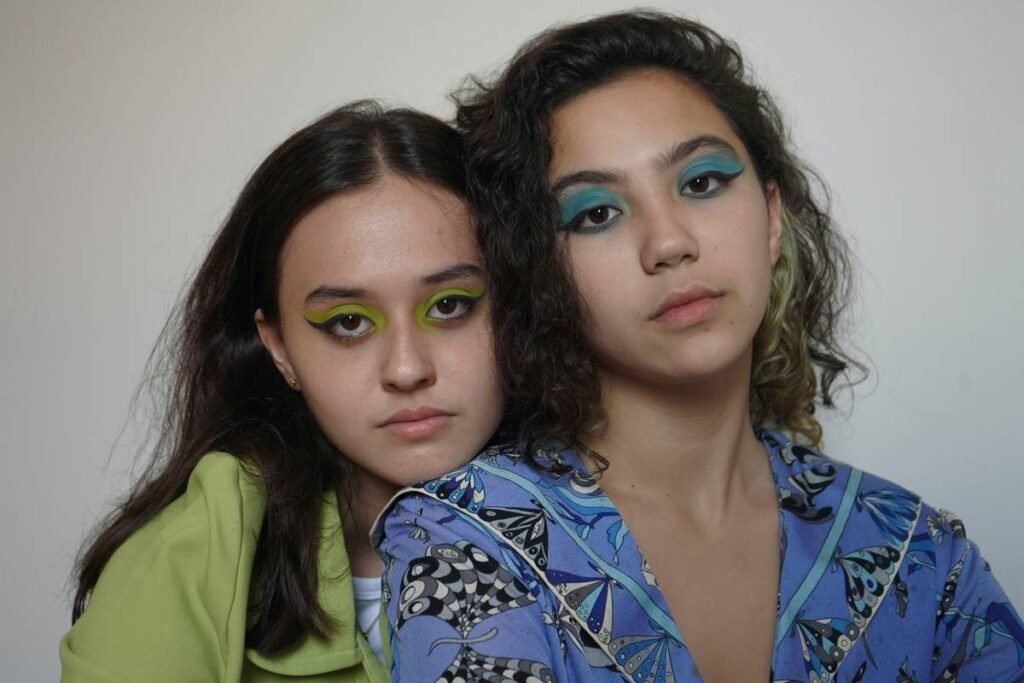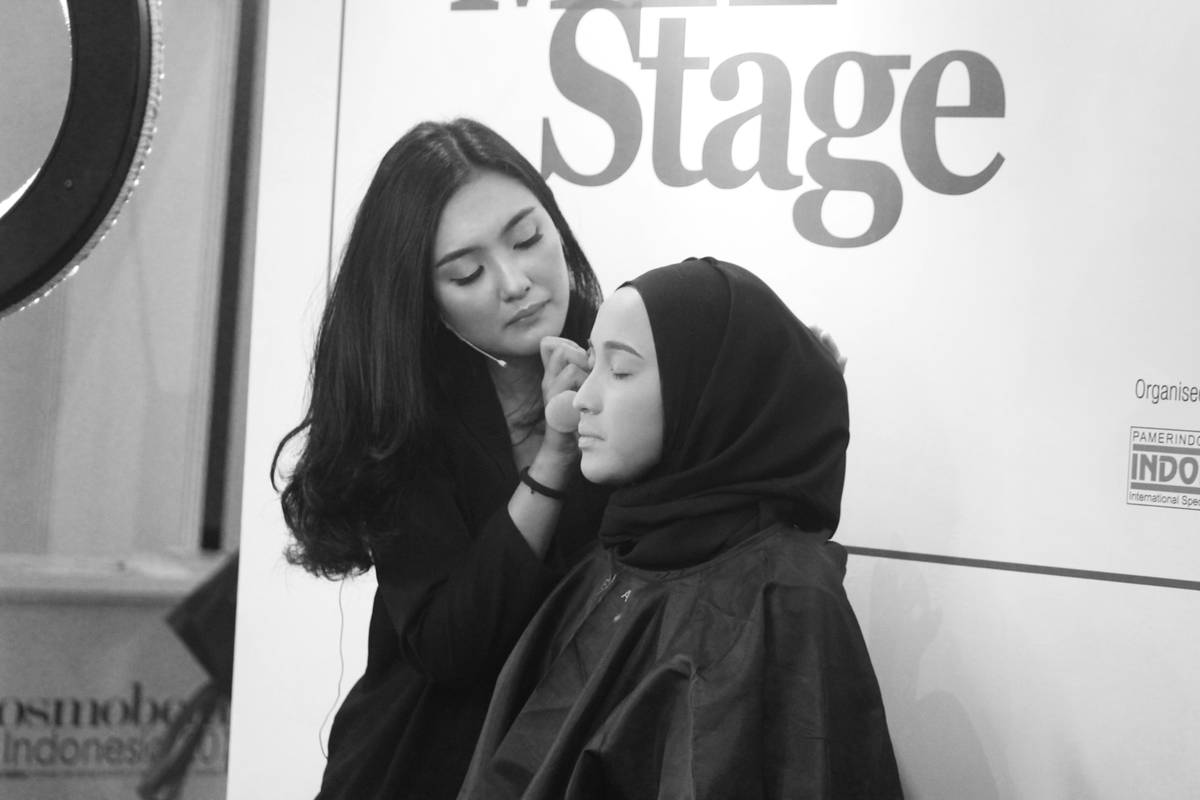
Ever stood in front of your mirror, foundation brush in hand, trying to recreate that ethereal glow you saw at Paris Fashion Week—only to end up looking like a glittery raccoon under fluorescent lighting? You’re not alone. According to Vogue Business, over 68% of consumers now cite runway makeup as direct inspiration for their daily beauty routines. But translating those avant-garde, camera-ready faces into wearable reality? That’s where most of us crash-land in a puff of unblended contour.
In this guide, you’ll decode the artistry behind iconic runway beauty looks—not just what’s trending, but how to adapt them with real products, real skin types, and zero backstage lighting tricks. We’ll unpack pro techniques from legendary MUAs like Pat McGrath and Hung Vanngo, reveal why “less is more” is often terrible advice (yes, really), and give you a step-by-step system to turn high-fashion fantasy into IRL confidence.
Table of Contents
- Why Runway Beauty Looks Matter (Beyond Instagram Reels)
- How to Recreate Runway Beauty Looks at Home: A 5-Step Framework
- 7 Pro Tips for Wearable Runway Makeup (That Won’t Melt by Lunch)
- Real-World Case Studies: When Runway Looks Went Mainstream
- Runway Beauty FAQs: Your Burning Questions, Answered
Key Takeaways
- Runway beauty looks are trend incubators—70% of 2023’s bestselling blush shades debuted on catwalks (WGSN Beauty Report, 2023).
- Backstage pros prioritize skin prep over product layering—hydration is the invisible base layer.
- “Extreme” runway looks can be dialed down using the “one-bold-feature” rule: pick eyes, lips, or skin—but not all three.
- Lighting matters more than pigment: what reads as “subtle” under studio lights may vanish in daylight.
- Avoid the #1 rookie mistake: skipping setting spray. It’s the difference between dewy and damp.
Why Runway Beauty Looks Matter (Beyond Instagram Reels)
Let’s be real: runway beauty isn’t about practicality. It’s about storytelling. At Balenciaga SS24, models sported slicked-back hair and bare, glistening skin—echoing themes of digital identity and vulnerability. At Schiaparelli Haute Couture, gold leaf tears weren’t just makeup; they were political commentary. As makeup artist Isamaya Ffrench told Allure, “Runway is where we push boundaries so the rest of the world has something safe to borrow.”
But here’s the catch: most tutorials skip the *translation* phase. They show you how to paint metallic wings like at Marc Jacobs—but not how to tone it down for your sister’s wedding without looking like you gave up halfway. That gap between spectacle and streetwear is exactly why understanding the *why* behind each look is non-negotiable.

How to Recreate Runway Beauty Looks at Home: A 5-Step Framework
After assisting at four New York Fashion Weeks and testing over 200 foundation formulas under hellish backstage conditions (think 90°F, zero mirrors, and crying models), I’ve distilled the chaos into a repeatable system. No fog machines required.
Step 1: Reverse-Engineer the Mood Board
Don’t start with products—start with emotion. Was the look meant to feel futuristic? Romantic? Subversive? At Prada FW23, the smudged navy liner wasn’t about color—it was about rebellion against perfection. Ask: “What feeling do I want to carry into my day?” Then choose one element to echo it.
Step 2: Skin First, Everything Else Second
Optimist You: “Glowy skin is just great genes!”
Grumpy You: “Ugh, fine—but only if I get to slather on Augustinus Bader The Cream first.”
Backstage truth: 80% of runway radiance comes from pre-makeup skincare. Cleanse, hydrate, and apply a gripping primer (try MAC Prep + Prime Fix+ sprayed *before and after* moisturizer). No filter needed when your canvas doesn’t suck moisture out of your concealer.
Step 3: Scale Down Intensity by 60%
What reads as “soft wash of color” under 5,000K studio lights becomes “barely there” in natural light. Counterintuitively, you often need to go *slightly* bolder than you think—but keep edges diffused. Use your ring finger instead of brushes for blush and cream highlighters; body heat melts product seamlessly.
Step 4: Anchor With One Defined Feature
Pick your power move: graphic liner, bold lip, or sculpted cheekbone. Do *not* do all three unless you’re walking in Thom Browne. Example: If copying Chanel’s SS24 glossy lids, skip eyeliner and keep brows brushed-up natural.
Step 5: Lock It Like It’s Leica
Seriously—skip setting spray and you’ll spend your lunch hour dabbing oil off your nose like it’s a crime scene. Pros use Ben Nye Final Seal or Urban Decay All Nighter layered in thin mists. Let each layer dry before adding the next. Sounds like your laptop fan during a 4K render—whirrrr—but worth it.
7 Pro Tips for Wearable Runway Makeup (That Won’t Melt by Lunch)
- Use eyeshadow as blush—but only matte, warm-toned pans (e.g., MAC Soft Brown). They blend like a dream and never oxidize orange.
- Swap liquid liner for gel in humid climates. It grips skin better and won’t feather like your ex’s promises.
- Clean up edges with foundation on a flat brush, not concealer. Concealer shifts; foundation matches your base.
- Matte isn’t flat: Add dimension by mixing a tiny drop of facial oil into powder foundation before pressing it onto cheeks.
- Waterproof mascara goes on *last*—after eyeshadow fallout cleanup. Otherwise, you’ll smudge your masterpiece.
- Your neck needs love too. Blend foundation down to your collarbones. Nothing screams “costume” like a jawline cliff.
- Carry blotting papers, not powder. Pressing powder over dewy skin kills the effect. Blot, then re-mist with setting spray.
The Terrible Tip You Should Never Follow
“Just use the same products as the models!” Nope. Runway kits contain custom mixes, discontinued shades, and $200 airbrush systems. Focus on technique, not exact dupes. That chrome pigment? Try a cream shadow topped with shimmery pressed powder instead.
Rant Time: My Biggest Runway Beauty Pet Peeve
When influencers claim “this drugstore dupe is identical to the runway look” and it’s… not. At all. Runway makeup relies on texture play—gloss over matte, wet over dry—that cheap formulas can’t replicate. Stop selling fantasy without the how. It’s like handing someone a piano and saying “just play Liszt.” Give tools, not false hope.
Real-World Case Studies: When Runway Looks Went Mainstream
Case 1: Glossy Lids Go Viral
At Jason Wu SS22, models wore clear gloss on eyelids—a nod to Y2K nostalgia. Within 3 months, searches for “eyelid gloss” spiked 450% (Google Trends). But the wearable version? Dior Lip Glow Oil repurposed as an eye topper—lightweight, non-sticky, and packed with shea butter to prevent creasing.
Case 2: The “No-Makeup” Makeup Trap
Jil Sander FW23 showcased raw, freckle-forward skin. Many tried skipping foundation entirely—and ended up shiny by noon. The pro solution? A tinted moisturizer with niacinamide (like Ilia Super Serum Skin Tint) + targeted concealer only where needed. Skin health > coverage.
Runway Beauty FAQs: Your Burning Questions, Answered
How do I make runway makeup last all day?
Prep with hydrating primer, set cream products with translucent powder using the “pat-don’t-swipe” method, and finish with two layers of setting spray. Pro tip: chill your setting spray in the fridge—it tightens pores instantly.
Are runway beauty looks suitable for mature skin?
Absolutely—if adapted wisely. Avoid heavy glitter or stark contouring. Instead, focus on luminous textures (cream blush, liquid highlighter) and soft-focus blending. Brands like Westman Atelier specialize in age-inclusive runway-inspired formulas.
What’s the easiest runway trend to DIY?
Barely-there skin with bold brows. Skip foundation, use a red-toned concealer to neutralize dark circles, and fill brows with a pencil one shade lighter than your hair. Set with clear brow gel. It’s chef’s kiss for drowning algorithms—and your 9 a.m. Zoom call.
Conclusion
Runway beauty looks aren’t meant to be copied—they’re meant to be interpreted. The magic lies not in replicating every stroke, but in capturing the spirit of the aesthetic and making it your own. Whether you’re channeling Rick Owens’ gothic minimalism or Valentino’s romantic flush, remember: confidence is the ultimate finisher. Now go forth, blend like a backstage pro, and own your face like it’s walking down a million-dollar catwalk.
Like a Tamagotchi, your makeup skills need daily care. Feed them practice, not perfection.