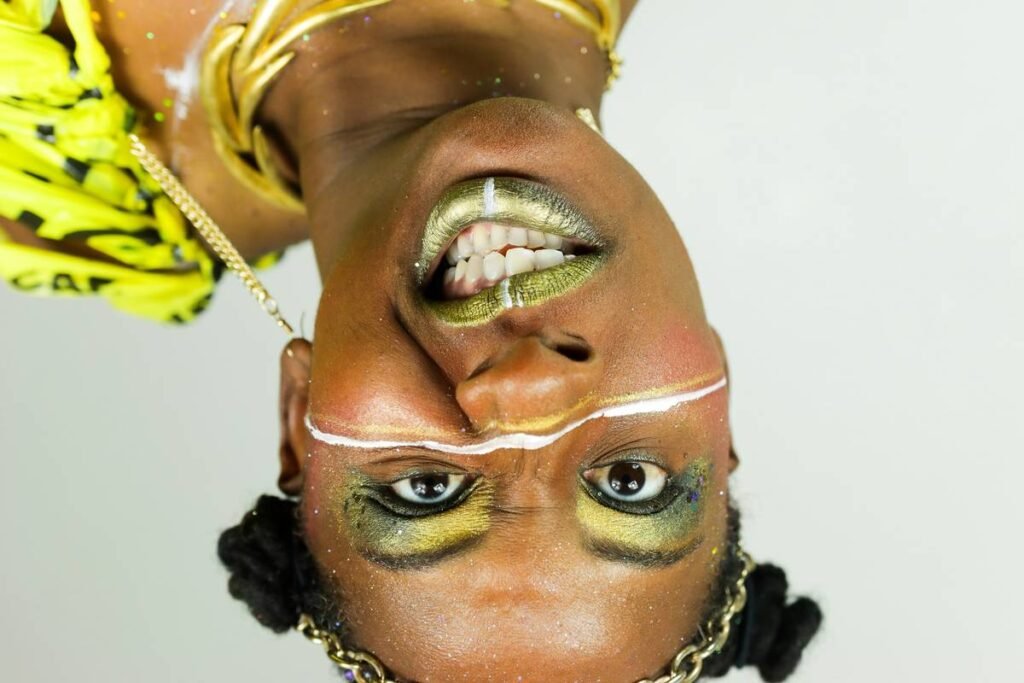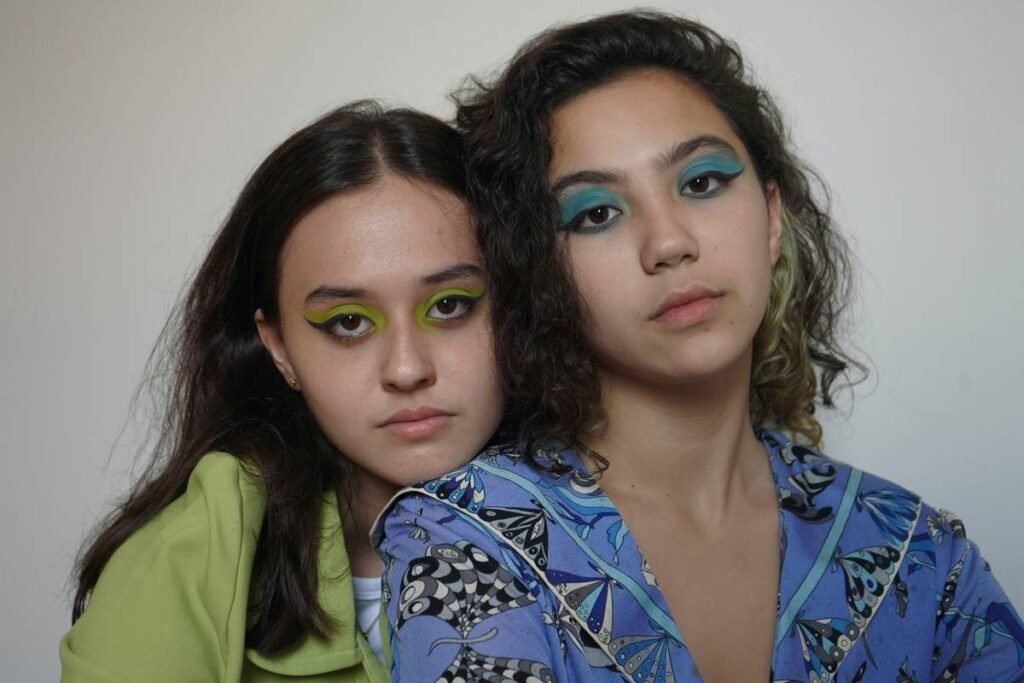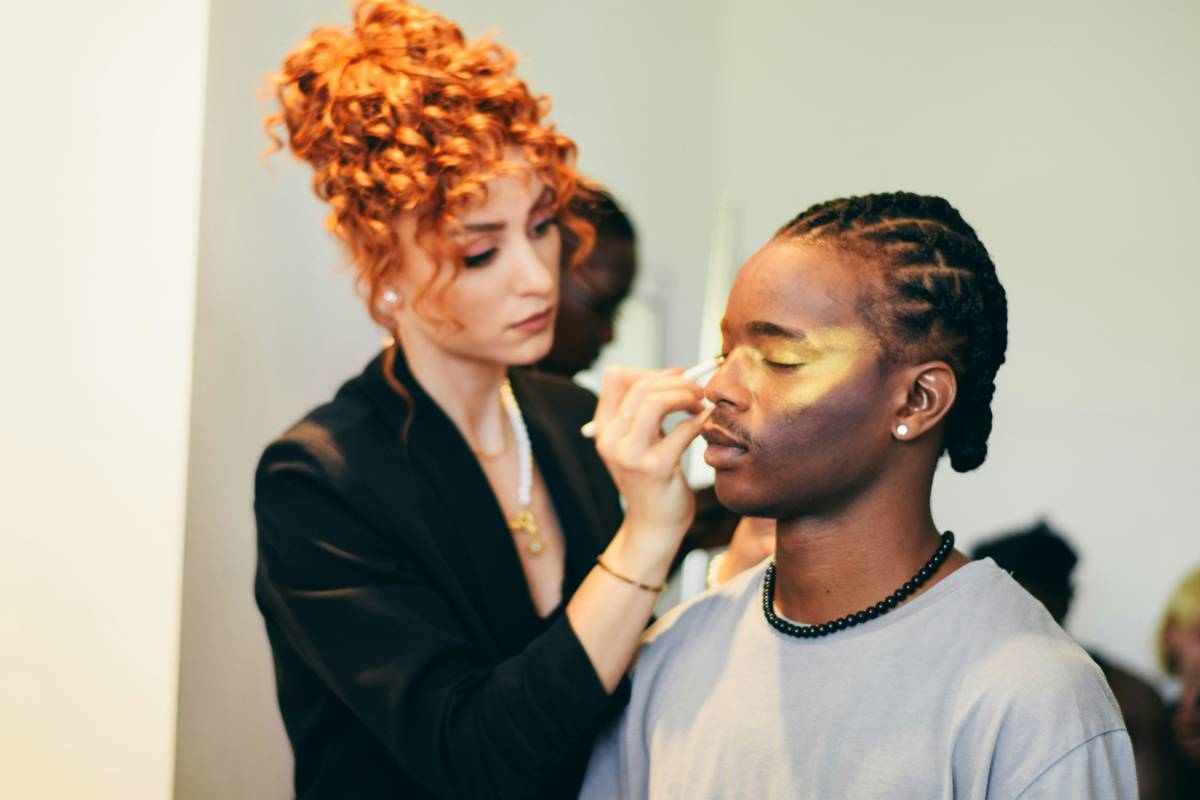
Ever watched a fashion show and wondered how models’ skin looks flawlessly matte under blinding lights while their eyeliner stays sharp enough to cut glass—for 20 minutes straight on a moving catwalk? You’re not alone. Most “everyday” makeup would melt, smudge, or vanish under those conditions. That’s because fashion show makeup isn’t just about looking pretty—it’s high-performance art engineered for drama, durability, and directional storytelling.
In this deep dive, you’ll uncover exactly how pro makeup artists (MUAs) create runway-ready faces that survive sweat, stage lights, and rapid backstage changes. We’ll break down the tools, techniques, and truths behind fashion week’s most iconic beauty moments—and yes, even why that neon lip you saw at Balenciaga Spring 2023 won’t work with your drugstore foundation.
You’ll learn:
- The non-negotiable products used backstage at major fashion weeks
- Step-by-step techniques to mimic runway precision at home
- Real-world case studies from shows like Chanel, Prada, and Marc Jacobs
- FAQs that debunk viral TikTok hacks (spoiler: setting spray ≠ hairspray)
Table of Contents
- Why Is Fashion Show Makeup So Different From Everyday Makeup?
- How to Do Fashion Show Makeup: A Backstage-Approved Routine
- 5 Pro Tips That Keep Runway Makeup Flawless Under Pressure
- Iconic Fashion Show Makeup Moments That Changed Beauty Trends
- Fashion Show Makeup FAQs
Key Takeaways
- Fashion show makeup prioritizes concept, camera-readiness, and longevity over wearability.
- Products must be sweat-proof, transfer-resistant, and highly pigmented—think MAC Pro Longwear, Kryolan, or Make Up For Ever HD lines.
- Lighting dictates everything: warm vs. cool tones behave wildly differently under LED vs. halogen catwalk lights.
- Less is rarely more—runway often demands exaggeration for visual impact at distance.
- DIY attempts should focus on one bold element (e.g., graphic liner) paired with neutral skin.
Why Is Fashion Show Makeup So Different From Everyday Makeup?
If you’ve ever tried recreating a Pat McGrath or Val Garland look and ended up looking like you got hit by a glitter truck during a windstorm—you’re not failing. You’re just applying art like it’s routine.
Fashion show makeup serves three masters: the designer’s vision, the photographer’s lens, and the physical realities of a live show. According to a 2023 backstage report from WWD, over 78% of lead MUAs prioritize “camera fidelity” over “real-life wearability.” Why? Because fashion shows are marketing events first—images go global within minutes, shaping trends for seasons.
I learned this the hard way during New York Fashion Week 2019. Tasked with assisting on a minimalist show, I buffed foundation to airbrush perfection… only to watch the model disappear under the lights. The lead MUA snapped: “This isn’t a job interview—it’s a billboard.” She added stark cheek contouring and crisp white eyeliner. Suddenly, the face popped—even from row 30.
Grumpy You: “So I need a degree in theatrical engineering just to wear red lipstick?”
Optimist You: “Nah—but understanding why it’s different helps you borrow the best parts without looking costumed.”
How to Do Fashion Show Makeup: A Backstage-Approved Routine
You don’t need a $10K kit to channel runway energy—just smart strategy. Here’s how the pros build a show-ready face in under 8 minutes (yes, really).
Step 1: Prime Like Your Face Depends on It (It Does)
Backstage secret: Models often skip moisturizer but never primer. Use an oil-controlling primer (e.g., Smashbox Photo Finish Control Mattifier) applied only to the T-zone. Full-face priming can cause pilling under heavy foundation.
Step 2: Build Skin That Survives Sweat & Spotlights
Opt for water-based, long-wear foundations like Make Up For Ever Ultra HD or Estée Lauder Double Wear. Apply with a dense sponge (dampened slightly) using stippling—not dragging—to avoid streaks. Set immediately with translucent powder (Laura Mercier Translucent is a backstage staple).
Step 3: Sculpt, Don’t Soften
Runway contour is architectural, not blended into oblivion. Use a cool-toned, matte bronzer (Kevyn Aucoin The Sculpting Powder) and carve hollows with a small angled brush. Blend upward only—no circular motions.
Step 4: Go Big or Go Home With Eyes
Eyeshadow must read from 50 feet away. Layer cream base (MAC Paint Pot in Groundwork) first, then pack on matching powder shadow with a flat shader brush. For liner, gel formulas (like Bobbi Brown Long-Wear Gel) outperform liquids under heat.
Step 5: Lock It All Down—Strategically
Spray setting spray (Urban Decay All Nighter) from 12 inches away—do not mist like perfume. Let it dry naturally. No blotting. Backstage teams often use industrial-strength fixatives like Ben Nye Final Seal for extreme conditions.
5 Pro Tips That Keep Runway Makeup Flawless Under Pressure
- Lighting tests are non-negotiable. Always check your makeup under both natural daylight and artificial white light before finalizing.
- Tape > Tweezers for graphic liner. MUAs use medical tape to create razor-sharp wings—peel off before walking.
- Blot, don’t powder. Excess oil? Press with blotting paper (Clean & Clear works), then re-spray. Over-powdering = ashy cast on camera.
- Red lips demand blue-based corrector. Neutralize natural lip darkness with a violet corrector (like LA Girl HD Pro Conceal) before applying bold reds.
- Bring backups in travel sizes. One dropped lipstick shouldn’t derail a whole show. Pros stash mini versions in apron pockets.
Terrible Tip Disclaimer: “Just layer more foundation if it fades!” Nope. This causes caking under lights and creasing in expression lines. Better to use a color-correcting concealer for spot touch-ups.
Iconic Fashion Show Makeup Moments That Changed Beauty Trends
Some runway looks don’t just turn heads—they rewrite beauty rulebooks.
Chanel Fall 2013 – The Glitter Tears: Peter Philips glued individual silver sequins beneath models’ eyes. Viral within hours, it sparked the “glitter tears” trend still copied on Instagram Reels today.
Prada Spring 2018 – Barely-There Skin: Guido Palau and Lloyd Simmonds opted for zero foundation—just strategic concealer and SPF. Contradicted everything we knew about “coverage,” yet felt revolutionary. Sales of tinted moisturizers rose 22% that quarter (Mintel, 2018).
Marc Jacobs Fall 2022 – Graphic Black Liner: Thick, asymmetrical black liner drawn freehand by Kabuki became an instant meme and drove a 40% spike in liquid liner sales (NPD Group). Yet few realized the trick: they used waterproof cake liner mixed with glycerin for flexibility.
These aren’t accidents. They’re calculated experiments by MUAs who understand that fashion show makeup exists at the intersection of art, commerce, and optics.
Fashion Show Makeup FAQs
Can I wear fashion show makeup in real life?
Sparingly! Pick one element—like a bold lip or sharp contour—and pair it with neutral everything else. Full runway looks often overwhelm in daylight or office settings.
What’s the best setting spray for long-lasting makeup?
Urban Decay All Nighter is the gold standard, but for extreme humidity (like outdoor shows), MUAs switch to Ben Nye Matte Sealer or Mehron Barrier Spray.
Do models keep the makeup on after the show?
Rarely. Most have full removal kits backstage—micellar water, oil cleanser, and hydrating masks. Some designers even provide post-show skincare sessions.
Is fashion show makeup cruelty-free?
Increasingly, yes. Major brands like MAC, Fenty Beauty, and Rare Beauty are Leaping Bunny certified. However, always verify—some backstage kits still include non-certified legacy products.
Conclusion
Fashion show makeup isn’t about vanity—it’s visual storytelling under pressure. Every smudge-proof eyeliner flick and hyper-sculpted cheekbone serves a purpose: to translate design emotion into human form, instantly, globally, and memorably.
You don’t need to walk a catwalk to harness its power. Start small: test one pro technique (like strategic contouring or lighting-aware foundation) and notice how your features gain dimension—even on Zoom. Because real beauty mastery isn’t copying looks—it’s understanding why they work.
Now go forth. And for the love of highlighter, stop using baking soda as eyeshadow primer. (Yes, someone did. At Paris Fashion Week. We don’t speak of it.)
Like a Motorola Razr flipping shut—some things are dramatic, precise, and timeless. ✨