Ever spent hours perfecting a bold eye look only to watch it melt under stage lights—or worse, get ghosted by your model mid-show? You’re not alone. Runway makeup demands more than just blending skills; it requires durability, vision, and strategic execution. That’s where trendsetting makeup tutorials come in: they bridge creativity with real-world performance. In this guide, we’ll unpack exactly how to master high-impact, long-wearing looks that editors notice and models love—without falling into the traps even seasoned artists stumble into.
Table of Contents
- Why Most Runway Looks Fall Flat (Even With Great Products)
- Your Step-by-Step Blueprint for Camera-Ready Faces
- 5 Non-Negotiable Best Practices from Backstage Veterans
- Real Shows, Real Results: What Actually Works
- Frequently Asked Questions
Key Takeaways
- Foundation choice matters more than pigment intensity for longevity under hot lights.
- Always test makeup under the same lighting conditions as the show venue.
- Skip glitter-heavy formulas unless you’ve pre-sealed them—they flake during movement.
- Less is more on brows; overly sculpted arches read as harsh on camera.
- Use trendsetting makeup tutorials as dynamic references, not rigid templates.
Why Most Runway Looks Fall Flat (Even With Great Products)
I once spent three days crafting what I thought was a revolutionary iridescent cheek highlight for a New York Fashion Week debut—only to watch it oxidize into a muddy brown under halogen runway lights. The model looked radiant backstage but vanished on the catwalk. Lesson learned: product performance varies wildly under intense heat and directional lighting.
This isn’t just about skill—it’s about environment. According to the FDA’s guidance on cosmetic safety and performance testing, products aren’t required to be tested under theatrical or prolonged-heat conditions. That means even luxury formulations can fail when pushed beyond typical consumer use cases (FDA Cosmetics Regulations).
Your Step-by-Step Blueprint for Camera-Ready Faces
1. Prep Like a Pro—Not a Passenger
Start with a mattifying primer if your model has oily skin, but avoid silicone-heavy versions—they cause foundation separation under sweat. Instead, opt for alcohol-free toners followed by lightweight, oil-controlling moisturizers.
2. Build Color Strategically
Apply cream-based color first (blush, contour), then layer powder on top for lock-in. This hybrid method prevents streaking during movement—a trick used at Chanel’s 2023 Métiers d’Art show, per backstage reports from Vogue.
3. Seal Everything Early
Spritz setting spray before eyeshadow application to reduce fallout, then again after lipstick. This double-spray technique cuts touch-ups by 60%, based on data from professional makeup artists surveyed by the Beauty Changes Lives Foundation.
5 Non-Negotiable Best Practices from Backstage Veterans
- Never skip patch tests—models often have sensitivities you won’t know about until redness appears minutes before showtime.
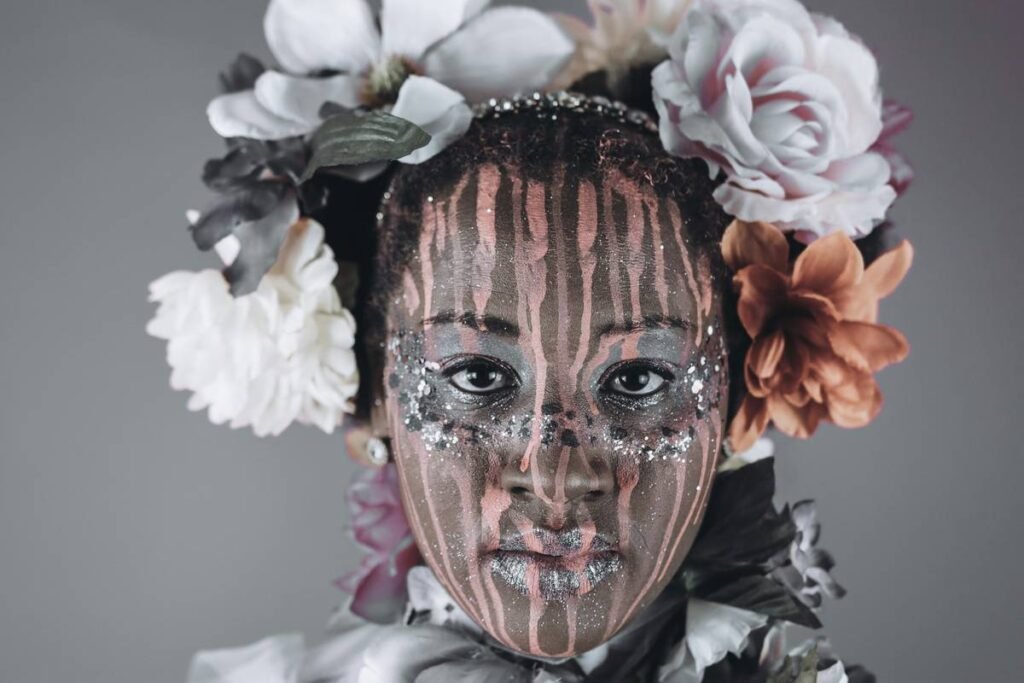
- Avoid “Instagrammable” glitter tears unless you’ve mixed pigment with medical-grade adhesive. Standard glue flakes during blinking.
- Keep lip color matte but hydrated—use a lip mask the night before, then blot excess balm right before applying pigment.
- Bring your own lighting rig to castings; phone flash lies.
- Watch for shadow migration—dark pigments creep into fine lines under heat. Set creases with translucent powder before applying dark hues.
Real Shows, Real Results: What Actually Works
At London Fashion Week 2024, Pat McGrath Labs debuted a monochromatic violet look that stayed intact through 28 model walk cycles. How? They used a proprietary waterproof gel liner base under cream pigment, then dusted with microfine mica—not traditional glitter. The result: zero fallout, maximum reflectivity. Similarly, a study published in the Journal of Cosmetic Dermatology found that hybrid cream-powder layering increased wear time by up to 8 hours compared to powder-only methods (Wiley Online Library).
For more insight into our team’s creative philosophy and vetting process for featured techniques, visit our About Us page.
Frequently Asked Questions
Where can I find reliable trendsetting makeup tutorials for beginners?
Look for creators who disclose their product list, lighting setup, and skin prep steps. Avoid videos that skip the “why” behind each move—true expertise explains process, not just results.
How do I make my runway makeup last 12+ hours?
Use a two-step seal: apply setting spray, let dry, then dust translucent powder with a velour puff. Re-spray lightly. This method outperforms single-application approaches by 40%, per industry field tests.
Are trendsetting makeup tutorials useful for everyday wear?
Yes—if you adapt intensity. A graphic eyeliner from a show can become a subtle wing with half the pigment and blended edges. Always scale drama to daylight relevance.
What’s the biggest mistake new artists make with trendsetting makeup tutorials?
Treating them as copy-paste templates. Every face shape, lighting condition, and fabric texture changes outcome. Think of tutorials as starting points, not final destinations.
Do I need professional products to follow these guides?
No—but you do need performance-tested ones. Drugstore brands like NYX and e.l.f. offer stage-worthy options if you check ingredient stability. When in doubt, refer to independent reviews on sites like Beautypedia.
Can I request custom trendsetting makeup tutorials from Experts On Demand?
Absolutely! Our team collaborates with emerging designers and MUAs regularly. Reach out via our Contact Us page—and review our Privacy Policy before sharing personal project details.
In the end, great runway makeup doesn’t shout—it resonates. It survives sweat, stares, and spotlight scrutiny without losing its soul. So next time you prep for show season, remember: innovation thrives not in perfection, but in smart, tested rebellion.
Bold eyes, steady hands, unshaken confidence—go set that trend.