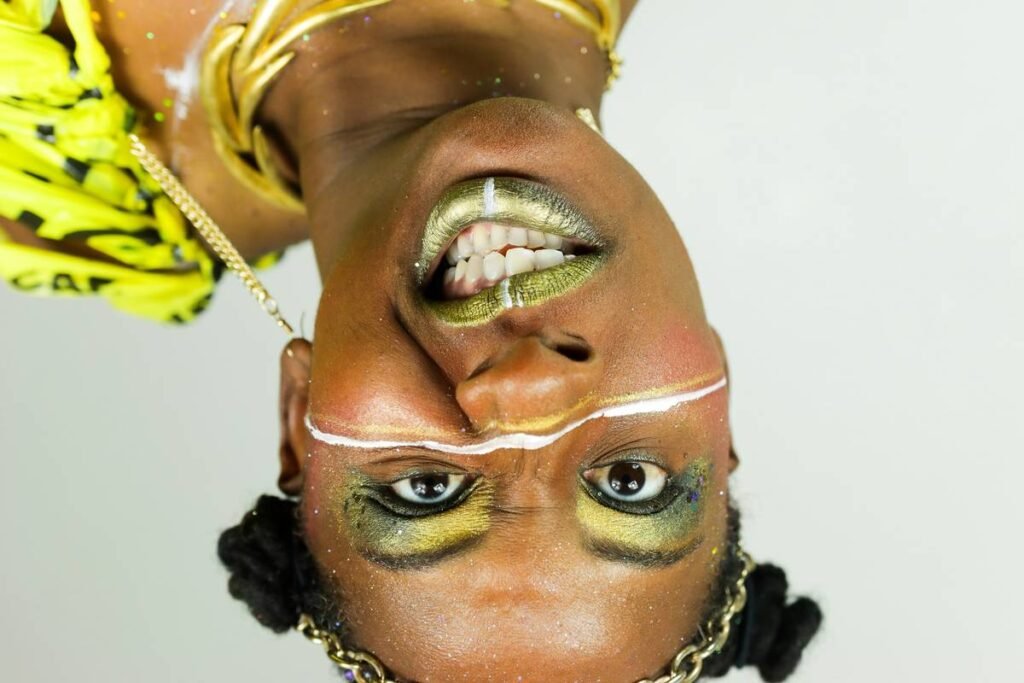
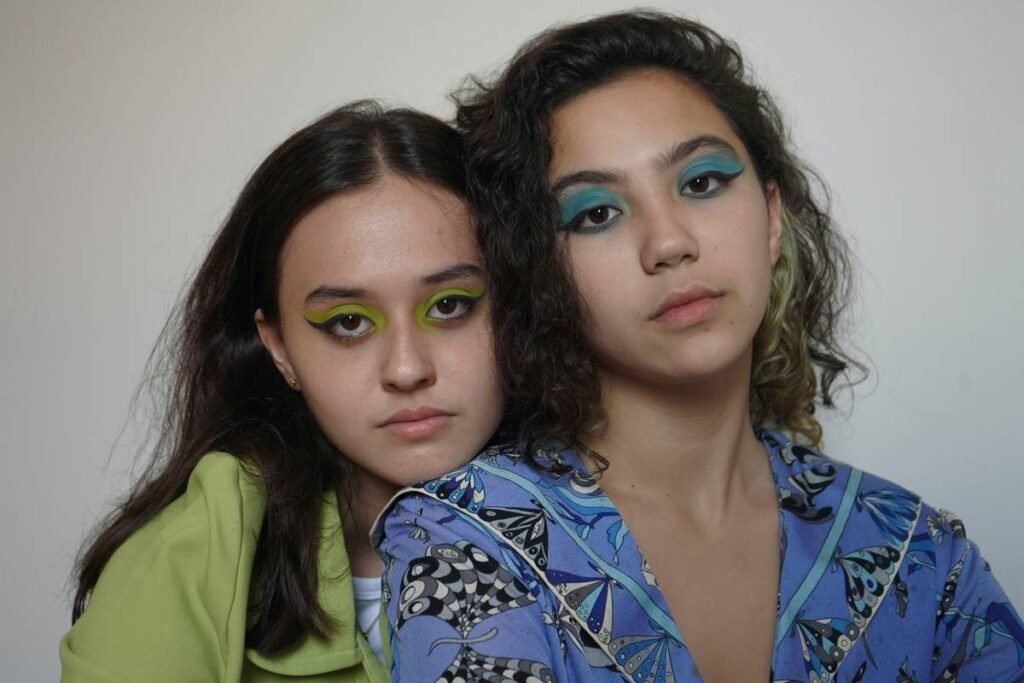
Fashion Week isn’t just about clothes—it’s a visual war where every model’s face is a canvas under brutal lights and high-definition scrutiny. Yet most “runway makeup” tutorials online peddle products that melt by hour two or disappear under flash photography. The real issue? Amateurs confuse editorial drama with backstage practicality. Runway makeup essentials aren’t about what looks good in selfies—they’re about what survives 18-hour days, humidity shifts, and last-minute lighting chaos.
Why Your “Editorial” Kit Fails on Actual Runways
Instagram glam ≠ backstage reality. That dewy foundation you love? It’ll oxidize into an oil slick under hot stage lights. Glitter eyeliner? Beautiful—until it migrates into tear ducts mid-show. Backstage artists don’t chase trends; they chase reliability. And reliability means sacrificing “pretty packaging” for industrial-grade hold, color stability, and zero transfer.
Most beauty influencers have never touched a model five minutes before a show starts—with producers yelling, stylists yanking wigs, and sweat dripping from brows. In that chaos, only three things matter: adhesion, pigment density, and speed. Everything else is noise.
Runway Makeup Essentials: The Step-by-Step Backstage Protocol
Forget 10-step routines. Real runway prep is surgical—efficient, targeted, and built to last. Here’s how top MUAs (makeup artists) execute under pressure:
Prime Like You Mean It—Not Just Skin, But Lashes & Lips Too
Seriously. Eyelash primer isn’t optional—it’s armor against mascara bleed. Lip primers prevent feathering when models are dehydrated from pre-show fasting. And skin primers? Skip the silicone-heavy gels. Pros use matte setting sprays before foundation to create a grippy base—counterintuitive, but it locks pigment for hours.
Foundation Isn’t Paint—It’s Structural Support
Backstage, foundation is applied with dense sponges—not brushes—for sheer, buildable coverage that won’t crack. Shade matching happens under mixed lighting (LED + tungsten), not your bathroom bulb. And here’s the kicker: many skip foundation entirely on darker skin tones, opting for color-correcting concealers only. Less product = less risk of caking.
Set Once, Set Forever
No dusting. No “light setting.” Pros spray, wait 30 seconds, then powder only the T-zone with translucent formulas pressed through mesh. This creates a flexible film—not a mask.

| Product Type | Consumer Pick | Backstage Standard | Key Difference |
|---|---|---|---|
| Concealer | Liquid brightener | Pan-based cream (e.g., Kryolan) | Higher pigment load, no emulsifiers = zero creasing |
| Eyeshadow | Powder palette | Pressed pigments + mixing medium | Custom intensity, waterproof when wet-set |
| Setting Spray | Dewy mist | Alcohol-based fixative (e.g., Ben Nye Final Seal) | Dries tack-free in 60 seconds, blocks humidity |
Color That Doesn’t Quit
Runway blush isn’t applied—it’s stippled into the dermis with sponge tips. Same for contour. And lip color? Often mixed with a drop of medical adhesive so it stays put during interviews post-show. Sounds extreme. Works flawlessly.

The Industry Secret No One Talks About: The “No-Makeup” Makeup Lie
Here’s what gets buried: sometimes, the most powerful runway look is literally nothing. At minimalist shows like The Row or Jil Sander, MUAs remove all traces of prior makeup, cleanse with micellar water on-site, then apply only brow gel and clear lip balm. Why? Because designers want raw, luminous skin—not artifice. The secret isn’t in the products—it’s in knowing when not to use them. That restraint takes more skill than glitter tears ever could.
And the pros who nail this? They’re hired season after season—not because they can blend, but because they understand narrative. Makeup serves the collection, not the artist’s portfolio.
FAQ: Runway Makeup Essentials Decoded
What’s the #1 non-negotiable item in a runway makeup kit?
A high-coverage, fast-drying concealer in pan form. Liquid formulas separate under heat.
Can drugstore products work for runway makeup?
Rarely. Drugstore foundations lack the pigment density needed under HD cameras. But some mascaras and brow gels hold up surprisingly well.
How do pros prevent transfer onto white collars or gloves?
They spray garments nearby with anti-static spray first—then set makeup with alcohol-based sealant. No direct contact needed.