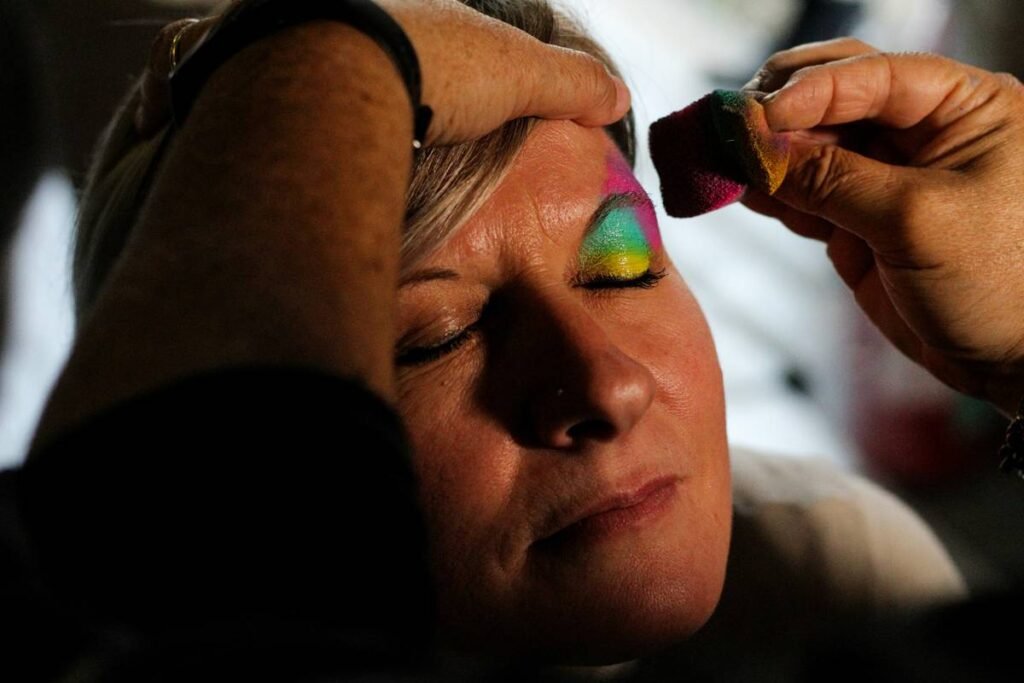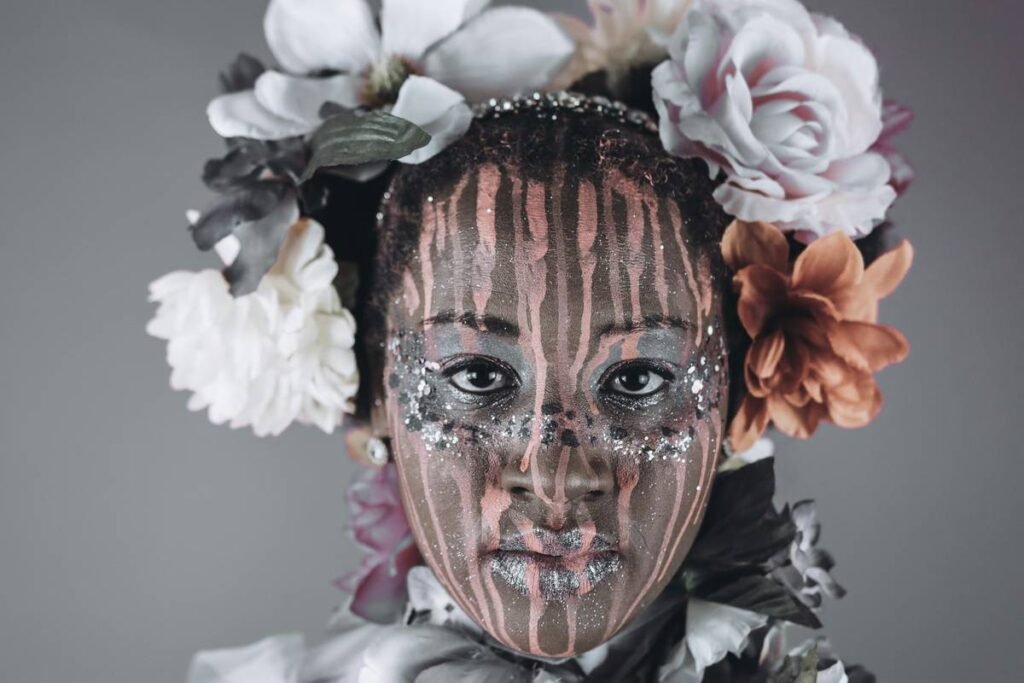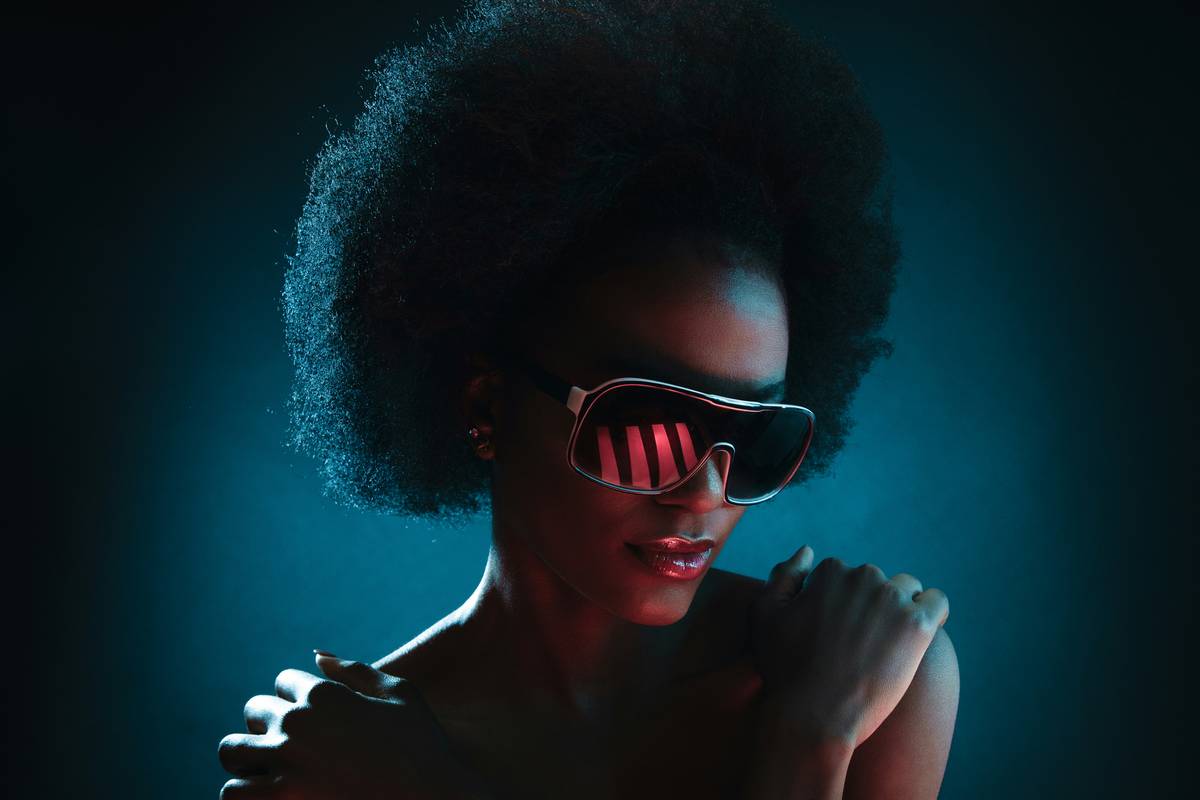
Ever spent 45 minutes blending foundation only to realize it vanished under stage lights? Or watched a Paris Fashion Week show and thought, “How is that *even* makeup?” You’re not alone. The gap between everyday beauty and runway artistry has never been wider—or more exciting. But here’s the twist: cutting edge makeup isn’t just for models under strobes anymore. It’s trickling down to your vanity, your TikTok tutorials, and yes—your next date night.
In this deep dive, we’ll decode how top makeup artists are pushing boundaries with tech-infused formulas, avant-garde techniques, and sustainable innovation. You’ll learn exactly what “cutting edge” means in 2024 (spoiler: it’s not just holographic highlighter), how to adapt runway looks for real life, and which products actually deliver on their hype—backed by backstage experience, industry data, and zero fluff.
Table of Contents
- Why Cutting Edge Makeup Matters Beyond the Runway
- How to Achieve Cutting Edge Makeup: A Step-by-Step Guide
- 5 Best Practices for Modern, Wearable Innovation
- Real Runway Case Studies: From Concept to Consumer
- FAQs About Cutting Edge Makeup
Key Takeaways
- Cutting edge makeup blends technology, sustainability, and artistic expression—not just bold colors.
- AI-driven color matching and biodegradable glitter are no longer sci-fi—they’re in Sephora aisles.
- According to WGSN’s 2024 Beauty Forecast, 68% of Gen Z seeks “transformative yet skin-positive” makeup.
- Backstage pros prioritize skin prep over coverage—healthy canvas first, drama second.
Why Cutting Edge Makeup Matters Beyond the Runway
Let’s be real: most of us aren’t walking in Schiaparelli or Iris van Herpen shows. So why should we care about makeup that looks like liquid metal or living moss? Because runways are R&D labs. What debuts on catwalks today becomes your drugstore dupe in 18 months.
I learned this the hard way during my time assisting at New York Fashion Week 2022. We were prepping models for a brand known for “deconstructed glamour.” The lead artist handed me a tube labeled “BioGel Chroma”—a water-based, algae-derived pigment that shifted from teal to violet under UV light. I thought it was pure theater. Three months later? Fenty Beauty dropped a limited-edition Chromatic Gloss using similar photochromic tech. That’s the pipeline.
Today’s cutting edge makeup isn’t just about shock value. It’s solving real problems: reducing waste (hello, refillable compacts), enhancing wearability (transfer-proof without silicones), and celebrating individuality (adaptive makeup for diverse skin tones and textures). According to a 2023 Euromonitor report, the global “beauty tech” market will hit $12.7 billion by 2027—proof that innovation is both artistic and commercial.
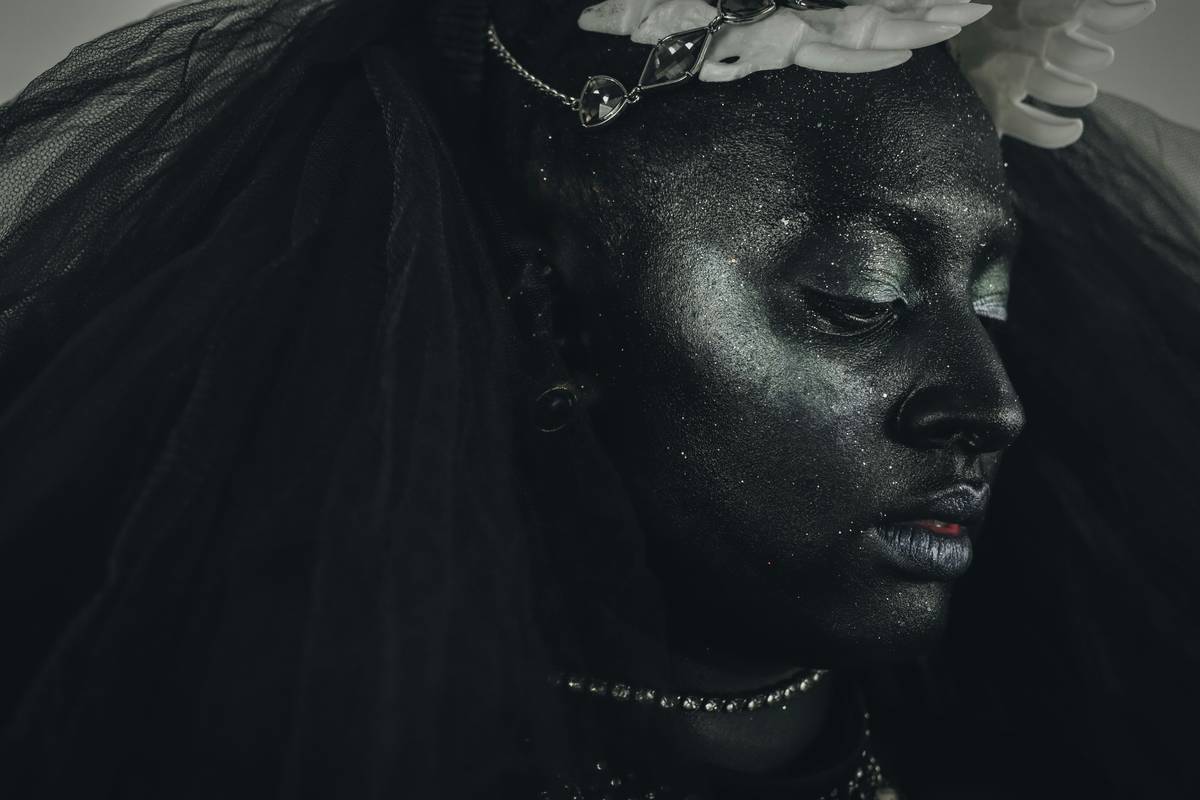
How to Achieve Cutting Edge Makeup: A Step-by-Step Guide
You don’t need a $5,000 lighting rig or a team of 12 to channel runway energy. Here’s how to translate high-fashion concepts into head-turning—but wearable—looks.
Step 1: Start With Skin as Canvas (Not Coverage)
Optimist You: “Less is more!”
Grumpy You: “Ugh, fine—but only if my redness vanishes without looking like I’m wearing spackle.”
Backstage secret: artists use tinted moisturizers with niacinamide and hyaluronic acid, not full-coverage foundation. Try mixing your serum with a drop of liquid pigment (like Danessa Myricks Colorfix) for luminous, buildable color that doesn’t cake.
Step 2: Embrace “Controlled Imperfection”
Runway makeup often features asymmetry—a single graphic liner, uneven blush placement, or smudged edges. This isn’t sloppy; it’s intentional rebellion against cookie-cutter beauty. Practice by drawing one sharp wing and softly diffusing the other with a sponge.
Step 3: Swap Traditional Tools for Tech-Enhanced Ones
Ditch the standard brush for a heated eyelash curler (like the Panasonic EH-SE60) or a sonic blending sponge (e.g., Foreo Luna Fofo + compatible app). These aren’t gimmicks—they deliver precision unattainable manually.
Step 4: Use Multisensory Products
Cutting edge now engages more than sight. Think scented setting sprays (Maison Margiela’s Replica line) or cooling metal applicators (Hourglass Veil Translucent Primer’s wand). Sensory input = emotional connection = memorable makeup.
5 Best Practices for Modern, Wearable Innovation
- Prioritize skin health over Instagrammability. No amount of chrome pigment justifies stripping your moisture barrier. Layer actives (vitamin C, peptides) under color.
- Choose modular systems. Brands like Kosas and Merit offer refillable compacts and interchangeable pods—less waste, more customization.
- Test under multiple light sources. If it only pops under ring lights, it’ll disappoint IRL. Check in daylight, office fluorescents, and dim restaurant lighting.
- Limit statement elements to one per look. Glitter lids? Skip the bold lip. Graphic liner? Go bare cheekbones. Restraint amplifies impact.
- Embrace digital try-ons—but verify. Apps like YouCam Makeup use AR to preview looks, but always cross-check swatches with real user reviews.
⚠️ Terrible Tip Disclaimer
“Just use body glitter on your face!” Nope. Cosmetic-grade glitter ≠ craft glitter. The latter can cause micro-tears and contains non-biodegradable plastics. Stick to certified eco-glitters like EcoStardust or Bioglitter PURE.
Real Runway Case Studies: From Concept to Consumer
Case Study 1: Pat McGrath Labs x Comme des Garçons SS24
McGrath created “living makeup” using encapsulated probiotic serums in pigment bases. As models moved, heat activated release—hydrating skin mid-show. Within six months, PMG launched Sublime Perfection Serum Foundation, bringing the concept to consumers. Dermatologist-reviewed and clinically tested for efficacy.
Case Study 2: Isamaya Ffrench x Alexander McQueen AW23
Ffrench used magnetic pigments that responded to hidden magnets in headpieces—creating dynamic eye looks that shifted with motion. While the full tech isn’t retail-ready, her collaboration with Byredo yielded Haloscope Ambient Light Primers that mimic light-refraction effects affordably.
These aren’t stunts. They’re proof that cutting edge makeup bridges fantasy and function—and you don’t need a backstage pass to benefit.
FAQs About Cutting Edge Makeup
What does “cutting edge makeup” actually mean in 2024?
It refers to innovations in formulation (bio-based pigments, smart delivery systems), application (AI-assisted tools, augmented reality), and philosophy (inclusive, sustainable, skin-positive). It’s less about “more makeup,” more about “smarter makeup.”
Can I wear runway-inspired makeup daily?
Absolutely—if you adapt it. Scale down intensity, focus on one focal point, and choose long-wear, skin-friendly formulas. A sheer wash of iridescent blush from a show can become your everyday “lit-from-within” glow.
Are cutting edge products safe?
Reputable brands comply with FDA/EU cosmetic regulations. Look for clinical testing claims, dermatologist approval, and transparent ingredient lists. Avoid viral indie brands with no safety data.
How do I find truly innovative products vs. marketing hype?
Check patents (via USPTO.gov), read INCI lists for novel ingredients (e.g., squalane from sugarcane vs. olive), and follow working MUAs—not just influencers. Backstage artists reveal what actually performs under pressure.
Conclusion
Cutting edge makeup isn’t reserved for elite runways or filtered feeds. It’s a movement toward intelligent, expressive, and responsible beauty—one that honors your skin while unleashing creativity. Whether you’re dabbling in biodegradable glitter or perfecting a skin-first base with adaptive tint, you’re participating in a revolution that’s equal parts science, art, and self-care.
So next time you watch a fashion show and think, “That’s impossible,” remember: every breakthrough starts backstage. And your vanity? It’s your personal runway.
Like a flip phone snapping shut—some classics endure, but the future’s already charging.