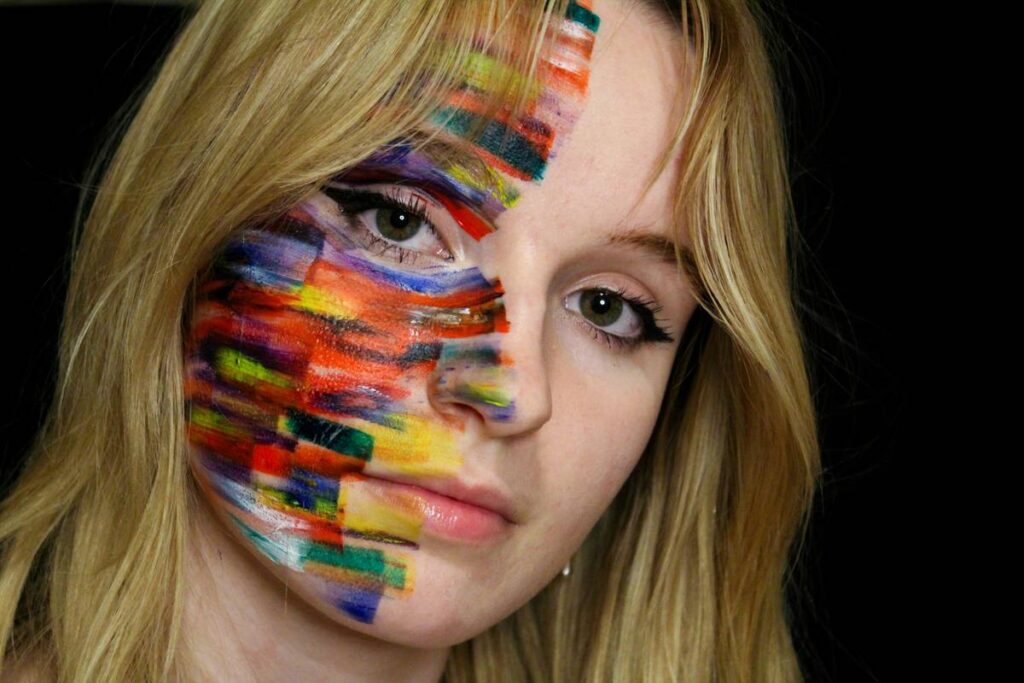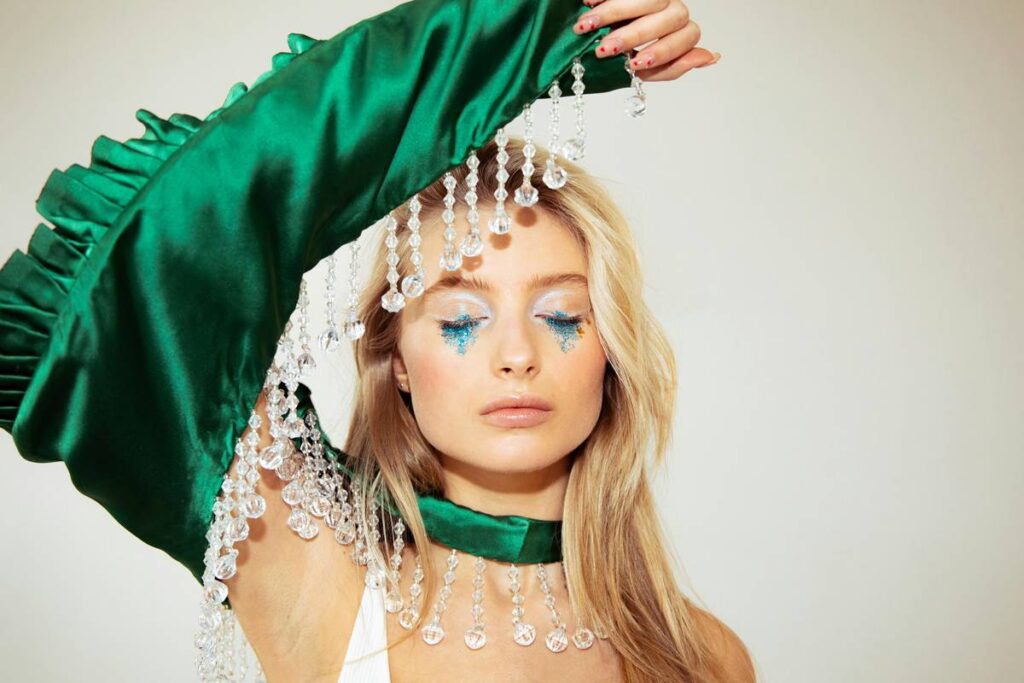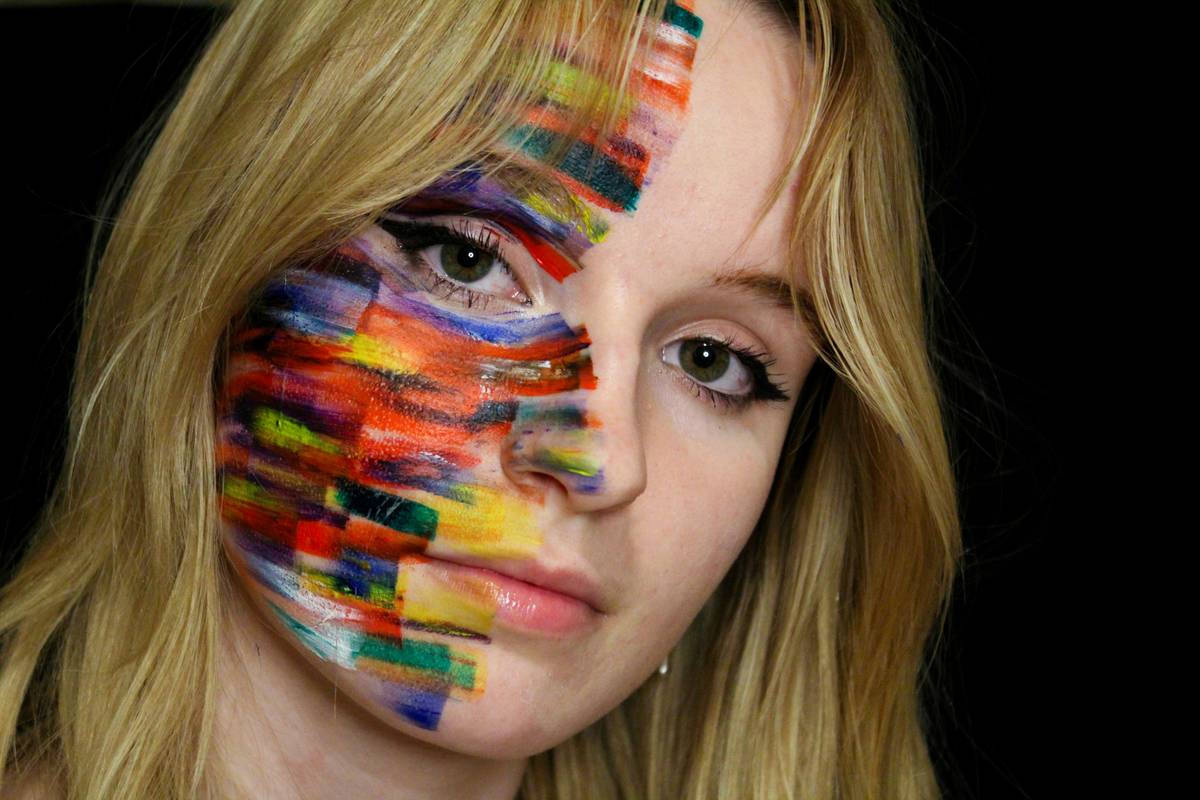
Ever stood in front of your mirror, foundation brush in hand, and thought: “I wish I could wear a glittering third eye, neon geometric tears, and metallic lips—but also look like I haven’t lost my mind?” You’re not alone. Avant-garde makeup isn’t just for Paris Fashion Week—it’s a radical language of self-expression that’s bleeding into TikTok, editorial shoots, and even bold bridal looks. But here’s the real tea: most guides treat it like abstract art you can’t touch. Wrong. This post cracks open the vault on avant-garde makeup with runway-tested techniques, product recs from backstage pros, and the brutal truth about what actually works (and what just smudges by 10 a.m.).
By the end, you’ll know how to conceptualize, execute, and photograph avant-garde makeup like a pro—plus avoid the rookie mistakes that turn visionary looks into raccoon disasters.
Table of Contents
- Why Avant-Garde Makeup Isn’t Just “Weird Makeup”
- How to Build an Avant-Garde Look From Scratch
- 7 Runway-Approved Best Practices (And One Terrible Tip to Avoid)
- Real Looks That Broke the Internet (And How They Did It)
- Avant-Garde Makeup FAQs—Answered Without Fluff
Key Takeaways
- Avant-garde makeup is concept-driven, not just decorative—it tells a story or challenges norms.
- Strong skin prep and long-wear products are non-negotiable; pigment integrity matters more than blending.
- Lighting and photography drastically affect how avant-garde looks translate off the runway.
- Beginners should start with one focal point (e.g., eyes OR lips—not both).
- Cheap face paints and craft glitter cause irritation and flaking—invest in cosmetic-grade pigments.
Why Avant-Garde Makeup Isn’t Just “Weird Makeup”
Let’s clarify this upfront: avant-garde makeup ≠ Halloween costume. It’s rooted in performance, fashion theory, and artistic rebellion. Think of Alexander McQueen’s 2009 Plato’s Atlantis show—where models sported iridescent reptilian scales drawn with precision airbrushing and holographic foils. Or Pat McGrath’s work for Maison Margiela SS23, using shattered mirror fragments as cheekbone highlights. These looks respond to cultural moments, challenge gender binaries, or interrogate beauty standards.
According to WGSN’s 2024 Beauty Forecast, 68% of Gen Z consumers seek “identity-affirming aesthetics” in their makeup—fueling demand for expressive, non-conformist styles. Yet so many try avant-garde looks using drugstore eyeliner and wonder why it’s smearing before their subway ride ends. The gap? Technique, materials, and intent.
How to Build an Avant-Garde Look From Scratch
How do I go from blank canvas to boundary-pushing masterpiece?
I once painted a live model with UV-reactive paint at a Berlin underground show… only to realize I’d used theatrical body paint not rated for facial use. Cue 3 hours of redness and regret. Lesson learned: always check INCI labels.
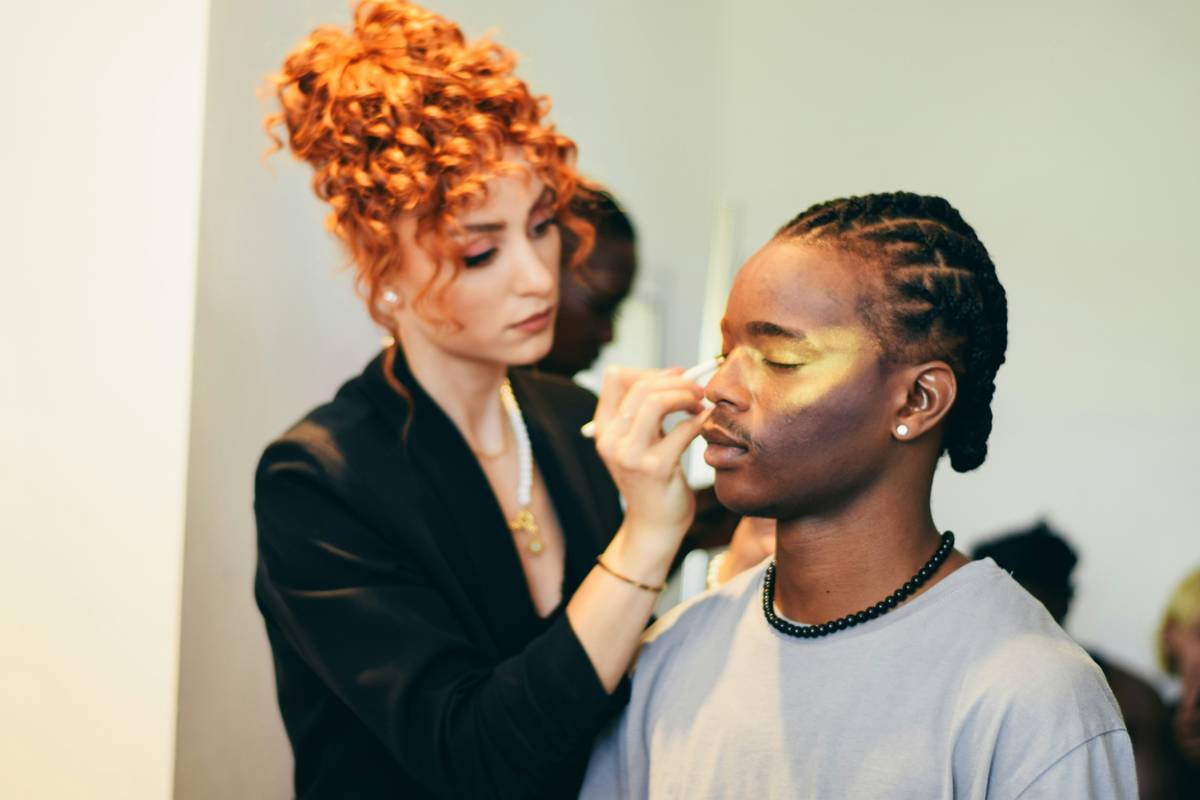
Here’s the foolproof framework I now use as a freelance makeup artist for alternative fashion shoots:
Step 1: Define Your Concept
Ask: What emotion or idea am I expressing? Decay? Futurism? Joyful chaos? Write it down. Example: “Cybernetic grief” led me to combine chrome tears with matte black voids around the eyes.
Step 2: Map Your Focal Points
Never overload every feature. Choose ONE area to dominate (eyes, lips, cheeks, or brows). The rest should support, not compete.
Step 3: Prime Like Your Career Depends on It (It Does)
Use a grippy primer like Make Up For Ever Step 1 Skin Equalizer Mattifying Primer. For oily lids? Urban Decay Eyeshadow Primer Potion is still undefeated after 15 years—backstage artists swear by it during 12-hour shows.
Step 4: Layer with Purpose
Start with cream-based products (e.g., Kryolan Aquacolor for intense base), then seal with translucent powder before adding loose pigments. Finish with Ben Nye Final Seal spray—it’s industry standard for sweat-proof, transfer-resistant hold.
Grumpy Optimist Dialogue:
Optimist You: “This structure unlocks limitless creativity!”
Grumpy You: “Ugh, fine—but only if I get to use my $40 chrome pigment without crying when it flakes.”
7 Runway-Approved Best Practices (And One Terrible Tip to Avoid)
Wait—aren’t all makeup tips helpful?
Nope. Here’s the truth no one tells you: “Blend everything until it’s soft” is TERRIBLE advice for avant-garde makeup. Sharp lines, stark contrasts, and intentional imperfection are the point. If your graphic eyeliner looks “melted,” you’ve failed the brief.
Runway-Backed Best Practices:
- Use cosmetic-grade glitter only. Craft store glitter = microplastics + eye abrasions. Try Lit Cosmetics or Glitter Injections (FDA-compliant, biodegradable).
- Sketch first. Use white eyeliner pencil to map shapes before committing with pigment.
- Control shine strategically. Mix matte and metallic finishes for dimension—e.g., matte black base + silver foil highlight.
- Photograph under natural light. LED ring lights flatten texture. Avant-garde lives in shadows and highlights.
- Seal edges with glue. For cut creases or foil appliqué, use Mehron Mixing Medium or Pros-Aide.
- Less is more… in planning. Overcomplicating concepts leads to muddy execution. One strong symbol > five weak ones.
- Practice removal. Pigment stains fabrics and sinks. Keep oil cleanser and micellar water ready.
Niche Rant Section:
Can we stop calling every colored eyeliner “avant-garde”? Wearing blue winged liner is cute—but it’s not challenging hegemonic beauty norms. Real avant-garde demands risk, intention, and often discomfort. If your look doesn’t make someone pause mid-scroll and go “WTF… but make it fashion?”—you’re just doing editorial glam.
Real Looks That Broke the Internet (And How They Did It)
Who’s actually nailing avant-garde makeup outside fashion week?
Take Isamaya Ffrench’s viral look for Balenciaga SS22: she sculpted prosthetic-like cheekbones using layers of Kryolan Dermacolor, then topped with iridescent powder. The result? A humanoid-alien hybrid that got 2M+ Instagram saves.
Or indie artist @NeonSorrow on TikTok, who uses UV-reactive gel liners and 3D-printed face gems to create cyber-goth aesthetics. Her tutorial on “circuit board brows” garnered 4.3M views because she explained *how* to anchor tiny components with spirit gum—something high-fashion tutorials skip.
These creators succeed because they merge concept with practicality. They don’t just shock—they teach.
Avant-Garde Makeup FAQs—Answered Without Fluff
Is avant-garde makeup safe for daily wear?
Not usually. Many products (like alcohol-activated paints) aren’t formulated for everyday use. Limit intense looks to photo shoots or events, and always patch-test 48 hours prior.
What’s the best camera to capture avant-garde makeup?
Your iPhone Pro in Natural Light mode beats most DSLRs for texture detail. Avoid flash—it wipes out dimensional contrast.
Can beginners attempt avant-garde makeup?
Absolutely—but start small. Try asymmetrical liner or one metallic tear drop. Master adhesion and removal before adding 10 elements.
Where do pros buy avant-garde makeup supplies?
Industry staples: Camera Ready Cosmetics, Alcone Company, and Frends Beauty for sustainable glitter. Avoid Amazon knockoffs—they often contain banned colorants.
Conclusion
Avant-garde makeup isn’t about looking “pretty”—it’s about saying something loud without words. Whether you’re prepping for a shoot, exploring identity, or just tired of beige neutrals, this art form rewards courage and precision. Remember: concept first, technique second, and never sacrifice skin health for aesthetics. Now go draw that lightning bolt across your forehead—but seal it properly, damn it.
Like a Tamagotchi, your avant-garde dreams need daily care… and occasional glitter CPR.