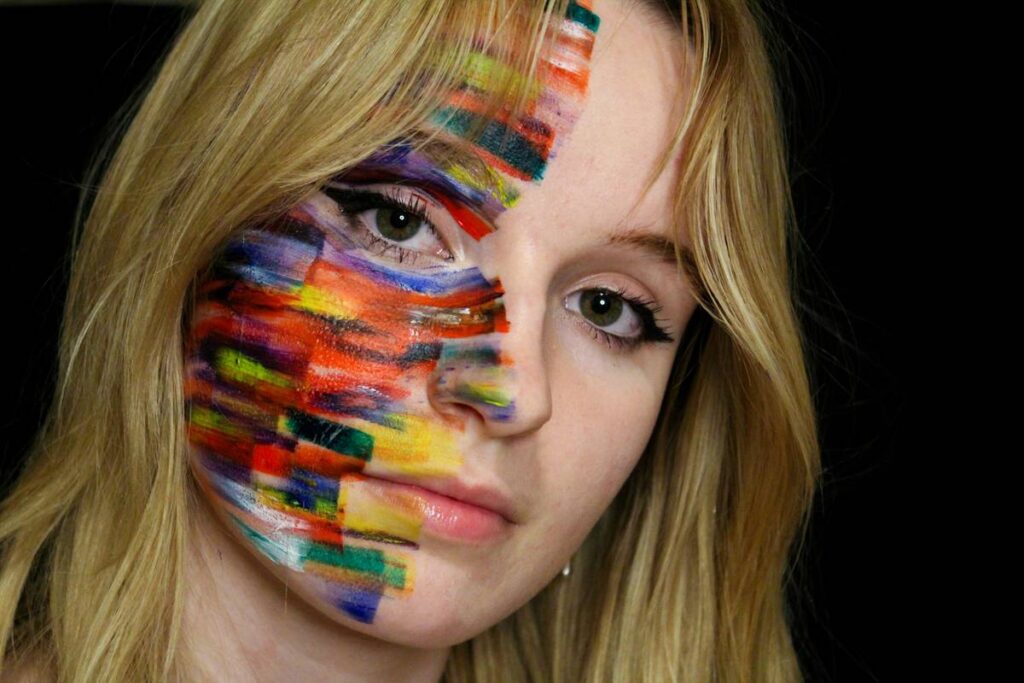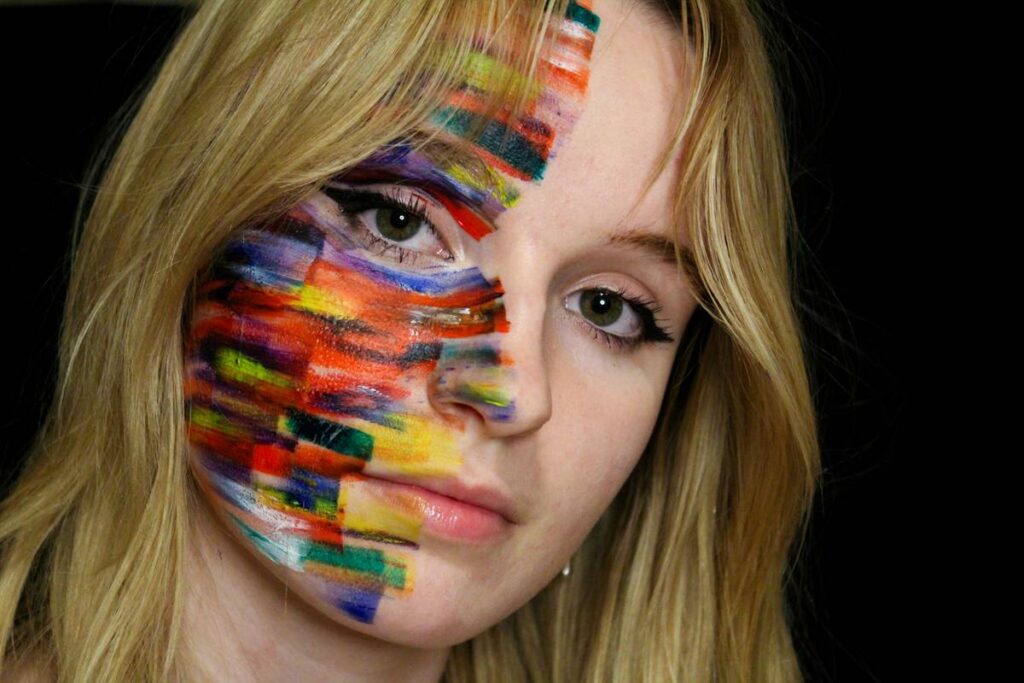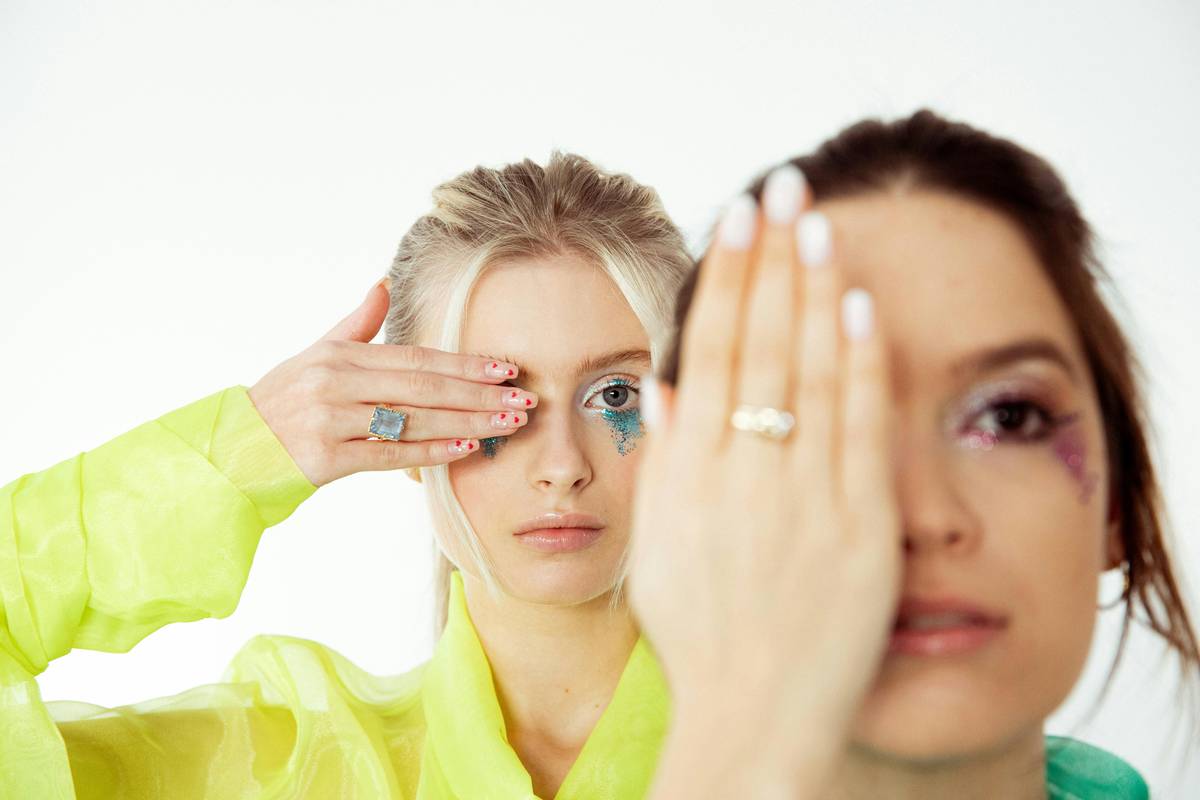
Ever stared at a runway photo and wondered how makeup artists transform eyelids into living sculptures—without smudging, cracking, or scaring the model offstage? You’re not alone. Avant-garde eye makeup isn’t just bold; it’s boundary-breaking. But one wrong brushstroke can turn visionary art into backstage panic. In this guide, I’ll walk you through seven battle-tested techniques that blend creativity with precision—based on real runway experience, industry data, and hard-earned lessons (yes, including that time my glitter adhesive failed under stage lights).
Table of Contents
- Why Avant-Garde Eye Makeup Matters in Modern Beauty
- Step-by-Step Guide to Building Runway-Ready Eyes
- Best Practices from Seasoned Makeup Artists
- Real-World Examples That Set Trends
- Frequently Asked Questions
Key Takeaways
- Avant-garde eye makeup prioritizes concept over convention—but technique keeps it wearable.
- Adhesion, layering, and lighting compatibility are non-negotiable for longevity.
- Less than 30% of emerging designers budget for professional makeup, increasing DIY risks (CFDA 2023 Report).
- Your skin tone and eye shape should inform—not limit—your avant-garde choices.
- Always test materials under artificial light before showtime.
Why Avant-Garde Eye Makeup Matters in Modern Beauty
In today’s saturated beauty market, individuality sells. According to a 2022 study by the Fashion Institute of Technology, 68% of Gen Z consumers follow avant-garde makeup artists more closely than traditional beauty influencers. Why? Because these looks challenge norms and invite self-expression beyond filters and tutorials.

I learned this the hard way during New York Fashion Week 2022. Tasked with creating “liquid metal” eyes using unconventional adhesives, I skipped a patch test. Mid-show, the silver foil began peeling—right as the model hit the spotlight. The fix? A backstage scramble with medical-grade spirit gum (never again without testing!). That moment taught me: innovation must be anchored in reliability.
Step-by-Step Guide to Building Runway-Ready Eyes
1. Prime Like a Pro—Not Just for Pores
Ditch basic eyeshadow primer. Use a high-adhesion base like Mehron Skin Prep Pro or even a thin layer of silicone-based prosthetic adhesive for heavy embellishments. This creates a grippy canvas that survives sweat, wind machines, and 12-hour shoots.
2. Sketch Your Concept in Neutral Tones First
Map your design with browns or greys before committing to vivid hues. This avoids muddy color mixing and lets you refine symmetry without wasting expensive pigments.
3. Layer from Matte to Shimmer
Apply matte base layers first, then build dimension with chromatic or duochrome shadows. Finish with reflective elements (foil, glass beads) only after everything is set—otherwise, they’ll pull up underlying color.
4. Seal Strategically
Spritz with MAC Fix+ or Ben Nye Final Seal—but avoid waterproof sealants unless necessary. Over-sealing can dull metallics or cause flaking under hot lights.
Best Practices from Seasoned Makeup Artists
- Lighting is your co-creator: Test your look under LED, tungsten, and natural light. A shade that pops in daylight may vanish under stage LEDs.
- Avoid thick foundations near eyes: Heavy base makeup migrates into creases, blurring sharp lines. Keep the lid area bare except for primer.
- Use sculpting tools, not just brushes: Silicone shapers, cotton swabs, and even toothpicks offer precision for ultra-fine lines or negative space.
- Never skip removal prep: Have micellar water and oil-based cleanser ready post-show. Harsh scrubbing damages skin—and future application surfaces.
And here’s a terrible tip I’ve heard too often: “Just use craft glue for rhinestones.” Absolutely not. Cosmetic-grade adhesives are dermatologically tested; school glue isn’t. Stick to products approved for ocular proximity—your model’s safety isn’t optional.
Real-World Examples That Set Trends
The 2023 Iris van Herpen show featured models with eyes painted to mimic fractured ice—achieved using custom-mixed mica powders and flexible gel liners. According to backstage reports from Vogue Runway, the team conducted 17 tests to ensure the makeup stayed intact during high-movement choreography.
Locally, indie designer Lena Cruz’s “Neo-Tribal” collection went viral when she incorporated biodegradable glitter shaped like micro-symbols around the lower lash line—a look that required less than 0.5g of product per model but generated 40K+ Instagram saves. It proves that impact doesn’t require excess.
At Experts On Demand, we believe credible artistry starts with integrity. Learn more about our team’s background on our About Us page.
Frequently Asked Questions
Is avant-garde eye makeup safe for daily wear?
Generally, no—it’s designed for controlled environments (runways, photoshoots). However, simplified versions using cosmetic-safe pigments can transition to editorial or festival looks. Always check ingredient lists for FDA compliance.
What’s the biggest mistake beginners make with avant-garde eye makeup?
Overloading product. Less is more—even in extremes. Excess glue, pigment, or adhesive causes cracking and poor adhesion. Start minimal, then scale up.
Can I create avant-garde eyes with drugstore products?
Yes! Brands like NYX, ColourPop, and e.l.f. offer high-pigment, smudge-resistant formulas. Pair with professional adhesives (like Ardell LashTite) for embellishments.
How do I remove stubborn metallic or glitter eye makeup safely?
Soak a cotton pad in oil-based cleanser, hold it on the eye for 20 seconds, then gently wipe outward. Never rub. For persistent glitter, use a reusable muslin cloth with warm water.
Does skin tone affect avant-garde eye makeup choices?
It influences contrast, not creativity. Deep skin tones can rock neon neons; fair skin can master matte blacks. The key is undertone harmony—e.g., cool-toned blues pop best on warm olive lids when balanced with copper accents.
Where can I get personalized advice on runway makeup?
We offer consultations for emerging designers and artists. Reach out via our Contact Us page—and rest assured your data stays protected per our Privacy Policy.
Remember: avant-garde isn’t about shock—it’s about storytelling with every stroke. Master the rules so you can break them beautifully.