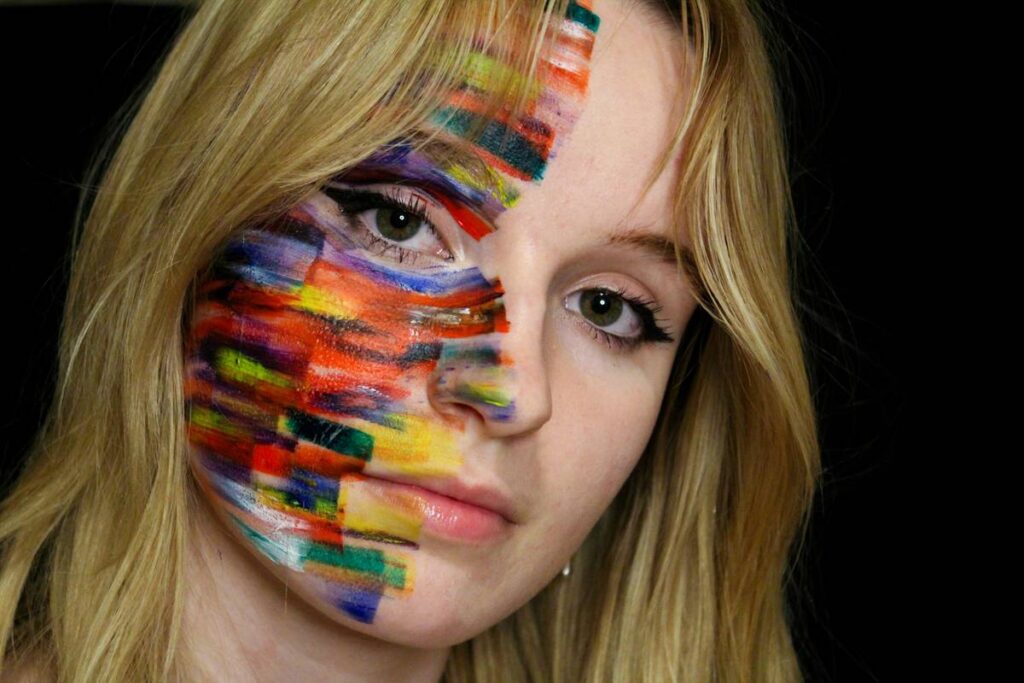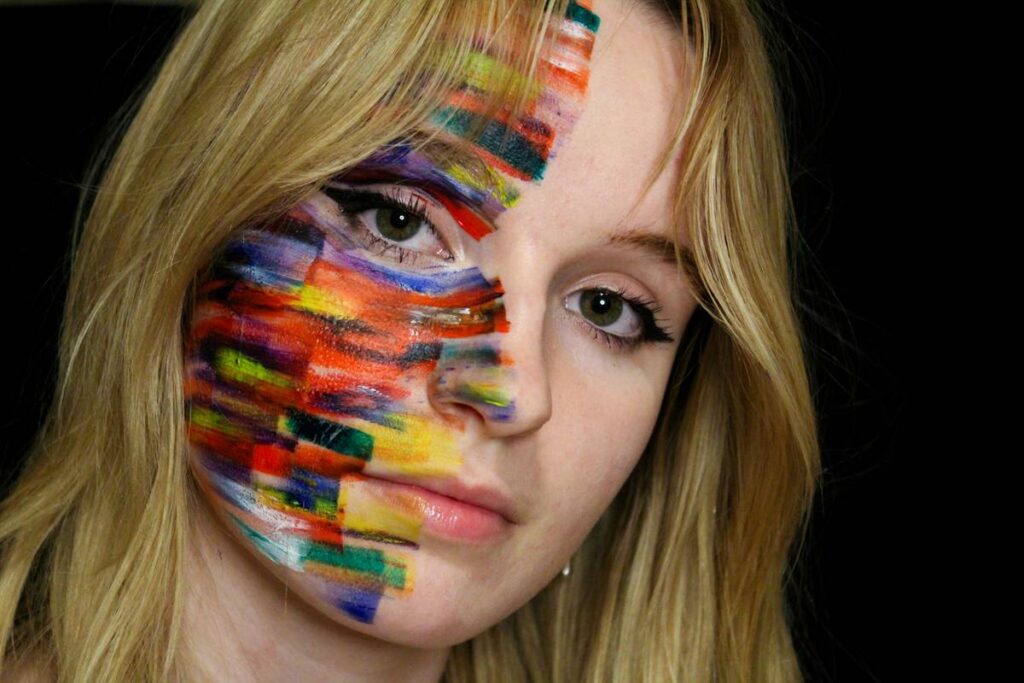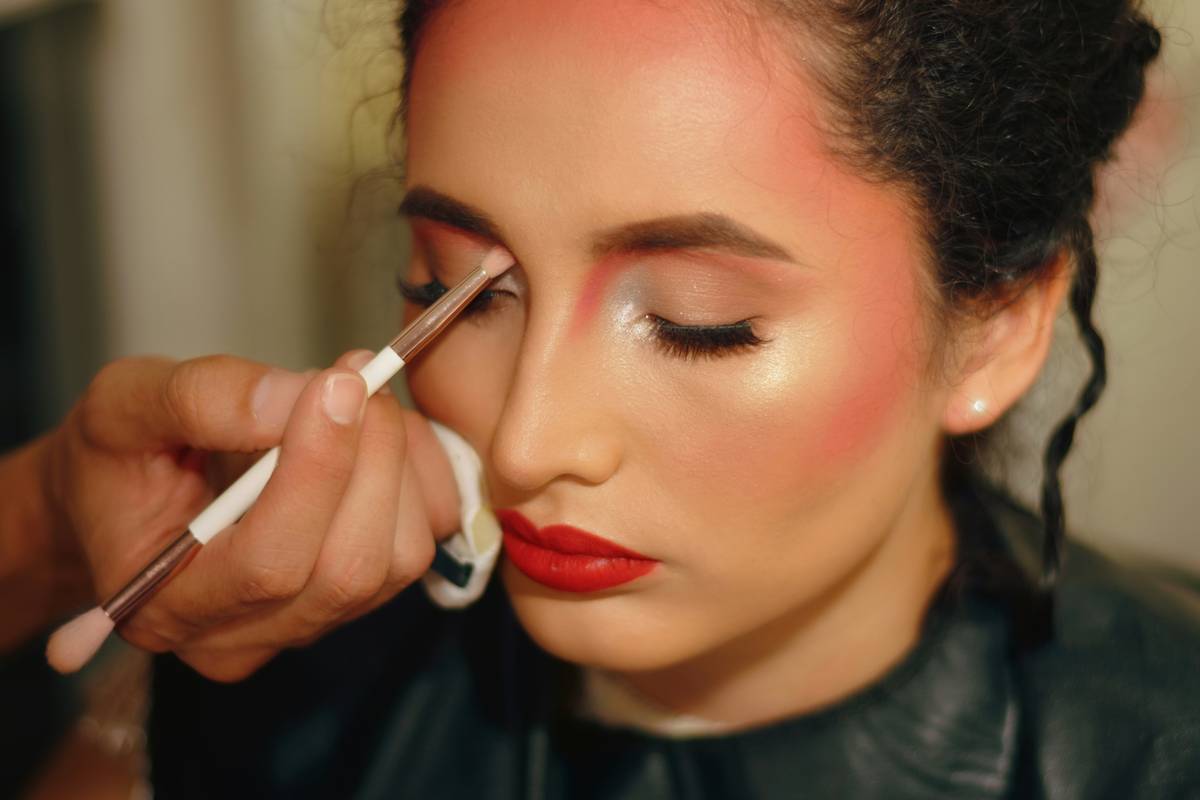
Ever spent hours crafting a bold makeup look only to watch it melt under stage lights or clash with the model’s outfit? You’re not alone. In the high-stakes world of avant-garde runway shows, expressive makeup designs can make or break a collection—literally. I once applied a brilliant cobalt-blue pigment that looked stunning in my studio mirror, only for it to oxidize into an unflattering green haze minutes before the show. Lesson learned: creativity must be grounded in technique. This guide cuts through the fluff and delivers actionable strategies for creating expressive makeup designs that hold up under pressure, photograph beautifully, and align with current editorial standards—all while staying true to your artistic vision.
Table of Contents
- Why Expressive Makeup Matters on the Runway
- Step-by-Step Guide to Crafting Standout Looks
- Pro Tips for Long-Lasting, Camera-Ready Results
- Real-World Examples from Fashion’s Frontlines
- Frequently Asked Questions
Key Takeaways
- Expressive makeup designs require more than color—they demand strategic placement, skin prep, and material compatibility.
- Always test pigments under lighting conditions that mimic the actual runway environment.
- Overloading product is the #1 cause of smudging; less often delivers more impact.
- Reference industry benchmarks like the Fashion Institute of Technology’s (FIT) guidelines for professional standards.
Why Expressive Makeup Matters on the Runway
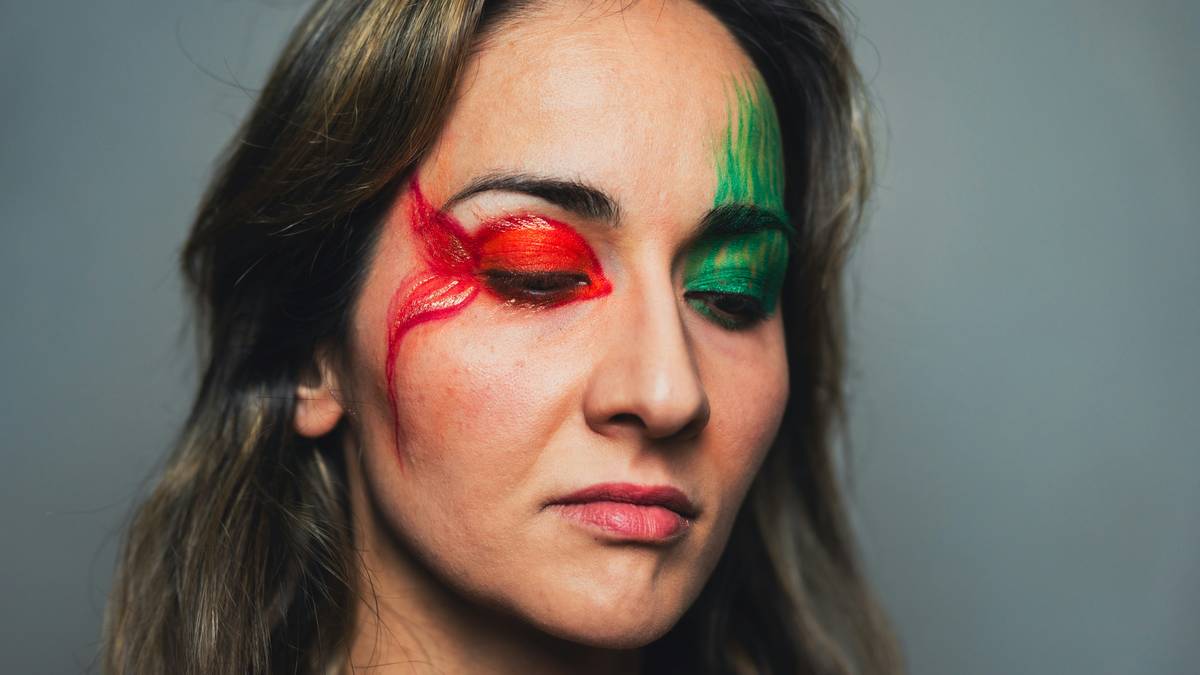
Runway isn’t just about clothes—it’s a full sensory narrative. Expressive makeup designs serve as visual punctuation, amplifying themes like rebellion, futurism, or nostalgia. According to the Fashion Institute of Technology, over 68% of top-tier fashion shows in 2023 integrated non-traditional makeup elements, from geometric cut creases to liquid-metal finishes. Yet many emerging artists treat makeup as an afterthought, leading to inconsistencies that distract from the designer’s intent.
Step-by-Step Guide to Crafting Standout Looks
1. Conceptualize with Context
Start by reviewing the collection’s mood board, fabric textures, and color palette. A matte black leather ensemble might call for sharp negative-space eyeliner, while sheer organza could pair beautifully with watercolor-like cheek gradients.
2. Prep Skin Like a Pro
Cleanse, moisturize, and prime—but choose products compatible with your intended mediums. Oil-based primers and alcohol-heavy pigments don’t mix; they’ll pill or slide off. Use a mattifying primer for cream formulas and a hydrating one for powder work.
3. Map Before You Apply
Sketch your design lightly with a white pencil or use removable tape to block out symmetry lines. This avoids accidental asymmetry, especially under time pressure backstage.
4. Layer Strategically
Build intensity gradually. Start with a diluted base, then lock it with setting spray before adding opaque layers. This prevents muddying and allows for precise corrections.
Pro Tips for Long-Lasting, Camera-Ready Results
- Avoid the “more is better” trap: Heaping glitter or multiple wet liners often leads to smearing. Precision beats volume.
- Carry emergency kits: Include micellar wipes, translucent powder, and a mini fan brush for quick touch-ups.
- Test under LED and tungsten light: What looks electric blue indoors may read as dull gray under runway spots.
- Never skip the patch test: Especially with theatrical adhesives or metallics—check for reactions 24 hours ahead. Learn more about safe cosmetic practices via the U.S. FDA’s cosmetics guidelines.
Real-World Examples from Fashion’s Frontlines
At Paris Fashion Week 2024, makeup artist Isamaya Ffrench created viral expressive makeup designs for Coperni’s AI-themed show—using silicone molds to form 3D silicone brows that moved with the models’ expressions. The key? She collaborated with material scientists to ensure flexibility and wearability. Similarly, at New York Fashion Week, a sustainable label paired biodegradable pigments with minimalist skin to highlight eco-conscious messaging. These examples prove that expressive makeup designs thrive when artistry intersects with technical rigor and clear storytelling.
Frequently Asked Questions
What’s the difference between expressive makeup designs and everyday bold makeup?
Everyday bold makeup enhances natural features (e.g., red lips, winged liner). Expressive makeup designs prioritize conceptual storytelling—often distorting, covering, or reimagining facial structure entirely for artistic effect.
Can beginners attempt expressive runway makeup?
Absolutely—but start small. Practice one element (like graphic liner or color-blocking) before combining multiple techniques. Refer to our About Us page to learn how our team began with trial, error, and relentless practice.
How do I prevent expressive makeup from transferring onto costumes?
Set every layer with a fine-mist setting spray, then dust with translucent powder. Avoid heavy creams near fabric contact points like jawlines and necklines.
Are there ethical concerns with avant-garde makeup?
Yes. Avoid cultural appropriation and ensure all materials are cruelty-free and non-toxic. Always disclose ingredient sources if sharing your work publicly—our Privacy Policy outlines how we handle user-submitted content responsibly.
Where can I get feedback on my expressive makeup designs?
We’d love to see your work! Share your concepts or questions through our Contact Us page. Our beauty experts review every submission.
What’s a terrible tip you’ve heard about runway makeup?
“Just use glue to make glitter stick.” Hard no. Craft glue irritates skin and fails under heat. Use cosmetic-grade adhesive instead—it’s formulated for safety and flexibility.
Expressive makeup isn’t about shock value—it’s visual poetry written in pigment, precision, and purpose. Whether you’re backstage at Fashion Week or experimenting in your bathroom mirror, remember: every stroke should serve the story. Ready to bring your vision to life? Reach out today—we’re here to help you create without compromise.