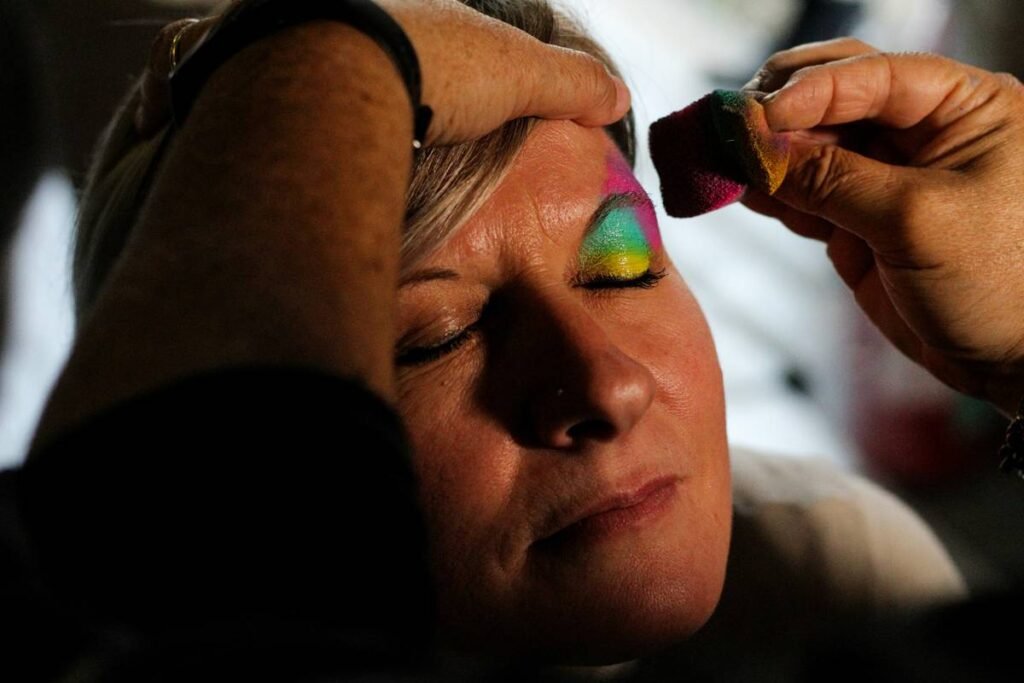
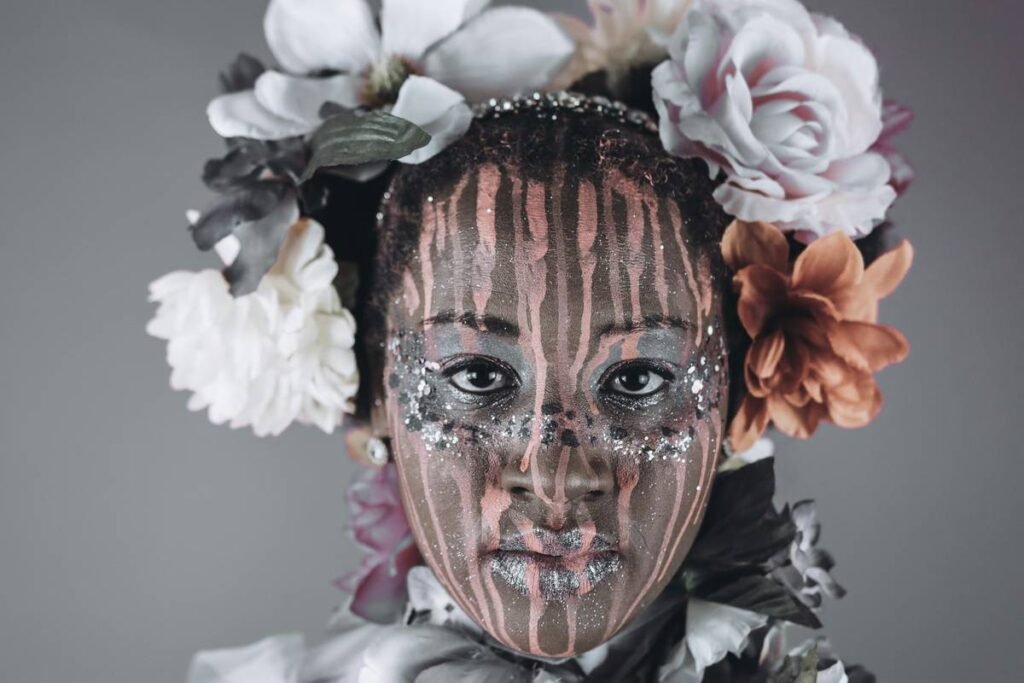
Runway makeup today drowns in sameness—glossy lids, sculpted cheekbones, and “clean girl” minimalism repeated ad nauseam. But true trendsetting makeup ideas don’t follow; they provoke. They challenge skin tones, textures, and even gender norms. The solution? Stop copying backstage looks and start reverse-engineering them through pigment psychology and light manipulation.
Why Most “Trendy” Runway Looks Fail Off-Stage
Designers demand shock value. Makeup artists deliver under fluorescent lights and 30-second photo ops. You? You live in daylight, humidity, and Zoom calls. Applying Pat McGrath’s metallic wing from Milan straight to your commute is a recipe for glitter fallout and confused stares. And most tutorials skip the critical edit—the 80% you remove before stepping into real life.
Trendsetting Makeup Ideas: A Practical Framework
Forget “how to do it.” Ask: Why does it work? Then adapt. Below is a battle-tested system used by editorial MUAs to translate runway extremes into wearable innovation.
Pigment Precision Over Product Hype
That viral cobalt liner? It’s not about the brand—it’s about undertone harmony. Cool blues flatter olive skin with pink undertones. Warm teals elevate golden complexions. Match pigments to your vein color, not Instagram trends.
Texture Stacking for Dimension
Matte + gloss on the same lid? Yes—if layered strategically. Apply cream shadow first, set edges with translucent powder, then dab gloss only on the mobile lid. This prevents creasing while creating molten depth. Pro tip: Use setting spray as a mixer to revive dried cream products.
Lighting-Aware Contouring
Runway contour relies on dramatic overhead lighting. In natural light, hard lines turn muddy. Swap angular bronzer for a sheer, cool-toned taupe applied with a damp sponge—blurred, not blocked.

| Runway Technique | Real-World Adaptation | Time Required | Longevity Boosters |
|---|---|---|---|
| Full-face rhinestones | Single gem at outer corner + iridescent highlighter | 2 minutes | Duo lash glue (waterproof) |
| Neon graphic liner | Half-wing in muted coral or moss green | 4 minutes | Setting spray over gel liner |
| Opaque white base | Mix white concealer with moisturizer for sheer luminosity | 1 minute | Blotting paper pre-powder |

The Industry Secret: Pigment Mapping
Top-tier MUAs don’t “do makeup.” They map facial topography like cartographers. Each zone—forehead apex, orbital rim, philtrum column—gets assigned a finish (satin, metallic, matte) based on how light hits it during movement. Your nose isn’t just contoured; it’s engineered to catch glints when you turn your head. Try this: Apply three finishes to one cheek—matte blush on apples, satin bronzer along hollows, liquid highlighter on highest plane. Film yourself walking toward a window. Adjust ratios until light sculpts, not flattens. This is how Chanel’s 2024 show translated into a viral TikTok filter—physics, not product.
Frequently Asked Questions
What makes makeup truly trendsetting?
It challenges convention while remaining functional. Think Fenty’s holographic freckles—not just novelty, but a new language of self-expression.
Can drugstore products achieve runway impact?
Absolutely. NYX Jumbo Pencils mimic high-end cream shadows. e.l.f. Glossy Lip Stain rivals $40 glosses when layered over liner. Technique trumps price.
How often should I update my signature look?
Seasonally—or whenever your confidence shifts. Trendsetting isn’t chasing cycles. It’s aligning your external expression with internal evolution.