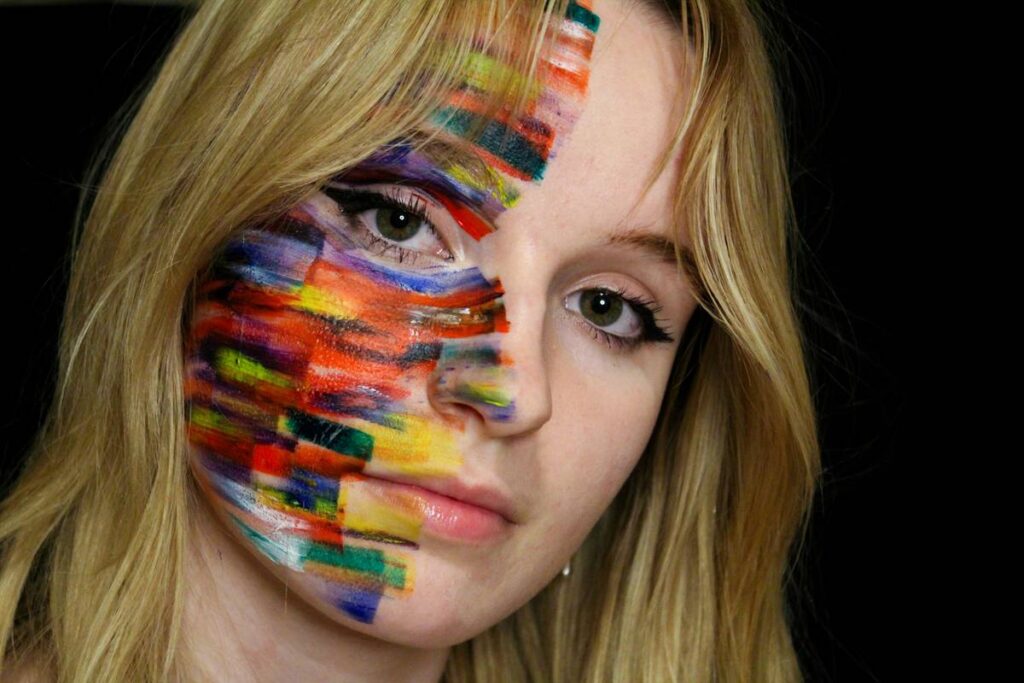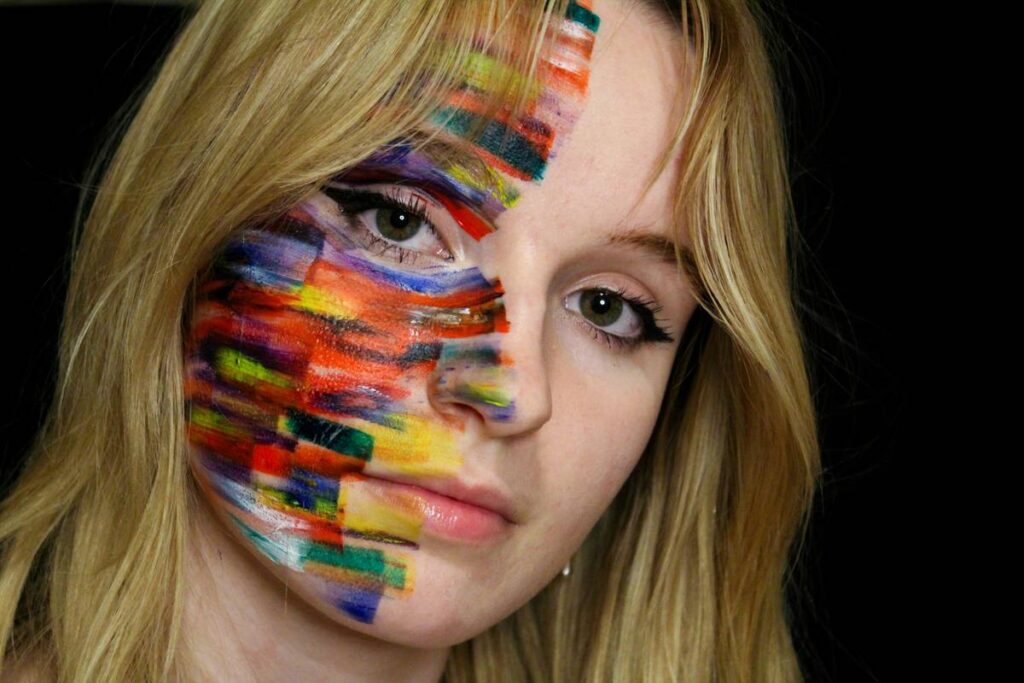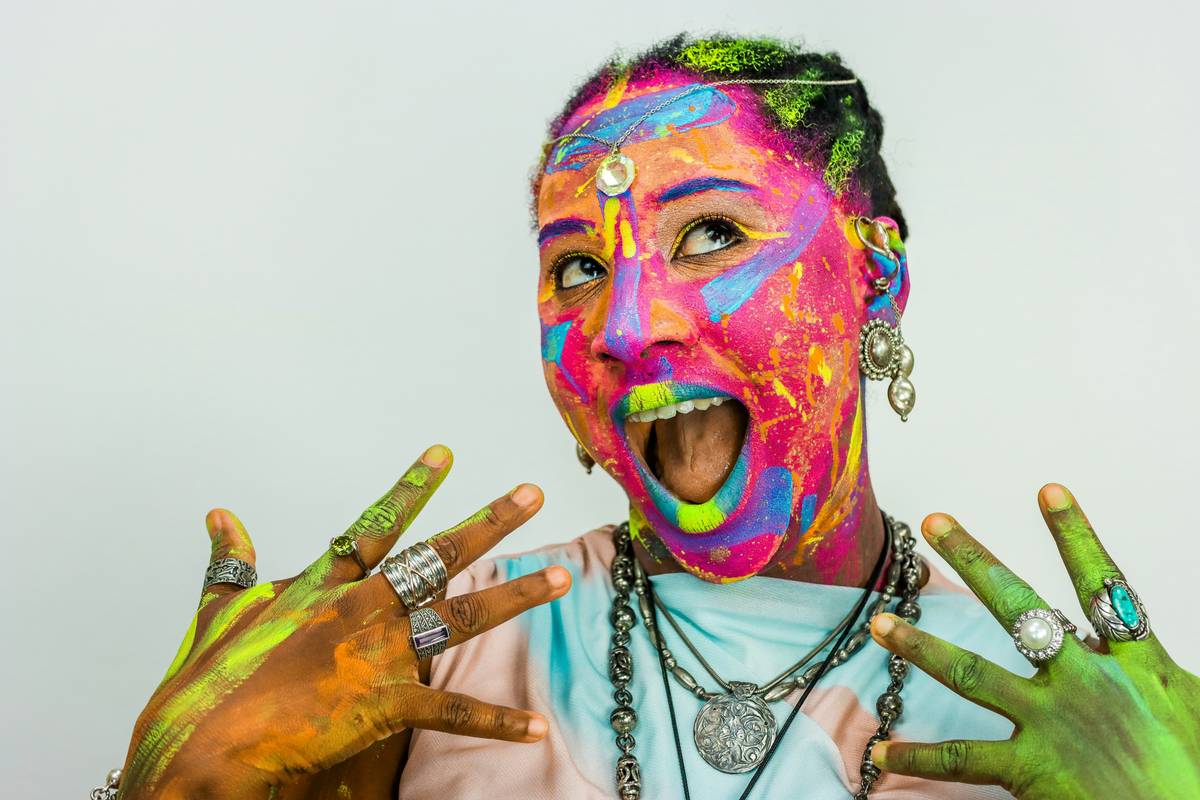
Most beauty lovers think “artistic face painting” is just for festivals or kids’ birthday parties. That assumption cripples your creative potential. On the runway, it’s not about whimsy—it’s weaponized pigment. The solution? Treat your face like a living canvas, not a mannequin.
Why Traditional Makeup Rules Fail Avant-Garde Visionaries
Foundation-first, contour-second dogma assumes symmetry. But true avant-garde makeup thrives on asymmetry, texture, and narrative disruption. Standard tutorials prep skin like it’s going on a date—not storming Paris Fashion Week. And that matte lip kit gathering dust? Useless when you need iridescent gel paint that moves with fabric under strobe lights.
The industry trains you to correct—not create.
Artistic Face Painting: A Step-by-Step Blueprint for Runway Rebellion
Sketch First, Paint Later—On Skin, Not Paper
Ditch the mood board. Use a white eyeliner pencil directly on bare, primed skin to rough out shapes. This isn’t drafting—it’s live choreography. Adjust angles based on how light hits your cheekbone at 30° vs. 90°.
Pigment Is Your Primary Tool—Not Products
Forget brand loyalty. Mix theatrical greasepaint with liquid highlighter to achieve molten metal effects. Add a drop of glycerin to acrylics for slow-drying control during long shoots. Pro tip: Alcohol-based airbrush colors crack under heat lamps; water-based ones smear. Test both.
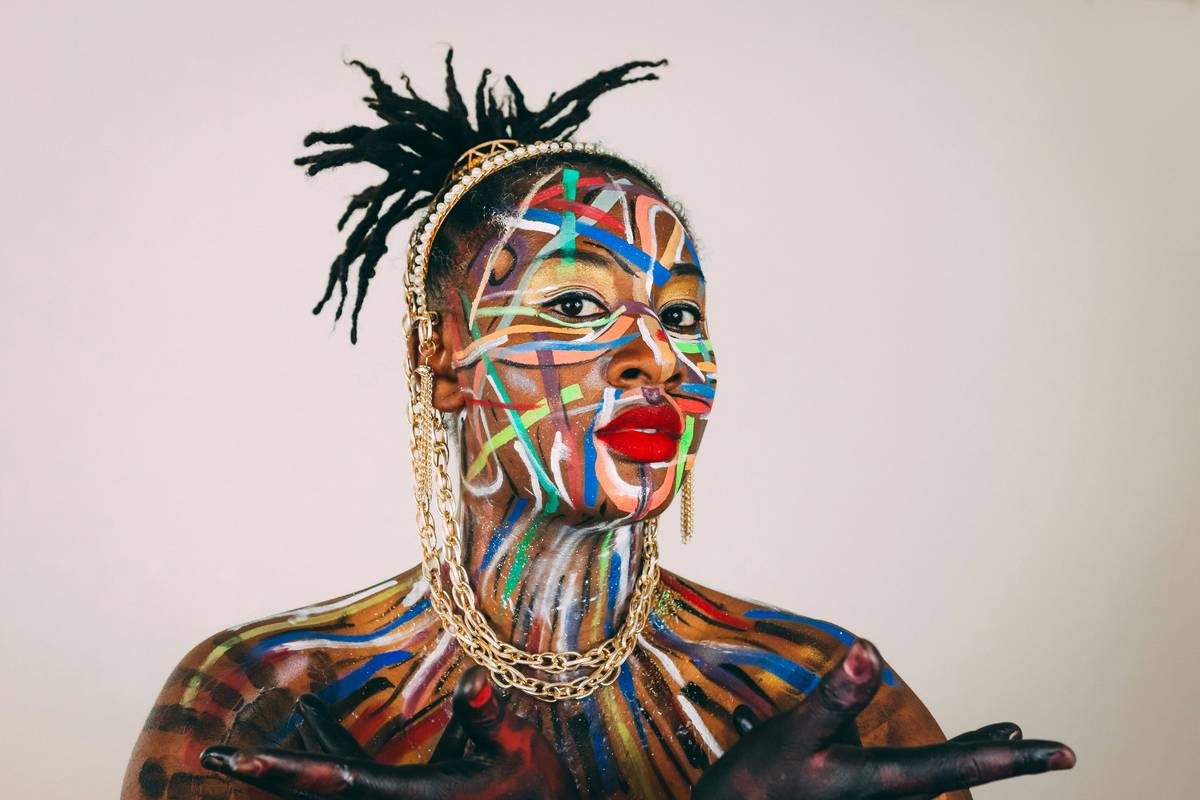
Set It Like You Mean It
A light mist of setting spray dissolves detail. Instead, use translucent setting powder tapped through a fine mesh sieve—then seal edges with clear lash glue for 12-hour wear. Yes, really.
| Medium | Best For | Drying Time | Runway Risk |
|---|---|---|---|
| Theatrical Greasepaint | Bold, opaque blocks | 15–20 mins | Smudging under hot lights |
| Water-Based Airbrush | Soft gradients | 5–8 mins | Blotting from sweat |
| Alcohol-Activated Pigments | Sharp metallic lines | Under 2 mins | Flaking if over-layered |
| Custom Mixed Acrylics | Textured sculptural effects | Varies | Requires spot testing for skin safety |
The Industry Secret No Brand Will Admit
Top makeup artists don’t start with color—they start with shadow architecture. Before applying a single stroke of “artistic face painting,” they map where shadows naturally fall under catwalk lighting (usually 45° from above). Then they enhance or invert those zones with matte black or deep violet bases. The result? Dimension that photographs like sculpture—even in flat backstage lighting. Most tutorials skip this because it requires understanding cinematography, not just cosmetics.
And here’s the kicker: the most viral runway looks are often built on failed photoshoot tests. One iconic chrome-tear design was born when an assistant dropped setting powder into wet silver paint—creating a cracked glaze effect now copied globally.
Frequently Asked Questions
Can artistic face painting damage skin?
Not if you patch-test pigments and avoid expired theatrical products. Always remove with oil-based cleanser first—never scrub.
Is artistic face painting only for professionals?
No—but amateurs should start with water-based formulas. Master blending before attempting structural designs with drying agents.
How long does avant-garde face painting last?
Properly sealed, 8–12 hours. Avoid touching, and carry a compact with matching pigment for emergency touch-ups.