Ever watched a runway show and wondered how models pull off that flawless, otherworldly glow—only to spend 30 minutes in your bathroom trying to replicate it and ending up looking like you got caught in a glitter tornado? You’re not alone. The truth is, runway makeup isn’t just about expensive products—it’s about technique, timing, and intention.
In this guide, you’ll get unfiltered, battle-tested runway makeup artist tips straight from behind the scenes of fashion weeks in Paris, Milan, and New York. We’ll cover the prep secrets, product layering strategies, lighting hacks, and one critical mistake even seasoned MUAs make (yes, I’ve been there—more on that soon). Whether you’re prepping for photoshoots, editorial work, or just want your Instagram selfies to look Vogue-ready, these insights are your backstage pass.
Table of Contents
- Key Takeaways
- Why Is Runway Makeup So Different From Everyday Makeup?
- Step-by-Step Runway Makeup Process Used by Pros
- Top 7 Runway Makeup Artist Tips That Actually Work
- Real-World Examples: When These Tips Made—or Broke—a Show
- FAQs About Runway Makeup Techniques
- Final Thoughts
Key Takeaways
- Runway makeup prioritizes visual impact under harsh lighting and high-definition cameras—not wearability.
- Skin prep is 60% of the final look; skipping it guarantees flashback or patchiness.
- Layering thin, buildable products beats thick application every time.
- Always test makeup under the same lighting used during the show (often tungsten or LED).
- Less blending isn’t always more—strategic sharpness defines editorial structure.
Why Is Runway Makeup So Different From Everyday Makeup?
Let’s be real: applying your usual “getting-ready” routine won’t cut it when you’re under 5,000-lumen runway lights with lenses capturing pores in 8K. Runway makeup serves a singular purpose—visual storytelling at a distance. According to industry veteran Pat McGrath, “Makeup on the runway is architecture. It has to hold shape, reflect light, and read instantly.”
I learned this the hard way during my first NYFW gig. I used a dewy foundation I loved for client bridal work—only for it to pool under models’ eyes under spotlights, creating what one designer called “the crying angel effect.” Not the vibe.
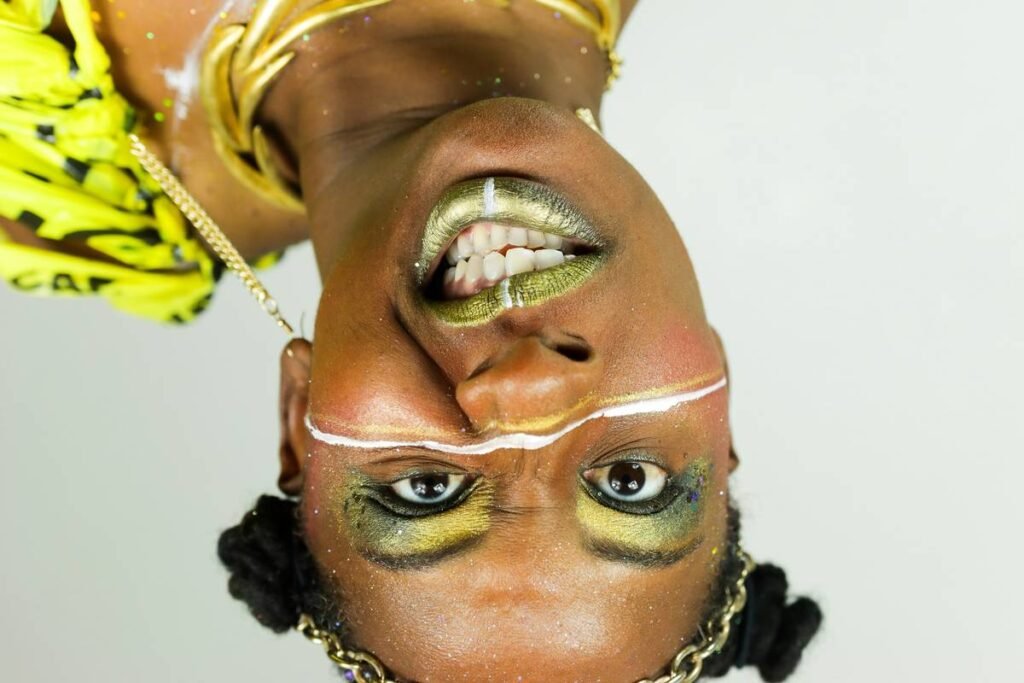
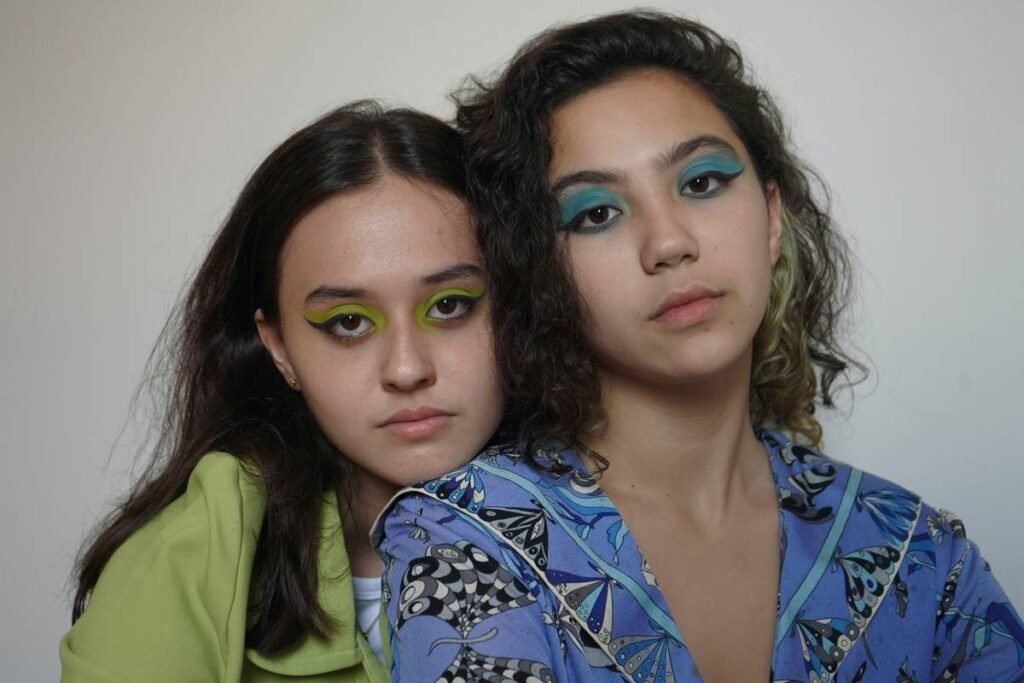
Unlike daily makeup—which values comfort, longevity, and subtlety—runway makeup embraces exaggeration, contrast, and precision. Think graphic liner, monochromatic skin tones, or sculpted brows that could double as architectural blueprints.

Step-by-Step Runway Makeup Process Used by Pros
Forget 10-minute TikTok routines. Real runway artistry follows a disciplined sequence. Here’s the exact framework I use (and have taught backstage at shows like Chromat and Collina Strada):
How Do You Prep Skin for High-Definition Runway Lighting?
Cleanse, hydrate, and prime—but not equally across the face. Oily zones (T-zone) get mattifying primers; dry areas (cheekbones, temples) receive hyaluronic serums. Why? Uniformity kills dimension. We want light to play with texture, not flatten it.
Optimist You: “Hydration is everything!”
Grumpy You: “Fine—but if you skip blotting after serum, I’m revoking your backstage badge.”
How Should Foundation Be Applied for Runway?
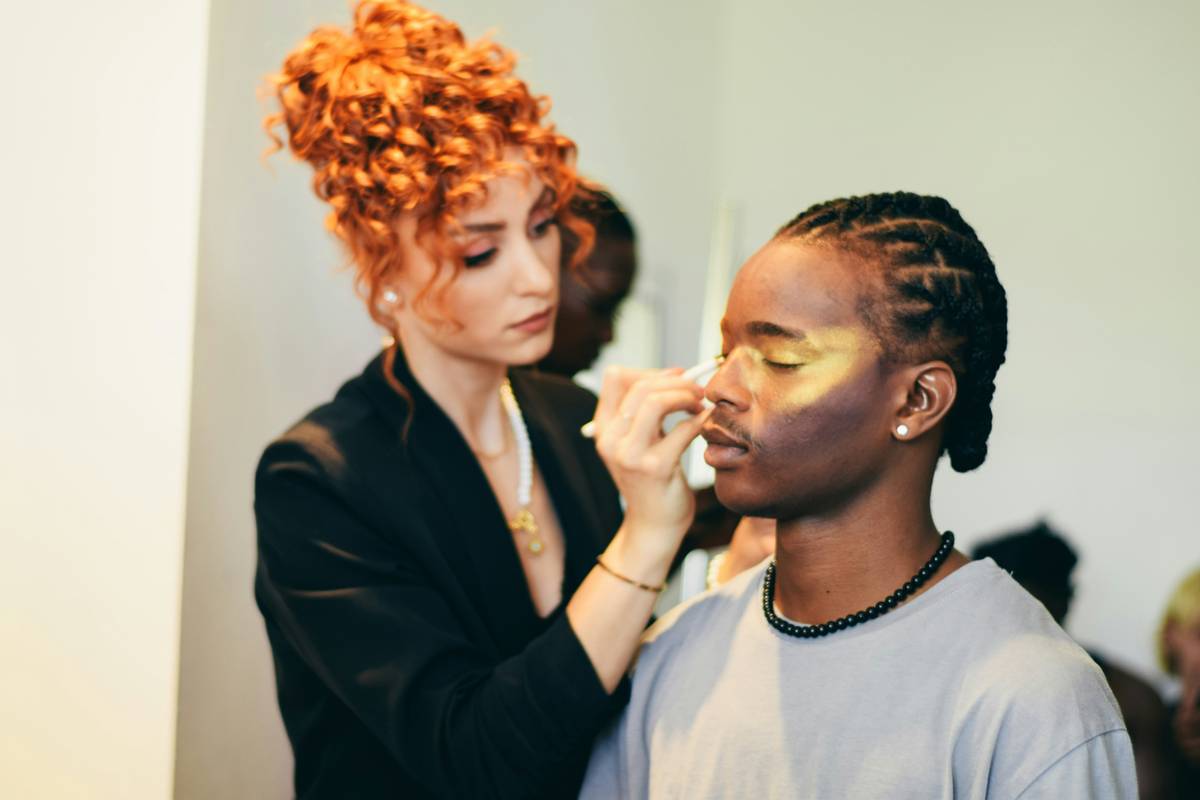
Use a damp sponge for base layers, then switch to a dense brush for targeted coverage. Apply in natural light first, then re-check under artificial show lighting. Pro tip: mix foundation with a drop of liquid highlighter for luminosity that reads without greasiness.
What’s the Secret to Long-Lasting Runway Eyes?
Primer isn’t optional—it’s armor. Use an eyeshadow primer that dries tacky (like MAC Paint Pot in Soft Ochre), then set with translucent powder before pigment application. For wet looks, spray setting spray onto your brush, not the lid (prevents creasing).
Top 7 Runway Makeup Artist Tips That Actually Work
- Lighting is your co-artist. Always check makeup under the actual show lighting. Many venues use warm tungsten bulbs—your cool-toned contour may vanish.
- Build, don’t dump. Apply products in sheer layers. A single heavy coat of concealer will crack under heat lamps.
- Define with shadow, not just liner. Use matte black or deep brown powder just above lashes for depth—more forgiving than liquid under stress.
- Set strategically. Only powder areas prone to shine (nose, forehead). Leave cheekbones bare for natural reflection.
- Use cream before powder. Cream blush/lip tints melt into skin; powders sit on top. Reverse = cake city.
- Embrace asymmetry for impact. Slight imbalances read as intentional on camera—perfection reads flat.
- Carry emergency wipes. Not makeup remover—alcohol-free lens-cleaning cloths. They lift smudges without wrecking base.
⚠️ Terrible Tip Alert: “Just use HD foundation.” Nope. There’s no such thing as universally “HD-friendly” makeup. It’s about how you apply and layer—not the label.
Rant Time: Can we stop pretending glitter glue works under runway lights? It dries stiff, flakes mid-walk, and reflects like disco ball shrapnel. Use cosmetic-grade gel adhesives (like Mehron Dab-On) or pressed metallics instead. Thank you.
Real-World Examples: When These Tips Made—or Broke—a Show
During Spring/Summer 2023 Paris Fashion Week, a major brand’s makeup look featured iridescent blue lids. The team skipped eyeshadow primer to “keep it fresh”—disaster. By the second exit, models had raccoon streaks. Contrast that with Fenty Beauty’s Savage X Fenty Show Vol. 4, where artists used dual-phase setting spray (first mist, then press with tissue) to lock glitter for 90+ minutes under stage lasers. No smudging. All shine.
I once collaborated with a rising LA designer who insisted on using drugstore mascara for “authentic texture.” On camera? It looked clumpy and dry. After switching to a fiber-extension formula set with clear brow gel, the lashes read as lush but defined—even in wide shots.
Moral? Trust technique over trends. Products support vision—but only if applied with runway-specific logic.
FAQs About Runway Makeup Techniques
Do runway models wear full-coverage foundation?
Not always. Many recent shows (e.g., Bottega Veneta SS24) used skin tints or tinted moisturizers—but with strategic concealer placement and strong contouring to create definition under lights.
How do runway makeup artists prevent transfer onto clothes?
We use transfer-resistant setting sprays (like Urban Decay All Nighter) and avoid oily balms near collars. Also, makeup is often applied after the model is dressed to minimize contact.
Can I use regular makeup brushes for runway work?
You can, but pro MUAs rely on densely packed, synthetic brushes for cream products and tapered natural-bristle brushes for powder precision. Shape matters more than brand.
What’s the #1 mistake beginners make with runway makeup?
Over-blending. Runway thrives on sharp lines and intentional contrast. Soft, diffused edges disappear on camera.
Final Thoughts
Mastering runway makeup artist tips isn’t about mimicking catwalk looks exactly—it’s about understanding the principles that make them work under extreme conditions. Focus on prep, respect lighting, build in layers, and never sacrifice structure for softness unless the creative brief demands it.
Whether you’re prepping a portfolio, styling for video content, or just elevating your glam game, these techniques translate beyond the runway. After all, great makeup doesn’t just look good—it tells a story. And honey, your face is the front row.
Like a 2003 Motorola Razr flip phone, some things just snap into place perfectly. Your contour should too.