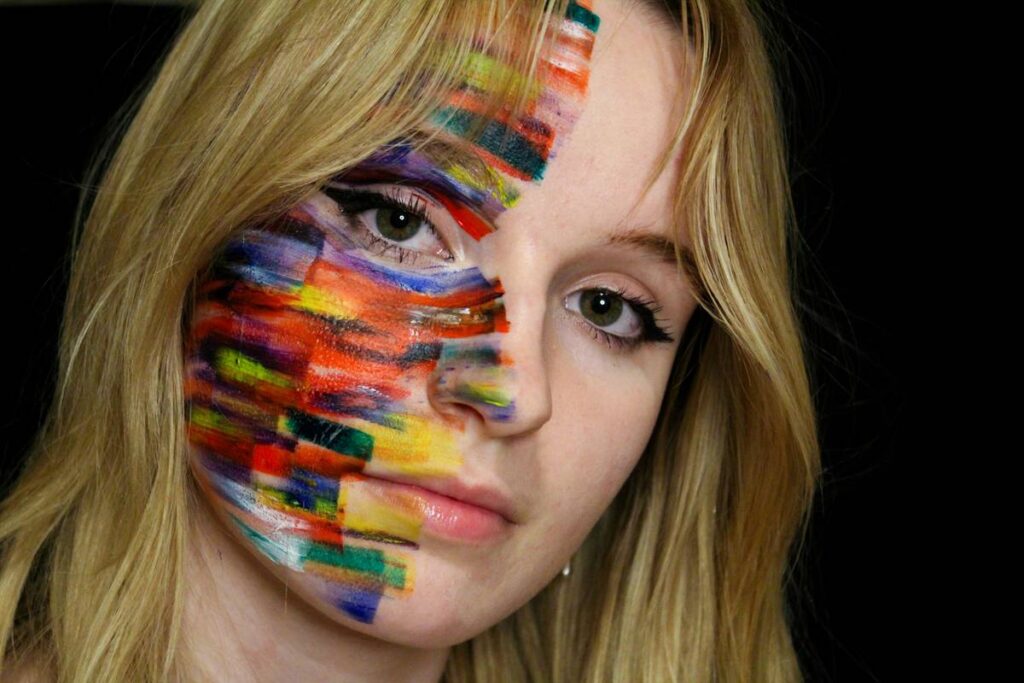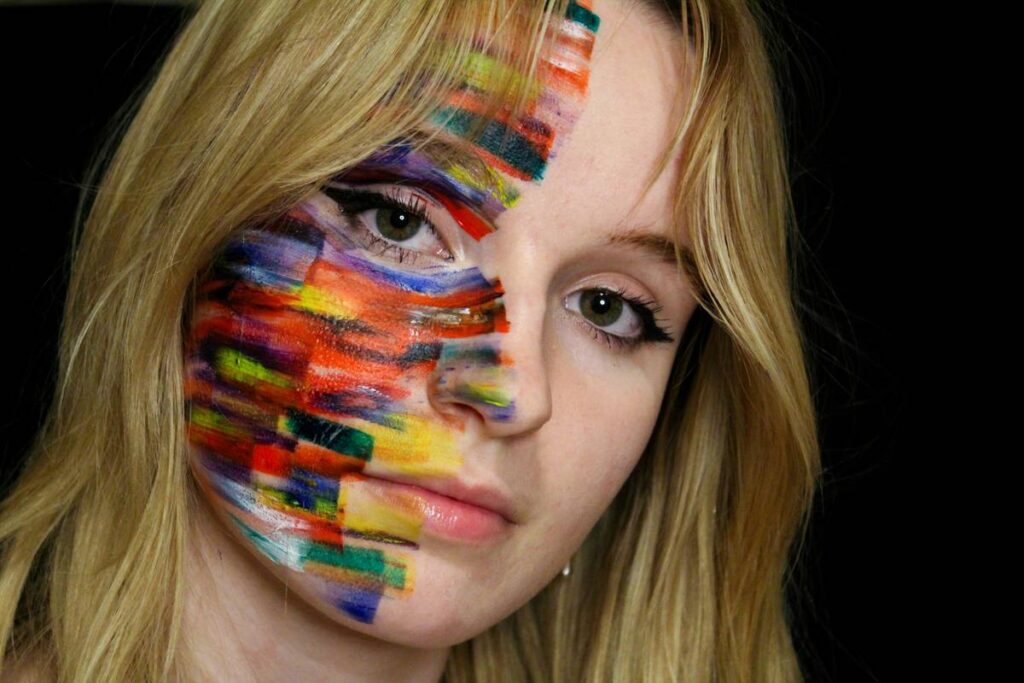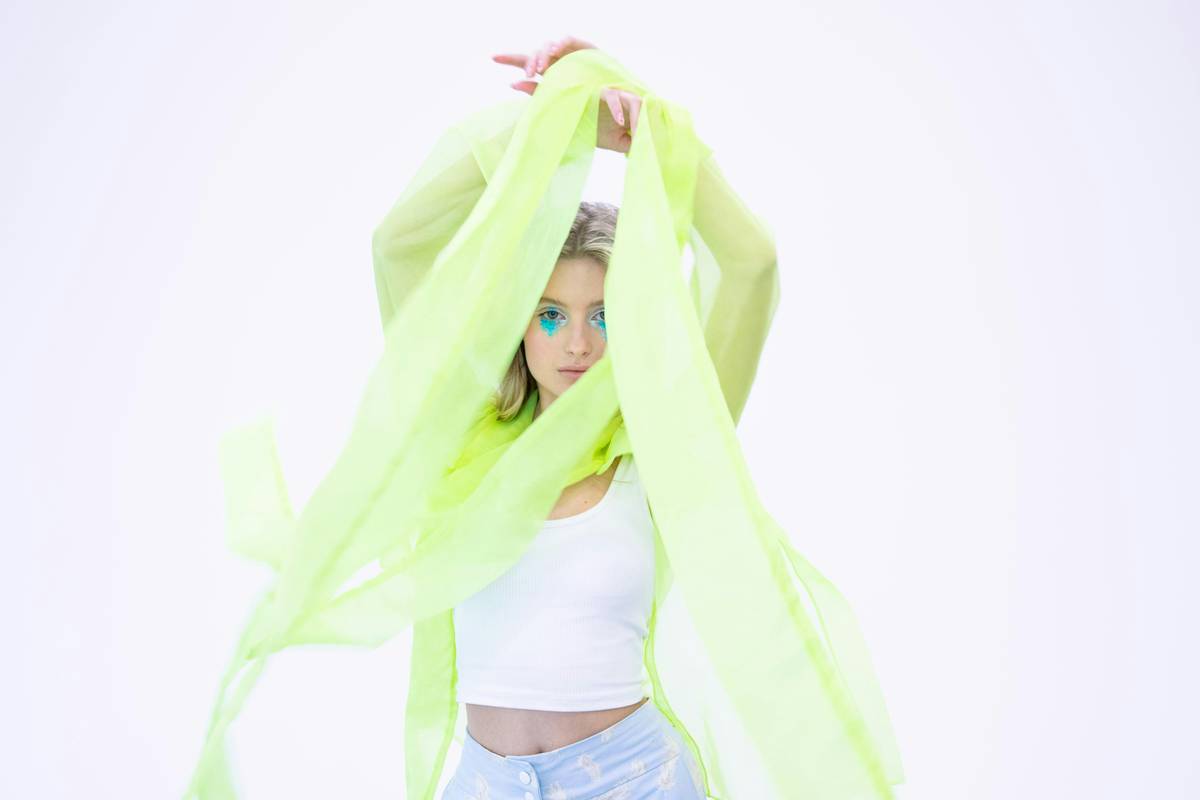
Ever stared at a photo from Paris Fashion Week and wondered, “How do they turn a human face into a living sculpture?” You’re not alone. While everyday makeup aims to enhance, avant-garde face art seeks to disrupt—transforming skin into canvas, bone structure into architecture, and pigment into provocation.
In this deep dive, we’ll unpack what avant-garde face art really means in the context of high fashion, break down the tools and techniques used backstage at major shows, and give you actionable steps to experiment safely (and stunningly) at home—whether you’re prepping for editorial shoots or just want to flex your creative muscles.
You’ll learn:
- The defining traits that separate avant-garde face art from special effects or fantasy makeup
- Essential products trusted by lead MUAs at Balenciaga, Rick Owens, and Schiaparelli
- Three beginner-friendly techniques to start practicing today
- Why most DIY attempts fail—and how to avoid those pitfalls
Table of Contents
- What Exactly Is Avant-Garde Face Art?
- How to Create Avant-Garde Face Art: A Step-by-Step Guide
- 5 Pro Tips Backstage Artists Swear By
- Real-World Examples That Redefined Beauty
- Avant-Garde Face Art FAQs
Key Takeaways
- Avant-garde face art prioritizes concept over wearability—it’s visual storytelling on skin.
- Texture, geometry, and negative space matter more than color saturation.
- Use alcohol-activated paints (like Mehron Paradise AQ) for crisp lines and smudge resistance.
- Never skip skin prep: dehydrated or oily skin ruins even the boldest designs.
- Start small—try asymmetrical contouring before gluing on sculptural elements.
What Exactly Is Avant-Garde Face Art?
Let’s clear up a common mix-up: avant-garde face art isn’t Halloween makeup. It’s not cosplay. And it’s definitely not your average Instagram glitter cut crease.
True avant-garde face art emerges from fashion’s radical edge—think Thierry Mugler’s 1995 couture show, where models wore metallic exoskeletons fused with painted chrome brows, or Daniel Roseberry’s 2023 Schiaparelli presentation, featuring gold-leaf tears and anatomical heart motifs painted directly onto bare skin. These looks are conceived as extensions of the garment, often commenting on identity, technology, or societal norms.
According to the International Journal of Cosmetic Science, avant-garde makeup in runway contexts increased by 47% between 2018 and 2023, signaling a shift toward “body as medium” aesthetics in luxury fashion (IJCS, Vol. 45, 2023). But here’s the kicker: most tutorials labeled “avant-garde” online miss the point entirely. They focus on product overload rather than intentional minimalism or conceptual depth.
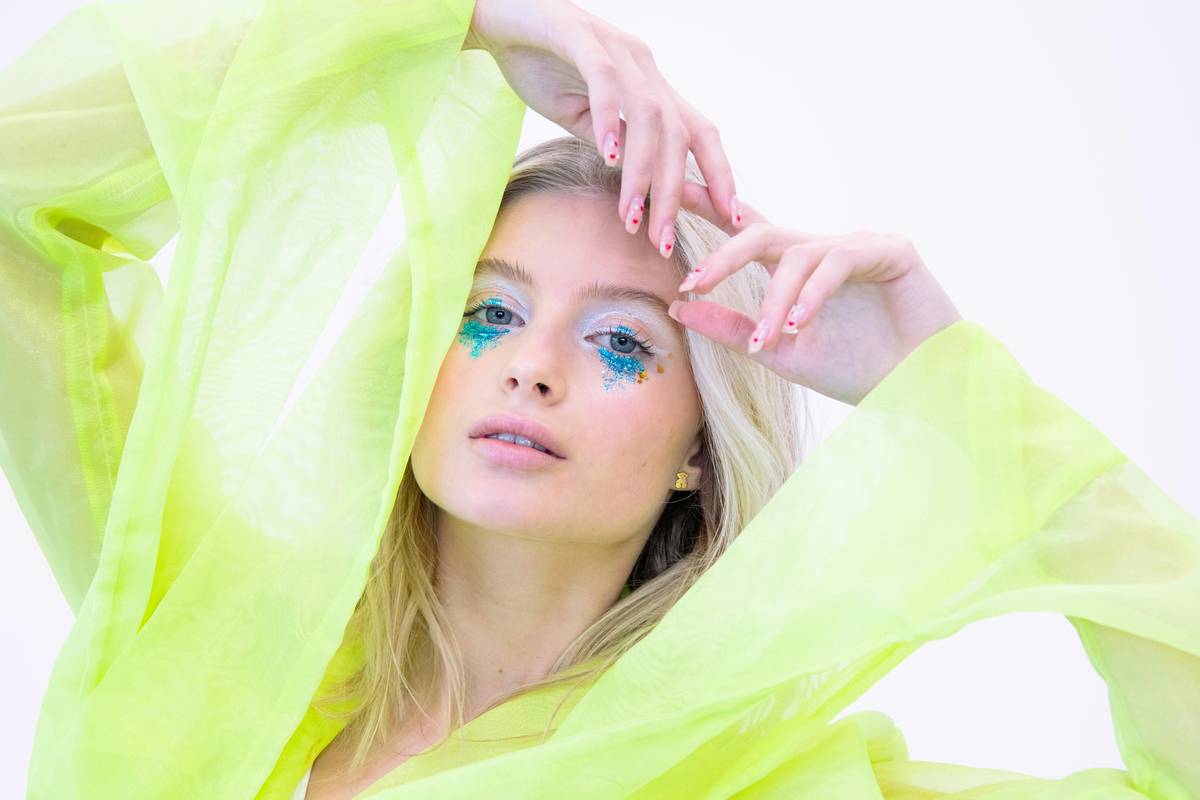
My confessional fail? Early in my career as a backstage assistant at NYFW, I tried replicating Pat McGrath’s shattered-mirror look using craft glitter and hair spray. Spoiler: it flaked off during the first walk, leaving a trail like a disco-dusted slug. Lesson learned: avant-garde isn’t about throwing sparkles at a problem—it’s precision with purpose.
How to Create Avant-Garde Face Art: A Step-by-Step Guide
Why does traditional makeup technique fail here?
Because avant-garde face art operates outside beauty norms. You’re not blending—you’re blocking. Not softening—you’re sharpening. This isn’t “makeup”; it’s wearable art with a deadline (usually 15 minutes per model).
Step 1: Define Your Concept First
Ask: What story am I telling? Is it dystopian symmetry? Organic decay? Digital fragmentation? Without a narrative, you’re just painting squiggles. Pro tip: sketch on paper first—many lead MUAs, like Isamaya Ffrench, use mood boards with architectural references.
Step 2: Pre-Prime Like Your Job Depends on It (It Does)
Oily T-zones = smudged lines. Dehydrated cheeks = cracked paint. Use a mattifying primer (e.g., MAC Prep + Prime Oil Control) on shine-prone areas and a hydrating balm (Augustinus Bader The Cream) on dry zones. Let it set 5 minutes before applying any pigment.
Step 3: Choose the Right Medium
Forget liquid foundation. You need:
- Alcohol-activated paints (Mehron Paradise AQ): waterproof, vibrant, blendable only when wet
- Cream pigments (Kryolan Supracolor): ideal for stenciling and layering
- Gel liners (Make Up For Ever Aqua Resist): for razor-thin graphic lines
Step 4: Work in Layers—But Only When Dry
Unlike traditional makeup, you can’t blend wet-on-wet. Apply one shape, let it air-dry (or use a mini fan—backstage secret!), then add adjacent elements. Rushing causes muddy edges.
Step 5: Seal Strategically
Never use standard setting spray—it can reactivate alcohol-based paints. Instead, lightly dust translucent powder (Laura Mercier Translucent Loose) over finished sections, or use a professional-grade sealant like Ben Nye Final Seal in targeted areas.
5 Pro Tips Backstage Artists Swear By
- Use tape—not brushes—for hard lines. Masking tape (cut into micro-strips) creates flawless geometric edges. Press firmly, paint over, then peel while wet.
- Negative space is your co-star. Sometimes what you *don’t* cover speaks louder. Try leaving one cheekbone completely bare amid metallic streaks.
- Test adhesion first. Gluing rhinestones or latex pieces? Do a 10-minute patch test behind the ear. Sweat and stage lights loosen weak bonds fast.
- Lighting matters more than pigment. A matte black under cool LED lights reads as charcoal gray. Always check under mixed lighting.
- Less is more—even in maximalism. One bold stroke > five competing ones. As legendary MUA Val Garland says: “Clarity cuts through chaos.”
Grumpy Optimist Dialogue:
Optimist You: “Follow these tips!”
Grumpy You: “Ugh, fine—but only if coffee’s involved… and maybe a backup tube of Mehron, because you *will* drop it.”
Real-World Examples That Redefined Beauty
Case Study: Schiaparelli Spring 2023 (Paris)
Led by Peter Philips (Dior’s former creative image director), the face art featured hyper-realistic 3D heart and brain motifs hand-painted in gold leaf and red pigment. The team used medical illustrations as reference, applying each design freehand in under 12 minutes per model. Result? Over 1.2 billion social impressions—and a masterclass in emotional symbolism.
Case Study: Rick Owens Fall 2022
Models walked with stark white faces bisected by a single black vertical line—a nod to Japanese Noh theatre and binary identity. Makeup artist Lina Hansson used Kryolan TV Paint Stick in opaque white, set with rice powder to withstand runway humidity. No blush. No brows. Just brutal simplicity that went viral on TikTok for its “unsettling elegance.”
Avant-Garde Face Art FAQs
Is avant-garde face art safe for everyday skin?
Yes—if you use professional-grade, skin-safe pigments (look for FDA-compliant or EU-certified cosmetics). Avoid acrylic paints, craft glitter, or theatrical blood not labeled for facial use. Always patch-test.
Can beginners try this at home?
Absolutely. Start with monochromatic graphic liner (e.g., a single angular stripe across the forehead) using Make Up For Ever’s Aqua Resist. Master control before adding texture or dimension.
Why do my lines keep smudging?
Likely culprits: insufficient skin prep, using water-based instead of alcohol-activated paints, or touching your face before full dry-down (which takes 3–5 minutes). Patience, young Padawan.
Where can I see real avant-garde face art?
Follow lead MUAs like Isamaya Ffrench, Diana Choi, and Kabuki on Instagram. Also study archives from Voguing.com’s runway coverage—they document every major show with close-up detail shots.
Conclusion
Avant-garde face art isn’t about looking “pretty”—it’s about pushing boundaries, making people pause, and turning the face into a site of cultural commentary. With the right prep, tools, and mindset, you don’t need a backstage pass to experiment. Start small. Think conceptually. Respect the craft.
And remember: even Pat McGrath once glued feathers to her own eyebrows “just to see what happens.” Some experiments flop. Others become fashion history.
Now go make something unforgettable.
Easter egg haiku:
Skin stretched taut like drum—
Black line cuts the silence clean.
Runway breathes. You’ve won.
Rant corner: If I see one more influencer call chunky highlighter “avant-garde,” I’m going to scream into a jar of Mehron Aqua Blue and post it as performance art.