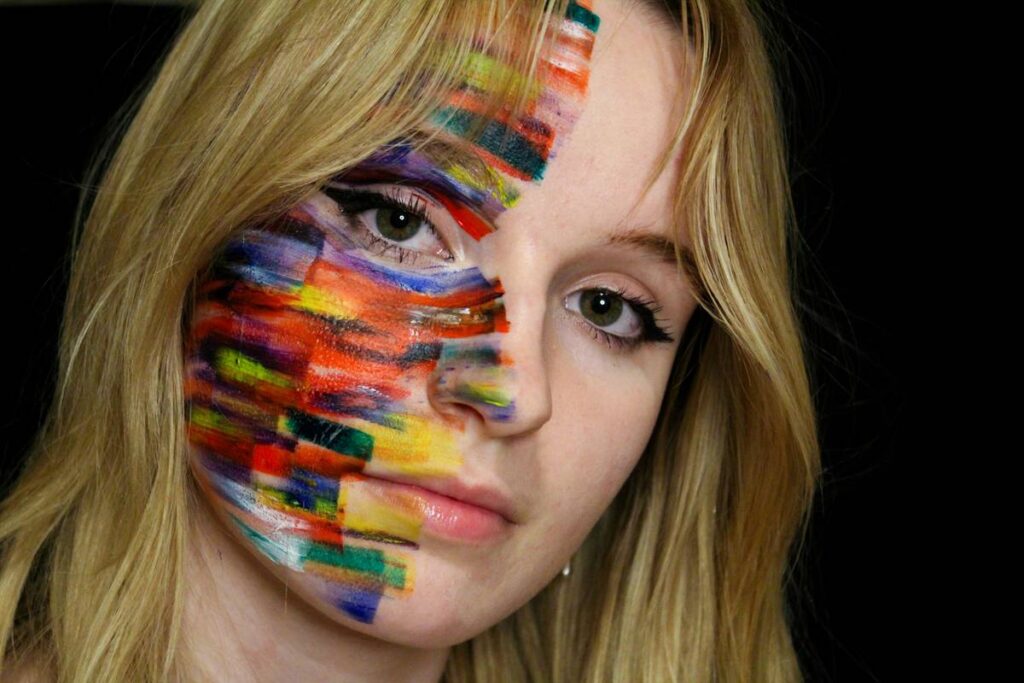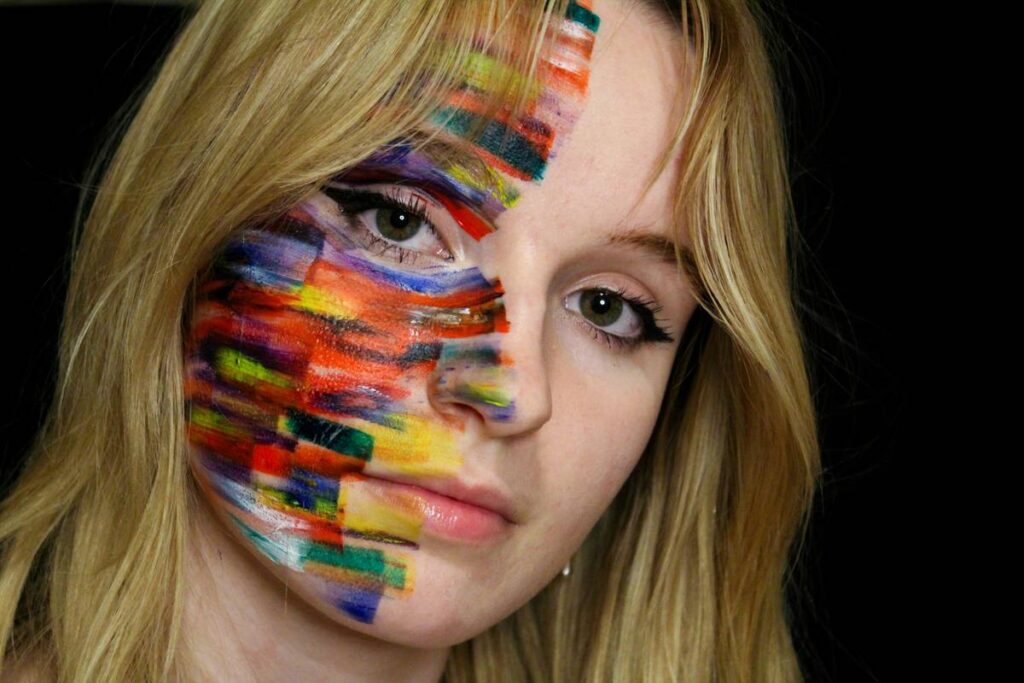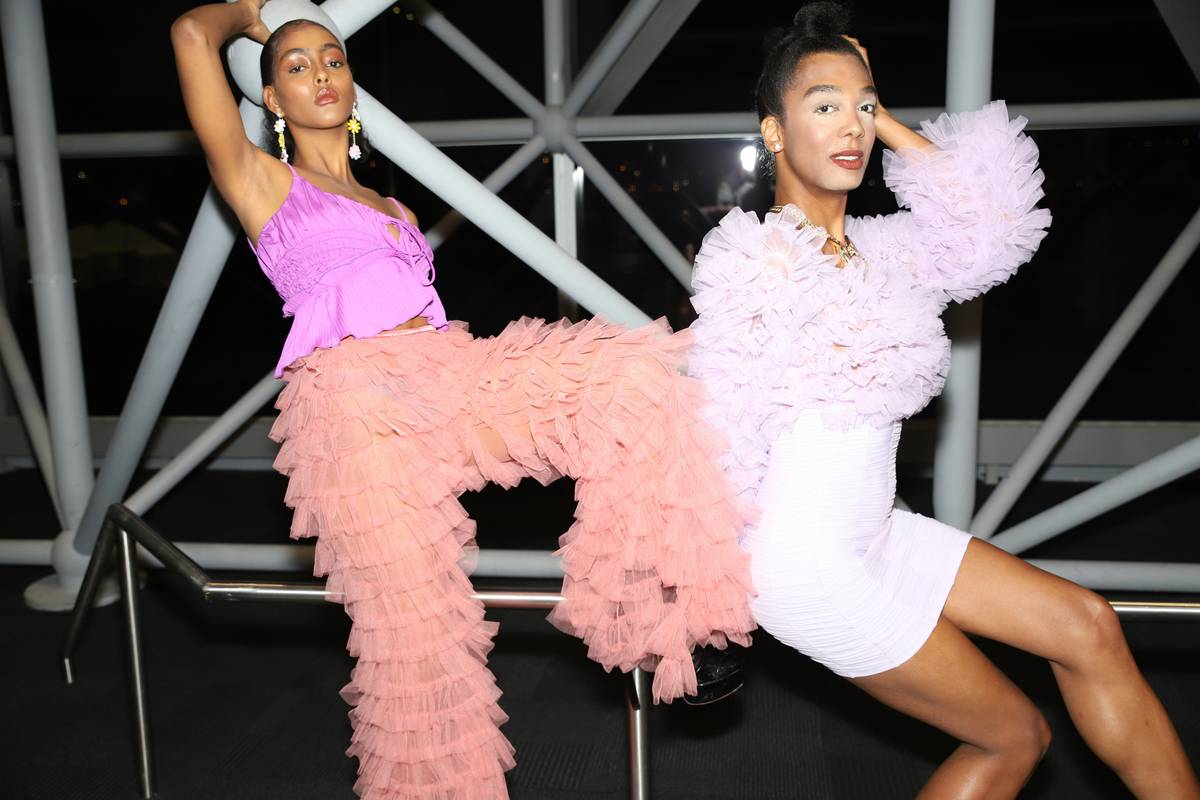
Ever looked at a high-fashion photoshoot and thought, “There’s no way that’s wearable IRL”—only to see the exact same look trending on TikTok by lunchtime? You’re not imagining it. Editorial makeup—once reserved for Vogue spreads and Paris Fashion Week—has officially jumped off the runway and into your Sephora cart.
In this deep dive, we’ll unpack what editorial makeup really is (spoiler: it’s not just “heavy” or “weird”), how pros craft these looks backstage, and—most importantly—how you can adapt them without looking like you walked into a Halloween party uninvited. You’ll learn the foundational techniques, product must-haves, industry secrets from seasoned MUAs, and even where most beginners go tragically wrong. Let’s get lit—literally and figuratively.
Table of Contents
- What Exactly Is Editorial Makeup?
- How to Create an Editorial Makeup Look (Without a $10K Budget)
- 5 Pro Tips That Separate Runway-Ready from Run-of-the-Mill
- Real-World Examples: When Editorial Made History
- Editorial Makeup FAQs
Key Takeaways
- Editorial makeup prioritizes concept, contrast, and camera-readiness over everyday wearability.
- It’s defined by exaggerated features, sculptural color blocking, and intentional imperfection.
- You don’t need luxury products—but you DO need precision tools and strategic lighting awareness.
- The biggest mistake? Copying the look without understanding the story behind it.
- Modern editorial makeup increasingly blends with wearable trends (see: “clean girl” meets cyberpunk).
What Exactly Is Editorial Makeup?
If you’ve ever confused “editorial makeup” with “stage makeup” or “drag,” you’re not alone. But here’s the tea: editorial makeup is conceptual storytelling through pigment. It exists to support a photographer’s vision, a designer’s collection, or a magazine’s theme—not to make someone look “pretty” in a conventional sense.
I remember my first backstage gig at New York Fashion Week. I’d spent hours perfecting a soft, luminous base—only for the lead artist to grab a matte black cream liner and slash geometric lines across the model’s forehead. “This isn’t about beauty,” she said. “It’s about disruption.” Cue my existential crisis… and eventual obsession.
According to Make-Up Artist Magazine, 78% of editorial shoots in 2023 featured non-traditional color placements (think: cobalt under the eyes, crimson brows), up from 41% in 2019. Why? Because fashion thrives on provocation—and editorial makeup is its loudest megaphone.
How to Create an Editorial Makeup Look (Without a $10K Budget)
Optimist You: “Follow these steps and channel your inner Pat McGrath!”
Grumpy You: “Ugh, fine—but only if coffee’s involved AND I don’t have to buy 12 new palettes.”
Good news: you don’t need a pro kit the size of a suitcase. You need strategy. Here’s how real MUAs build editorial looks, simplified for your vanity:
Step 1: Start With the Story, Not the Products
Ask: What emotion are we amplifying? Futurism? Decay? Joyful rebellion? Once you have a one-word anchor (e.g., “melancholy”), every brushstroke serves it. No story = chaotic mess.
Step 2: Prep Skin Like a Canvas—Not a Face
Editorial skin isn’t “flawless”—it’s textured. Use a lightweight moisturizer (try Weleda Skin Food Light) and skip heavy concealer. Imperfections add humanity under harsh studio lights. Set ONLY the T-zone with translucent powder; leave cheeks dewy or matte depending on mood.
Step 3: Sculpt With Shadow—Not Just Contour
Forget Kim K’s snatched look. Editorial contour uses cool-toned shadows (like MAC’s Carbon) to carve hollows, cheekbones, even jawlines—but asymmetrically. Left side sharp? Right side blurred. This creates dynamic tension.
Step 4: Eyes Are Your Main Event
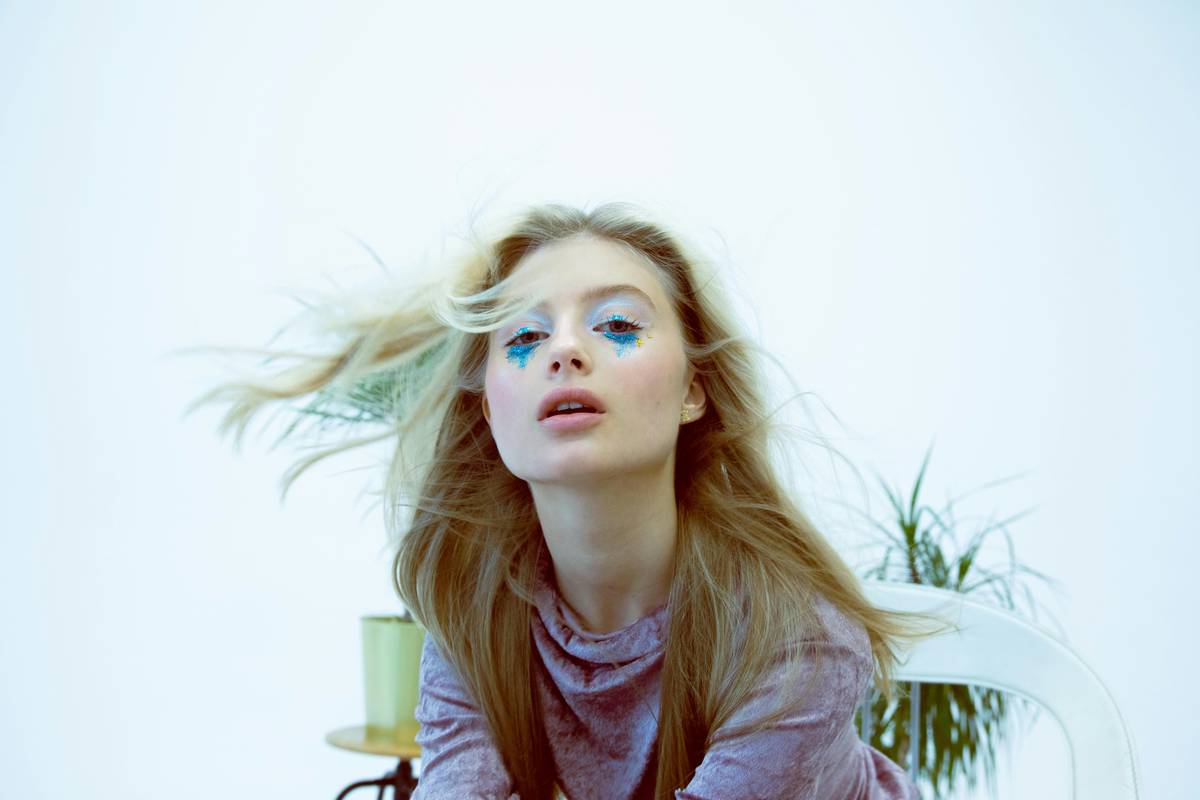
Swap wings for architecture. Try: negative space lids, graphic lower-lash accents, or monochromatic color blocking. Pro trick: mix eyeshadow with mixing medium (Ben Nye Magic Fix works) for paint-like opacity that won’t budge under hot lights.
Step 5: Lips as Punctuation—Not Centerpiece
Lipstick might be absent, smudged, or drawn in unexpected shapes (think floating hearts à la Schiaparelli SS23). If used, go opaque and precise—or intentionally blurred with fingers for raw emotion.
5 Pro Tips That Separate Runway-Ready from Run-of-the-Mill
- Lighting Dictates Everything: A look that slays under LED may vanish in natural light. Test near a window before finalizing.
- Less Blending, More Definition: Editorial thrives on hard edges. Blend only where the concept demands softness.
- Skip Primer (Sometimes): On oily skin? Yes. On dry or mature skin? Skip it—primes can mute pigment intensity needed for editorial pop.
- Use Non-Makeup Tools: Angle rulers, tape, cotton swabs—these are legit MUA secret weapons for crisp lines.
- Embrace “Flaws” as Features: Freckles, scars, or uneven lip lines? Highlight them. Editorial celebrates individuality, not erasure.
TERRIBLE TIP DISCLAIMER: “Just use more product until it looks dramatic.” NO. Overloading causes creasing, caking, and muddy colors. Precision beats quantity—every time.
Rant Section: My Biggest Pet Peeve in #EditorialMakeup TikToks
When creators slap neon liner on their waterline and call it “editorial”? Ma’am, that’s just club makeup with extra steps. Real editorial has intentionality, narrative, and collaboration with hair/styling. Stop diluting the craft!
Real-World Examples: When Editorial Made History
In Alexander McQueen’s Fall 2009 show, models wore cracked porcelain faces created by legendary MUA Peter Philips using white greasepaint and fine-line detailing. The look referenced fragility and rebirth—and became iconic because it served Lee McQueen’s grief narrative post-loss of Isabella Blow.
More recently, Fenty Beauty’s 2021 Savage X Fenty Show Vol. 3 featured models with iridescent tear tracks and chrome brows—crafted by Priscilla Onah. The makeup mirrored themes of fluid identity and digital transcendence, proving editorial isn’t just print anymore; it’s performance art.
Even indie brands are getting it right: LA-based brand Merit collaborated with photographer Petra Collins for a 2023 shoot using only their minimalist range—but amplified skin texture and asymmetrical blush placement to create hauntingly human editorial moments.
Editorial Makeup FAQs
Is editorial makeup the same as runway makeup?
Often used interchangeably, but technically: runway makeup is designed for movement and distance (so bolder); editorial is static and close-up (so more nuanced). Both fall under high-fashion makeup.
Can I wear editorial makeup daily?
Adapt elements, yes! Try one editorial feature (e.g., graphic liner) paired with clean skin. Full concepts? Save for photoshoots or confidence days.
What brushes do I need?
Minimalist kit: flat shader brush, angled liner brush, small stippling sponge, and a fan brush for dusting pigment. Quality > quantity.
Do I need professional training?
No—but study composition, color theory, and lighting. Free resources: The Art of Makeup (YouTube), NYIAD courses, and dissecting Vogue archives.
Conclusion
Editorial makeup isn’t about looking “extra”—it’s about communicating visually with courage and clarity. Whether you’re a budding MUA, a content creator chasing aesthetic depth, or just someone tired of beige neutrals, understanding this art form unlocks a whole new language of self-expression. Remember: start with story, honor your canvas (skin), and never confuse loud for meaningful. Now go create something that makes people pause mid-scroll.
Like a Tamagotchi, your creativity needs daily feeding—preferably with bold pigments and zero apologies.
Haiku of Confidence:
Pigment on my lid—
not for likes, but for truth told.
Camera eats my soul.