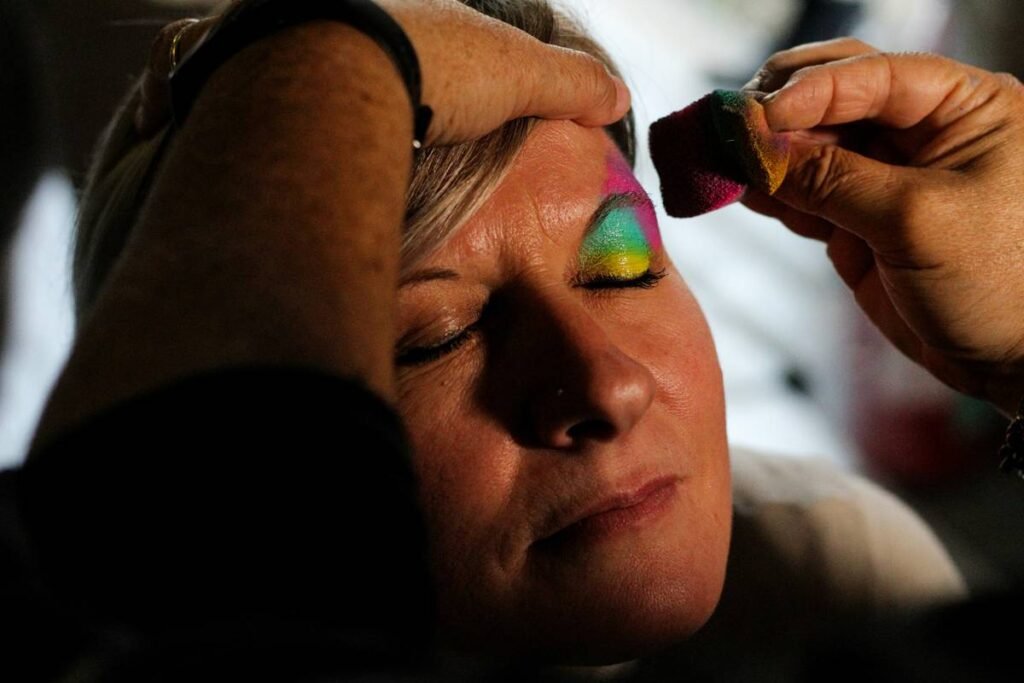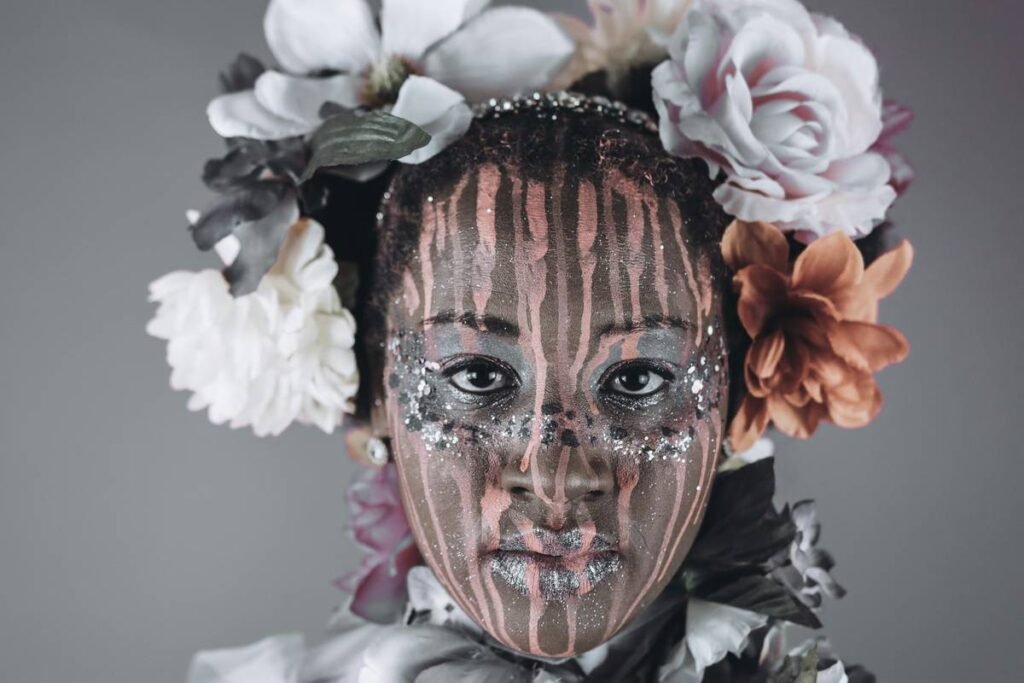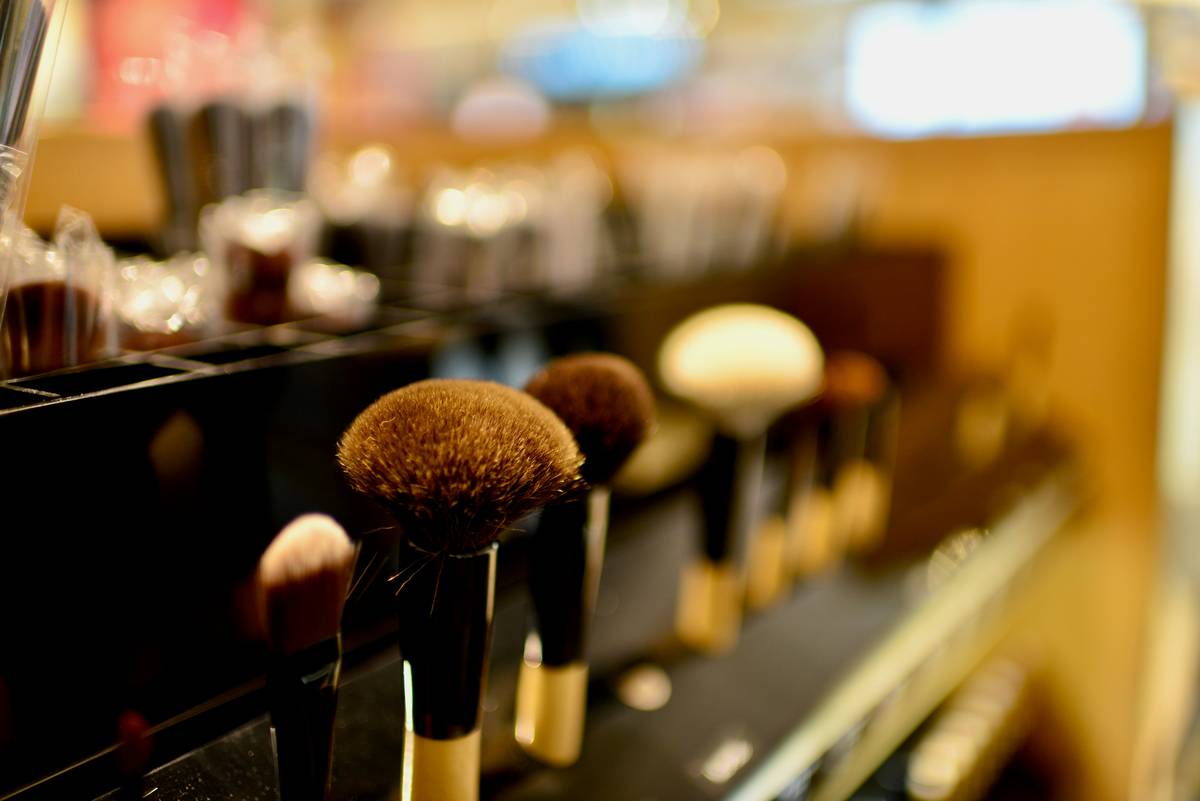
Ever watched a runway show and thought, “How do they make glitter look like shattered glass on skin—or turn eyeliner into liquid architecture?” You’re not just seeing fashion. You’re witnessing the work of trend-setting makeup artists who don’t follow trends—they invent them.
In this post, you’ll discover the creative minds redefining runway makeup, how their techniques translate to real life, and why their influence matters far beyond Fashion Week. We’ll unpack their signature styles, decode their product choices, and reveal how you can adapt high-concept artistry for everyday wear—without needing backstage access or a $500 palette.
Table of Contents
- Why Do Trend-Setting Makeup Artists Actually Matter?
- How to Spot a True Trend-Setter (vs. Just Another Influencer)
- Runway Techniques You Can Actually Use IRL
- 3 Case Studies: Artists Who Changed the Game
- FAQs About Trend-Setting Makeup Artists
Key Takeaways
- Trend-setting makeup artists drive global beauty innovation—not social media virality alone.
- Look for intentional disruption: bold color theory, texture experimentation, and narrative-driven looks.
- Pat McGrath, Isamaya Ffrench, and Hung Vanngo are reshaping aesthetics with wearable avant-garde techniques.
- You don’t need pro kits—just smart adaptation of contouring, pigment layering, and strategic minimalism.
- Runway makeup isn’t about perfection; it’s about storytelling through skin, light, and shadow.
Why Do Trend-Setting Makeup Artists Actually Matter?
Let’s be real: most “viral” makeup looks last as long as a TikTok trend—about 72 hours. But runway makeup? That echoes for seasons. Even years.
According to WGSN’s 2023 Beauty Forecast Report, over 68% of consumer makeup trends originate from high-fashion shows, where lead artists experiment with texture, tone, and technique long before Sephora shelves catch up. These aren’t just stylists slapping on blush—they’re visual narrators using the face as canvas.
Take the 2024 Schiaparelli show: faces painted in trompe-l’oeil gold tears. Haunting? Yes. Wearable at brunch? Not quite. But within months, gilded inner-corner highlighters exploded across Instagram. Coincidence? Hardly.
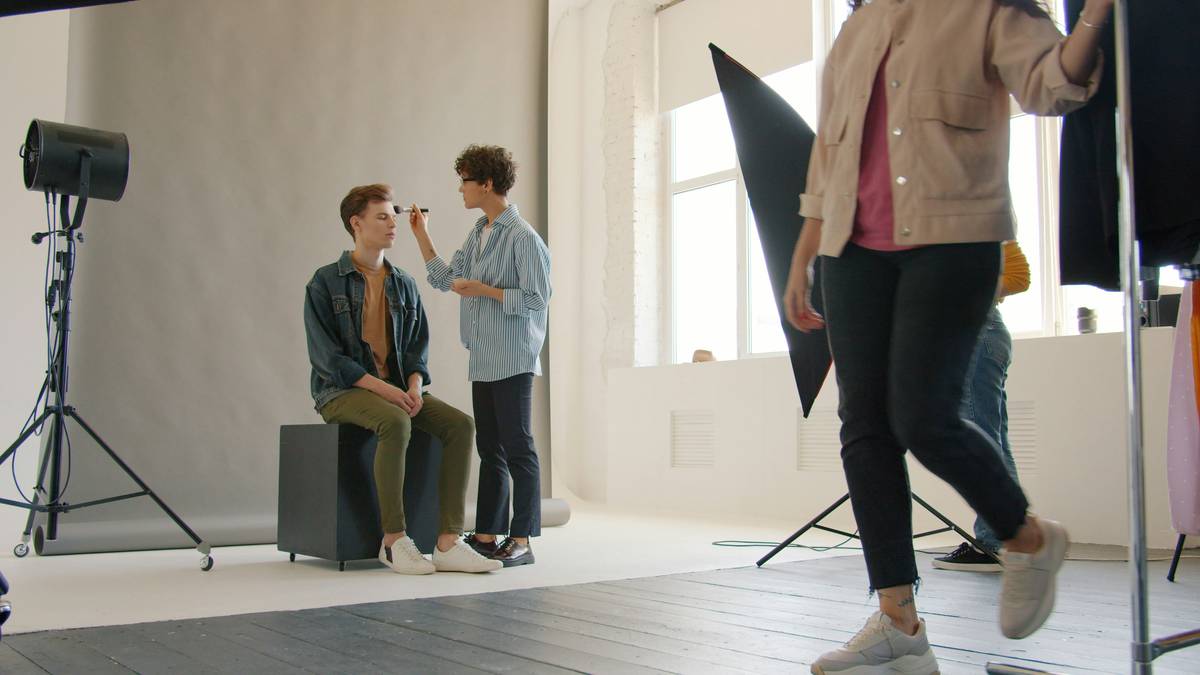
Grumpy You: “Great, so I need to watch Paris Fashion Week to keep up?”
Optimist You: “No—but paying attention to who’s behind those shows? Chef’s kiss.”
How to Spot a True Trend-Setter (vs. Just Another Influencer)
Not every artist with 1M followers is shaping beauty’s future. Real trend-setters share three traits:
Do They Invent New Visual Languages?
Isamaya Ffrench didn’t just do “glitter eyes” for Burberry SS23—she fused bio-resin textures with pearlescent pigments to mimic insect wings. That’s not aesthetic; it’s alchemy.
Are Brands Building Formulas Around Their Requests?
Pat McGrath famously told MAC, “I need a black that’s not flat—it needs dimension.” Result? The iconic MatteTrance Black Moon lipstick, now a cult staple. When labs reformulate because of one artist’s demand—that’s authority.
Do Other Pros Copy Their Signature Moves?
If you’ve seen “floating crease” eyeshadow lately, thank Hung Vanngo. His work for Givenchy blurred lid boundaries into ethereal gradients. Now it’s everywhere—from NYX tutorials to Kim K’s glam squad.
Confessional Fail: I once assumed a viral “dewy glazed donut skin” trend was Gen Z-born. Turns out, it traces back to Tom Pecheux’s 2017 YSL show. My bad—I skipped the credits.
Runway Techniques You Can Actually Use IRL
You don’t need backstage lighting or retouchers. Here’s how to steal the pros’ playbook:
1. Strategic Minimalism (Less Is Loud)
For JW Anderson AW24, Lucia Pieroni used only concealer and clear brow gel—no foundation, no powder. Skin looked “lived-in,” not airbrushed. Try it: skip base makeup one day. Let freckles, texture, and slight redness tell your story.
2. Pigment Layering Over Blending
Stop blending everything into oblivion. Trend-setting artists stack sheer washes—like watercolor. Use a damp sponge to press cream blush under foundation for lit-from-within depth (a Val Garland signature).
3. Texture Contrast = Instant Edge
Matte lips with glossy lids? Done. But try matte brows against wet-look cheeks (see: Peter Philips at Dior). It creates tactile tension—your face becomes a sensory experience.
Terrible Tip Disclaimer: Avoid “just add glitter” as your go-to edgy move. Glitter without intention looks messy, not modern. Ask: “What story does this sparkle tell?” If the answer’s “I ran out of ideas,” skip it.
3 Case Studies: Artists Who Changed the Game
PAT McGRATH – The Architect of Modern Glamour
With 100+ Vogue covers and her own billion-dollar brand, McGrath redefined luxury makeup. Her secret? Treating pigment like fabric. At Prada SS24, she layered metallic foils like haute couture draping—creating dimension through reflection, not contour.
ISAMAYA FFRENCH – The Biomechanical Visionary
Formerly at Byredo Beauty, Ffrench merges biology and beauty. Her Balenciaga FW23 show featured models with “crystallized” tear ducts using medical-grade adhesives and iridescent mica. Disturbing? Maybe. Unforgettable? Absolutely. And yes—drugstore duochromes now mimic her effects.
HUNG VANNGO – The Master of Emotional Neutrality
Known for clean, emotionally resonant skin, Vanngo strips away excess. His work for Calvin Klein often features bare brows, diffused lip stains, and zero eyeliner—yet feels deeply intentional. Why? He focuses on negative space. Sometimes what you *don’t* apply speaks loudest.
Rant Section: Can we stop calling every smudged eyeliner “editorial”? Editorial implies narrative cohesion—not accidental raccoon eyes from crying during your commute. Respect the craft, people.
FAQs About Trend-Setting Makeup Artists
Who is considered the most influential trend-setting makeup artist right now?
Pat McGrath holds enduring influence, but Isamaya Ffrench is the disruptive force defining the next decade. Both blend technical mastery with conceptual bravery.
How do runway makeup trends become mainstream?
Beauty brands monitor shows via trend-forecasting agencies (like WGSN or Trendstop). Within 6 months, you’ll see derivative formulas hit mass markets—e.g., Ffrench’s “liquid metal” eyes inspired Fenty’s Diamond Bomb in chrome finishes.
Can amateurs replicate these looks?
Absolutely—but focus on principles, not precision. Want Vanngo’s “skin first” approach? Hydrate aggressively, use skin tints instead of full coverage, and skip heavy powder. The goal isn’t duplication; it’s inspiration.
Do trend-setting artists use special products?
Sometimes—but often, it’s technique. McGrath built her empire using drugstore white eyeliner as a base for vivid colors. Innovation > expensive kits.
Conclusion
Trend-setting makeup artists aren’t just backstage magicians—they’re cultural seismographs, translating emotion, technology, and rebellion through the language of color and contour. Whether it’s McGrath’s opulent pigments, Ffrench’s biological surrealism, or Vanngo’s poetic restraint, their work teaches us that makeup isn’t about masking—it’s about meaning.
So next time you swipe on blush or line your lids, ask: “Am I copying… or creating?” Because the real trend begins when you stop following—and start feeling.
Like a Tamagotchi, your artistry needs daily care—and occasional glitter emergencies.