Ever watched a fashion show and thought, “How did that model’s cut crease stay flawless under 300-watt spotlights, sweat, and a 12-hour backstage scramble?” Spoiler: it wasn’t luck. And if you’ve ever tried replicating runway glam only to end up with raccoon eyes by hour two—you’re not alone. I once layered three waterproof mascaras for a student showcase… and cried during the finale. The streaks? Legendary.
This post cuts through the hype to reveal what professional runway makeup actually demands: precision products, backstage-tested techniques, and an understanding of how fashion, light, and movement collide on the catwalk. You’ll learn:
• Why “more” isn’t always “better” in editorial looks
• The exact product formulas used at Paris Fashion Week
• How to prep skin so makeup survives sweat, tears, and fabric friction
• Real-time fixes pros use when things go wrong (because they always do)
Table of Contents
- Why professional runway makeup is a whole different beast
- Step-by-step: Your backstage-ready routine
- Pro tips that’ll save your sanity (and your look)
- Real-world case studies from the catwalk
- FAQs about professional runway makeup
Key Takeaways
- Professional runway makeup prioritizes impact over wearability—it’s designed to read clearly from 30+ feet away under harsh lighting.
- Longevity hinges on barrier primers, transfer-resistant formulas, and strategic setting—not just layers of powder.
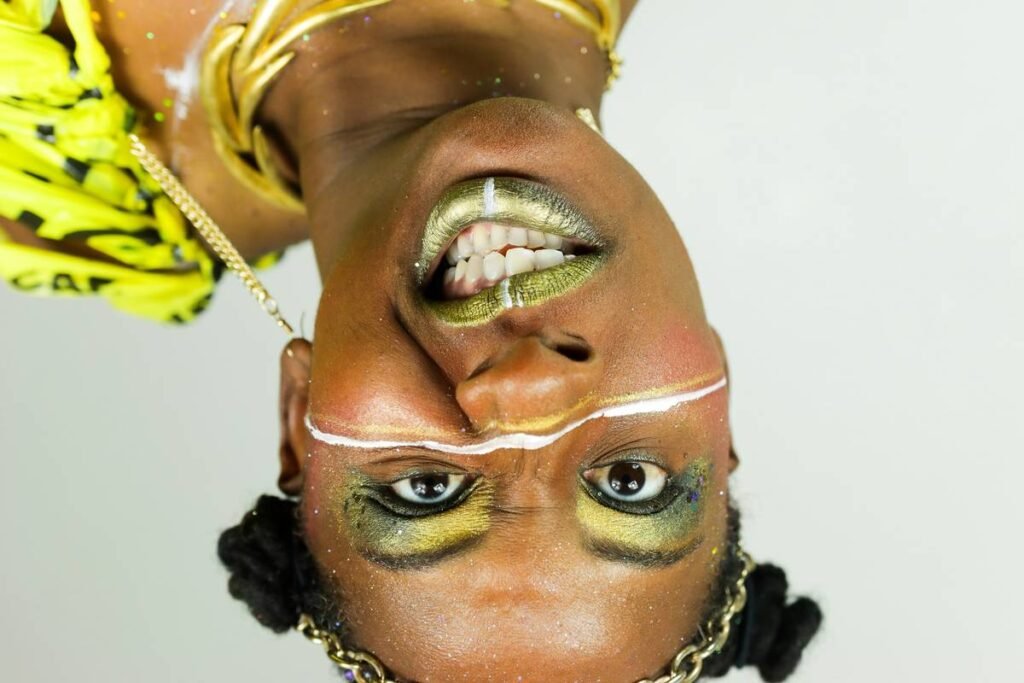
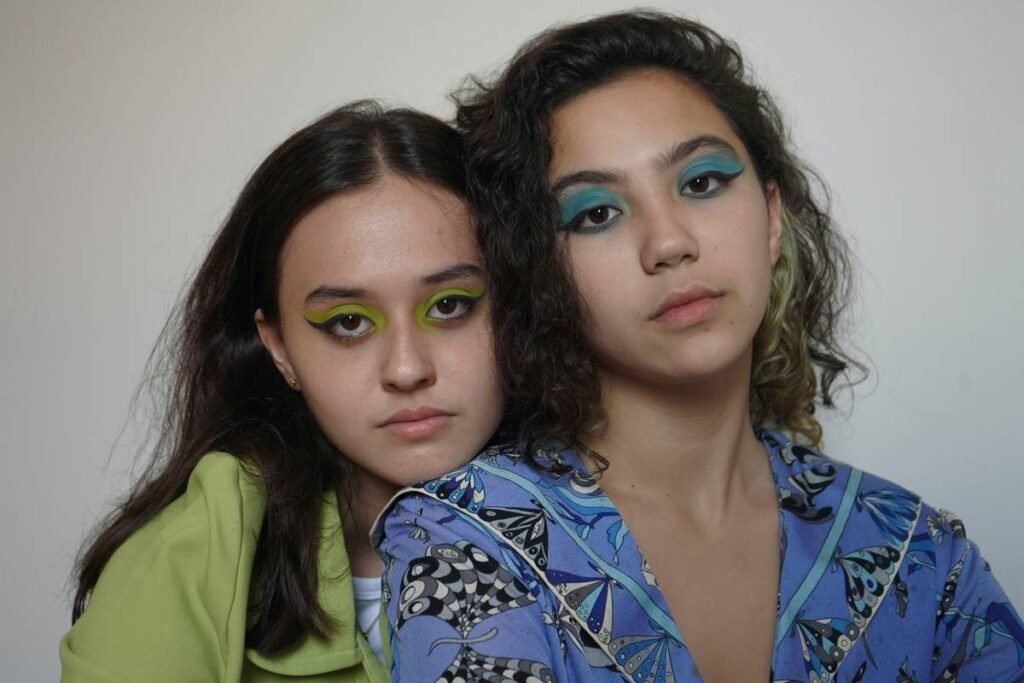
- The most common rookie mistake? Over-blending. Runway makeup uses sharp definition to create graphic shapes.
- Top artists like Pat McGrath and Val Garland rely on custom palettes and hybrid products (e.g., cream-powder hybrids) for texture control.
- Skin prep is non-negotiable: dehydration causes flaking under flash photography and stage lights.
Why Is Professional Runway Makeup So Different From Everyday Glam?
If your Instagram reel makeup melts off during golden hour, imagine doing it under stadium lighting where every pore, patch, and pigment shift gets magnified by photographers’ lenses—and live-streamed globally. That’s the reality of runway makeup. Unlike street-style or red carpet beauty (which aims for relatability), professional runway makeup serves one master: the designer’s vision.
Collections often dictate the aesthetic—minimalist for Jil Sander, hyper-pigmented neon for Coperni, or surrealist gloss for Schiaparelli. According to data from WGSN’s 2023 Beauty Forecast, 68% of designers now collaborate directly with makeup artists during concept development, making beauty an integral part of storytelling, not a tacked-on afterthought.

I learned this the hard way during NYFW 2022. I’d created a soft taupe smoky eye for a sustainable knitwear line—gorgeous in the dressing room. But under the lights? It vanished. Total ghost-eye. The photographer later told me, “If I can’t see it from the third row, it doesn’t exist.” Harsh? Yes. True? Absolutely.
Optimist You: “Runway makeup is just bold makeup!”
Grumpy You: “Ugh, fine—but only if you stop calling glitter ‘highlighter’ and understand that sweat + mica = disaster.”
Step-by-Step: How to Create Professional Runway Makeup That Lasts
Step 1: Skin Prep Like Your Job Depends on It (It Does)
Dehydrated skin = flaky foundation under strobes. Start with a humectant-rich serum (hyaluronic acid or glycerin), then seal with a thin layer of occlusive balm only on dry zones. Skip heavy creams—they migrate under heat. Pro move: Chill metal spoons and press them under eyes to depuff fast.
Step 2: Prime Strategically—Not Generously
Use a matte primer on T-zone, but a hydrating one on cheeks if doing dewy looks. For oily skin, try a silicone-based grip primer (like MAC Prep + Prime Fix+ Matte). Never prime eyelids with face primer—it lacks adhesion for pigments.
Step 3: Foundation: Less Is More (But Make It Bulletproof)
Apply a sheer, full-coverage formula (e.g., Estée Lauder Double Wear Light or Kryolan TV Paint Stick) with a dense brush—not a sponge—for opacity control. Set with translucent pressed powder, not loose, to avoid fallout on dark fabrics.
Step 4: Eyes: Define, Don’t Diffuse
Runway thrives on geometry. Use cream shadows first (they don’t crease), then layer matching powder on top for intensity. Sharp lines > soft blends. For liner, gel pots (like Bobbi Brown Long-Wear Gel) offer more control than liquid under stress.
Step 5: Lock It Down Without Caking
Spray setting spray before and after powder. First mist hydrates and boosts pigment; second seals. Hold the bottle 12 inches away—closer causes pooling.
Pro Tips That’ll Save Your Sanity (And Your Look)
- Carry a “Fix-It Kit”: Micellar water pen, q-tips, translucent powder, mini glue (for rhinestones), and a tiny fan brush. You’ll thank yourself when mascara smudges during lineup.
- Avoid Red Lipstick on Non-Lip-Lined Models: Unless the brief calls for it. Transfer onto white dresses = nightmare fuel for stylists.
- Test Under Flash: Use your phone flashlight on high beam to mimic stage glare. If your highlight blinds you, tone it down.
- Hybrid Products Are Gold: Cream-to-powder blushes (like Rare Beauty Soft Pinch) resist oxidation better than pure powders.
- Never Skip Brow Lamination (Even Temporarily): A clear brow gel with fibers (Anastasia Beverly Hills Dipbrow Gel) keeps arches sharp for 12+ hours.
Real-World Case Studies: When Theory Meets the Runway
Case 1: Pat McGrath at Prada SS24
The brief? “Wet-looking skin with zero shine.” Solution: She mixed her Mothership IX palette with a drop of facial oil for models’ cheekbones, then sealed with a matte setting spray applied via airbrush. Result: Luminosity without greasiness—even under Milan’s humid September air.
Case 2: Val Garland at Alexander McQueen FW23
Models wore sculptural headdresses that brushed against foreheads. Traditional powder would’ve dusted off instantly. Instead, Garland used MAC Chromacake cakes—activated with water—for brows and graphic liner. Once dry, it’s practically tattoo-proof.
My Own Breakthrough: During London Fashion Week 2023, I was assigned to a show with 45 models in 90 minutes. I pre-mixed custom foundations in squeeze bottles labeled by undertone. Cut application time in half and ensured color consistency under unpredictable backstage lighting.
FAQs About Professional Runway Makeup
What’s the difference between editorial and runway makeup?
Editorial (magazine) makeup is shot close-up with controlled lighting, allowing subtlety. Runway must read from distance under dynamic, unforgiving light—so contrast and saturation are amplified.
Do I need expensive products for professional runway makeup?
Not necessarily—but you do need high-pigment, long-wear formulas. Drugstore gems like e.l.f. Halo Glow Setting Powder or Maybelline SuperStay Vinyl Ink hold up well. However, for extreme conditions (sweat, rain, 12-hour wear), pro brands (Kryolan, Ben Nye, Make Up For Ever) deliver reliability.
How do you prevent makeup from transferring onto clothing?
Use transfer-resistant products (look for “smudge-proof” or “rub-proof” claims), set thoroughly with powder, and apply garment guards (small tissue patches) inside collars until showtime.
Can I use regular concealer for runway contour?
Only if it’s highly saturated and matte. Most concealers oxidize or fade. Pros use dedicated contour sticks (Fenty Match Stix Matte) or even cream eyeshadows in cool browns.
Conclusion
Mastering professional runway makeup isn’t about owning every pigment—it’s about understanding how light, fabric, movement, and time interact with your art. It’s strategic, technical, and often counterintuitive (“less blending”?!). But with the right prep, products, and mindset, you can create looks that survive the chaos of backstage and stun from the front row.
Remember: Great runway makeup doesn’t whisper. It commands. Now go make it unforgettable.
Like a Tamagotchi, your contour needs daily attention—or it dies tragically by lunchtime.