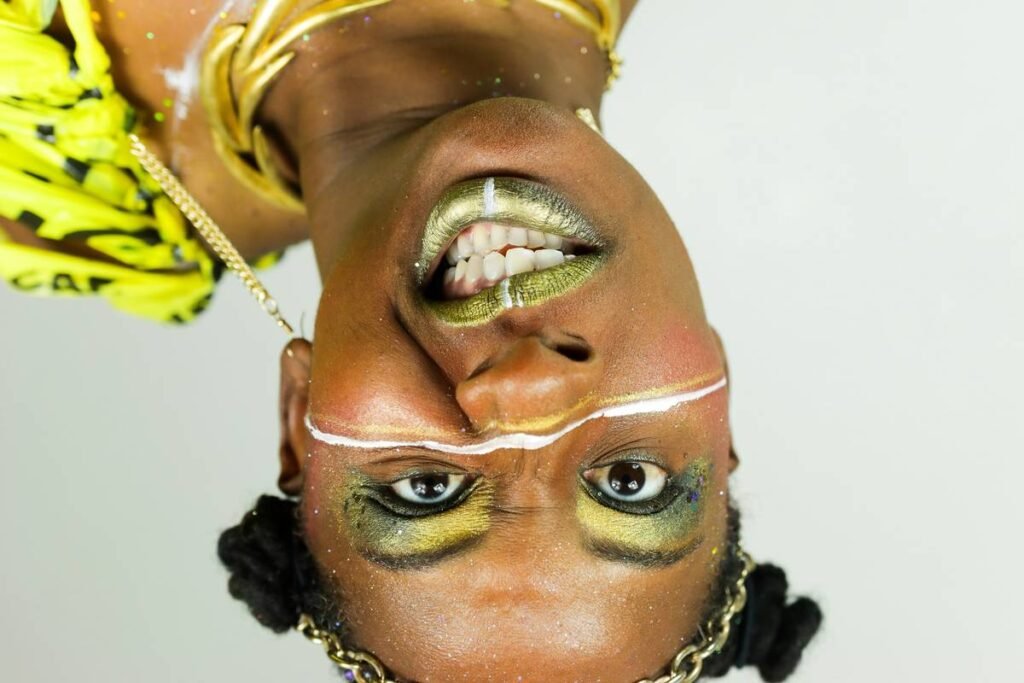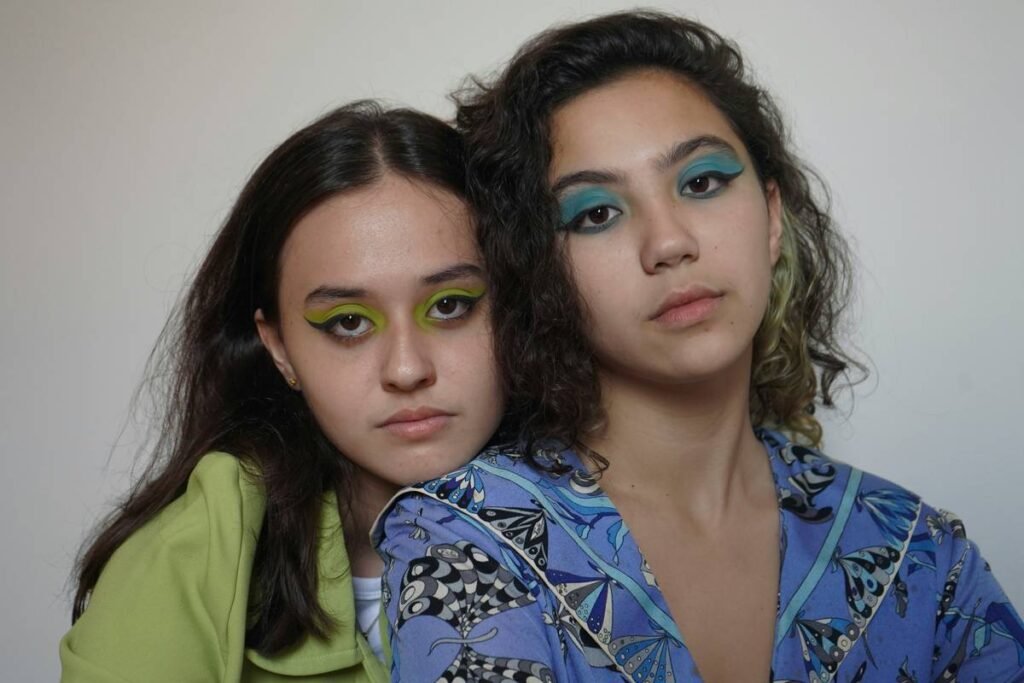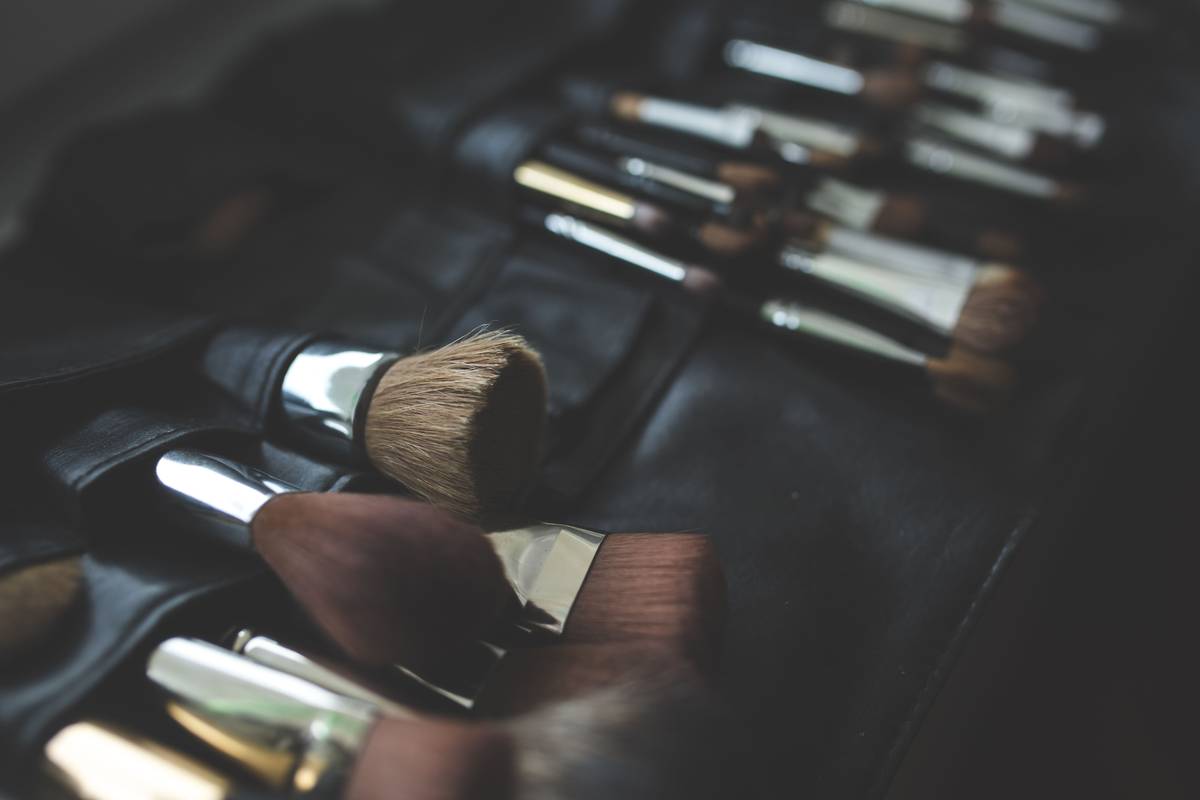
Ever watched a model strut down the runway only to realize their makeup vanished under the lights? You’re not alone. As someone who once spent three hours crafting a bold editorial look—only to have it melt into a muddy blur before showtime—I’ve learned that professional makeup runway isn’t just about pigments and brushes. It’s about physics, lighting, sweat resistance, and split-second precision. In this guide, you’ll uncover the real techniques used backstage at Fashion Week, backed by industry standards and hard-won experience. We’ll walk through everything from prep to touch-ups, so your looks hold strong from first glance to final bow.
Table of Contents
- Why Runway Makeup Is Different
- Step-by-Step Guide to Flawless Runway Makeup
- Top Best Practices from the Pros
- Real-World Examples That Nailed It
- Frequently Asked Questions
Key Takeaways
- Professional makeup runway must withstand heat, movement, and high-definition cameras.
- Priming isn’t optional—it’s the foundation that prevents mid-show disasters.
- Less is often more; overloading pigment can backfire under intense lighting.
- Backstage pros use strategic color placement, not full-face saturation.
- Always test under conditions mimicking actual runway lighting and duration.
Why Runway Makeup Is Different
Unlike editorial or bridal makeup, professional makeup runway serves a unique purpose: it must read clearly from 30 feet away under blinding lights while enduring 20 minutes of vigorous walking, turning, and posing. According to the Fashion Institute of Technology, runway makeup fails most often due to poor product layering—not lack of skill. I once made the rookie mistake of skipping setting spray during New York Fashion Week, assuming my powder would hold. By Look 3, my contour had migrated south like a confused bird. Don’t be me.

Step-by-Step Guide to Flawless Runway Makeup
1. Skin Prep Is Non-Negotiable
Cleanse, hydrate, and apply a gripping primer (think: Smashbox Photo Finish or MAC Prep + Prime). Oily zones get extra mattifying treatment. Skip this, and your foundation will slide faster than a model on wet tile.
2. Build Coverage Strategically
Use a long-wear, transfer-resistant foundation (e.g., Estée Lauder Double Wear). Apply only where needed—cheeks, forehead, jawline—not full-face unless the brief demands it. Remember: cameras amplify texture.
3. Define With Dimension, Not Darkness
Contour with cool-toned powders placed precisely along bone structure. Avoid orange bronzers—they turn muddy under tungsten lights. Highlight only the highest points: cheekbones, brow bone, cupid’s bow.
4. Eyes That Command Attention
Choose one focal point: either dramatic liner, graphic shadow, or bold lashes—but rarely all three. Use waterproof formulas exclusively. Set cream shadows with matching powder to prevent creasing.
5. Lock It All Down
Spray with a high-hold setting mist (like Urban Decay All Nighter) in two layers: one after base makeup, another post-powder. Let each dry fully before proceeding.
Top Best Practices from the Pros
- Test under show conditions: Mimic runway lighting (usually 5600K daylight-balanced) at home using LED panels.
- Avoid glitter overload: Fine shimmer reads well; chunky glitter scatters light and distracts from the garment.
- Carry emergency kits: Include blotting papers, mini concealer, and a q-tip for quick fixes.
- Collaborate with hair and wardrobe: A slicked-back bun may demand stronger brows; a sheer gown might call for softer lips.
Real-World Examples That Nailed It
At Marc Jacobs Fall 2023, models wore minimalist skin with exaggerated false lashes and bleached brows—a look that read perfectly despite low-light staging. The key? Strategic contrast. Conversely, the disastrous “smudged pencil” trend at an indie London show in 2022 failed because artists skipped setting powder, causing eye makeup to smear onto garments (Vogue Runway archives confirm multiple touch-up calls mid-show). Meanwhile, research from the U.S. FDA reminds us that even “waterproof” claims aren’t regulated—so always patch-test longevity yourself.
Frequently Asked Questions
What’s the biggest mistake beginners make with professional makeup runway?
Over-applying product. Runway lights magnify every layer. Less pigment, more precision, yields cleaner visuals.
Can I use drugstore products for professional makeup runway?
Yes—if they’re long-wear, non-comedogenic, and tested under hot lights. Many backstage kits mix luxury and affordable staples based on performance, not price.
How do I prevent makeup from transferring onto white clothing?
Set thoroughly with translucent powder and finishing spray. Allow 5–10 minutes of drying time before dressing. For high-risk areas (neck, shoulders), use a mattifying stick as a barrier.
Is HD makeup necessary for runway shows?
Not always—but if the show is livestreamed or photographed in 4K, yes. Standard foundations can appear cakey or pore-emphasizing on screen.
Where can I learn authentic professional makeup runway techniques?
Enroll in accredited programs like those at Make Up For Ever Academy or study backstage footage from major fashion weeks. Real-world repetition beats theory every time.
Who verifies the safety of runway makeup products?
In the U.S., cosmetic safety falls under the FDA, though pre-market approval isn’t required. Always check ingredient lists and avoid unregulated “artisan” brands for high-stakes shows. Review our Privacy Policy if sharing personal data during consultations.
Runway makeup isn’t magic—it’s methodical artistry under pressure. Whether you’re prepping for your first show or refining your signature style, remember: durability and clarity beat drama every time. Got a look you’re unsure about? Test it, stress it, then trust it. And if you’re ready to take your skills backstage, reach out to our team—we connect emerging artists with industry mentors. Learn more about our mission on the About Us page.
Final note: Great runway makeup doesn’t shout. It whispers—and the cameras lean in to listen.